
How Asian Girls Ignite Builds Leadership Through Peer Mentorship
At Asian Girls Ignite events, leadership often shows up in small, everyday moments.
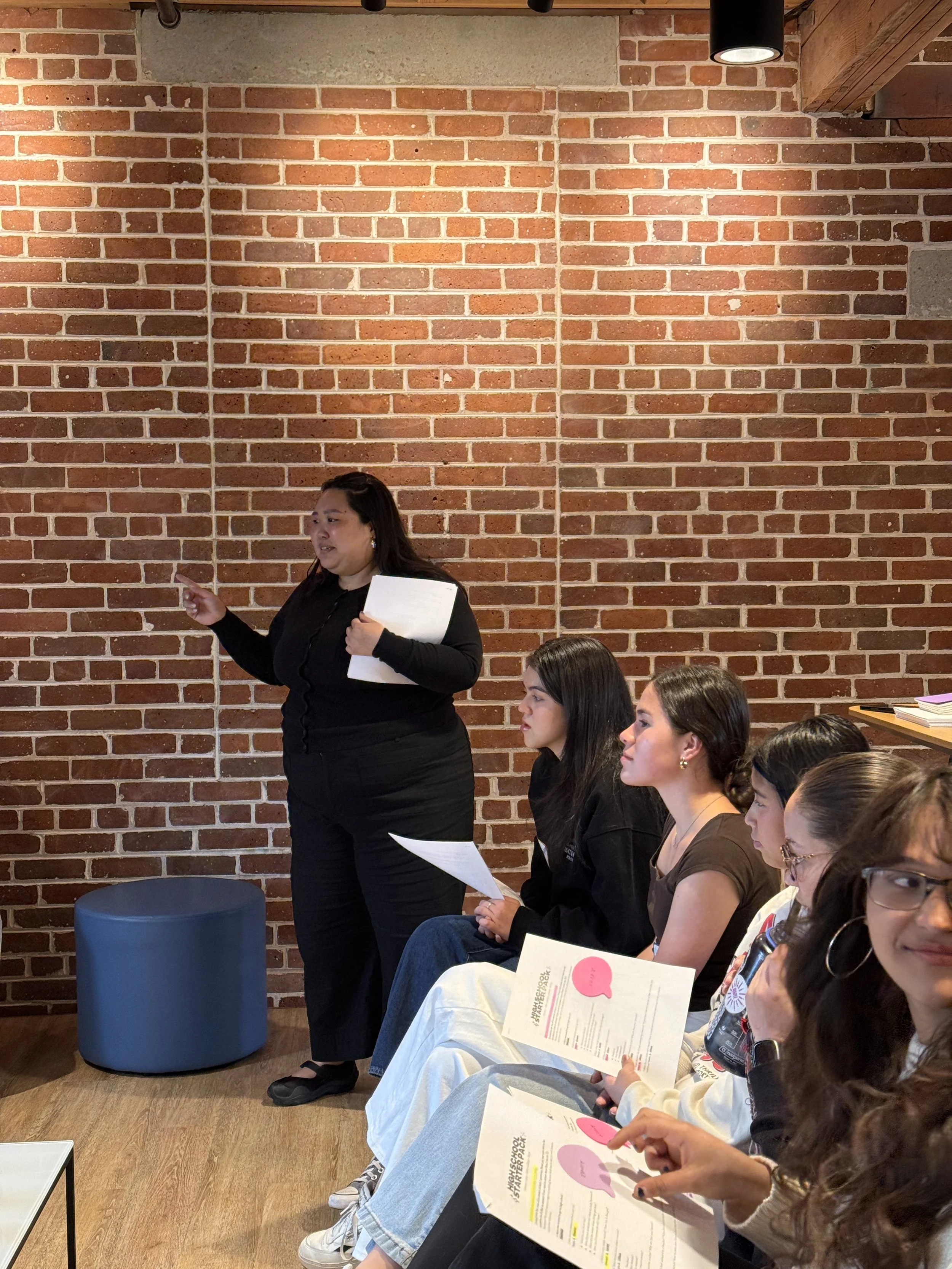
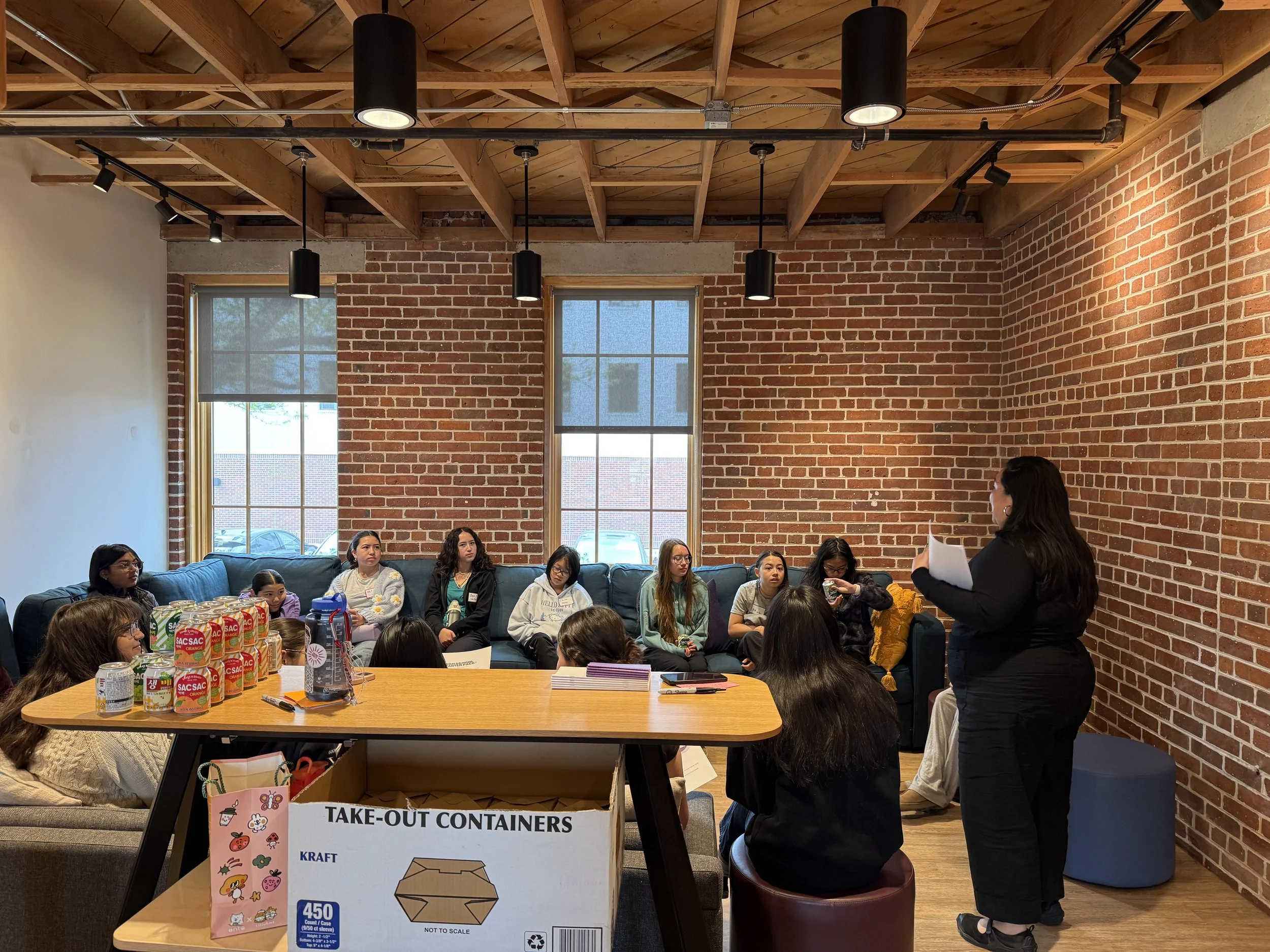
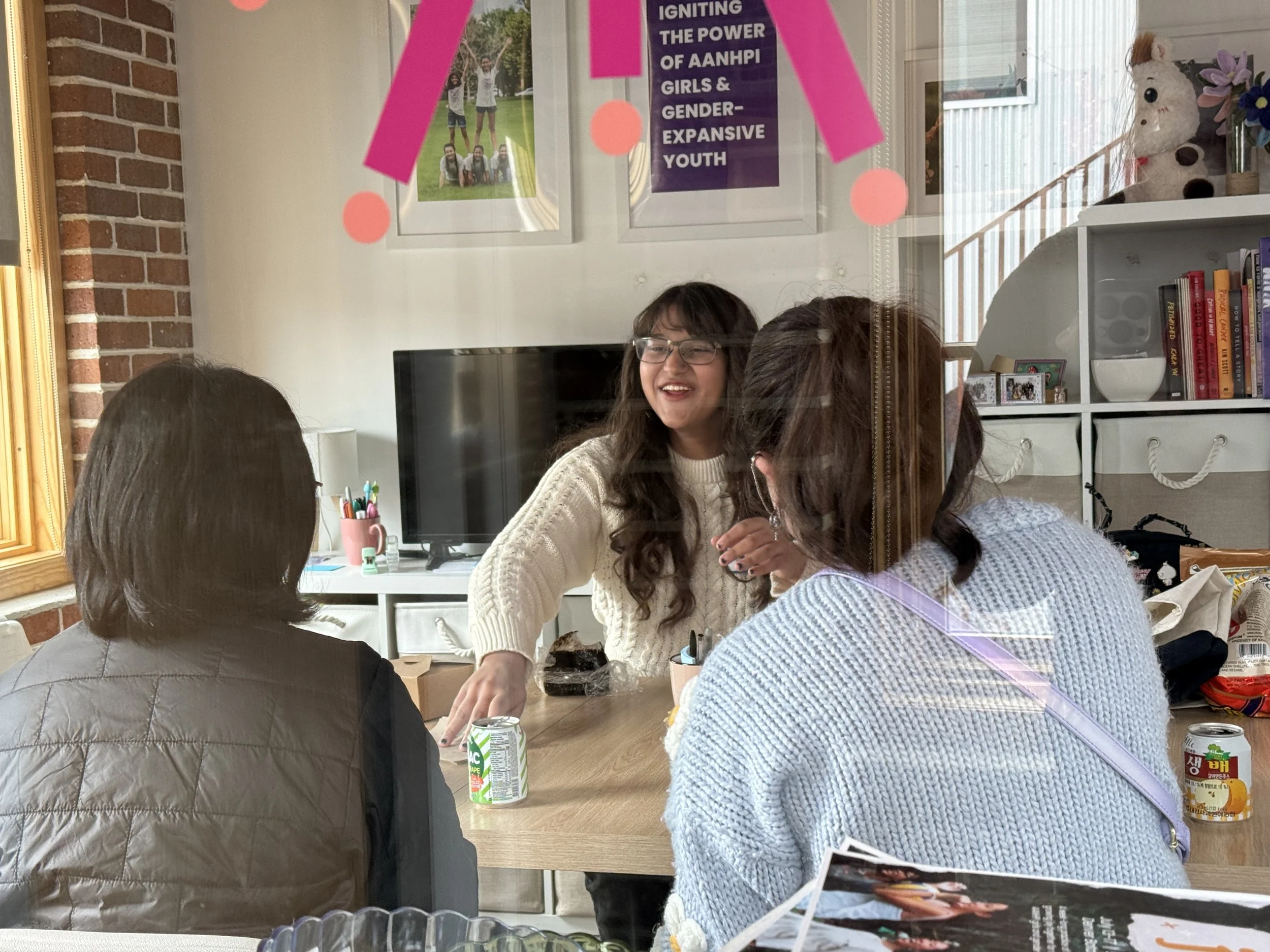
At our recent High School Starter Pack event in Denver, AANHPI and gender-expansive youth from grades 6–12 came together for exactly this kind of exchange—unfiltered conversations, thoughtful reflections, and deeply rooted in care. Instead of a workshop or lecture, the space felt like a conversation with an older sibling, open, honest, and easy to step into.
Leading with Authenticity
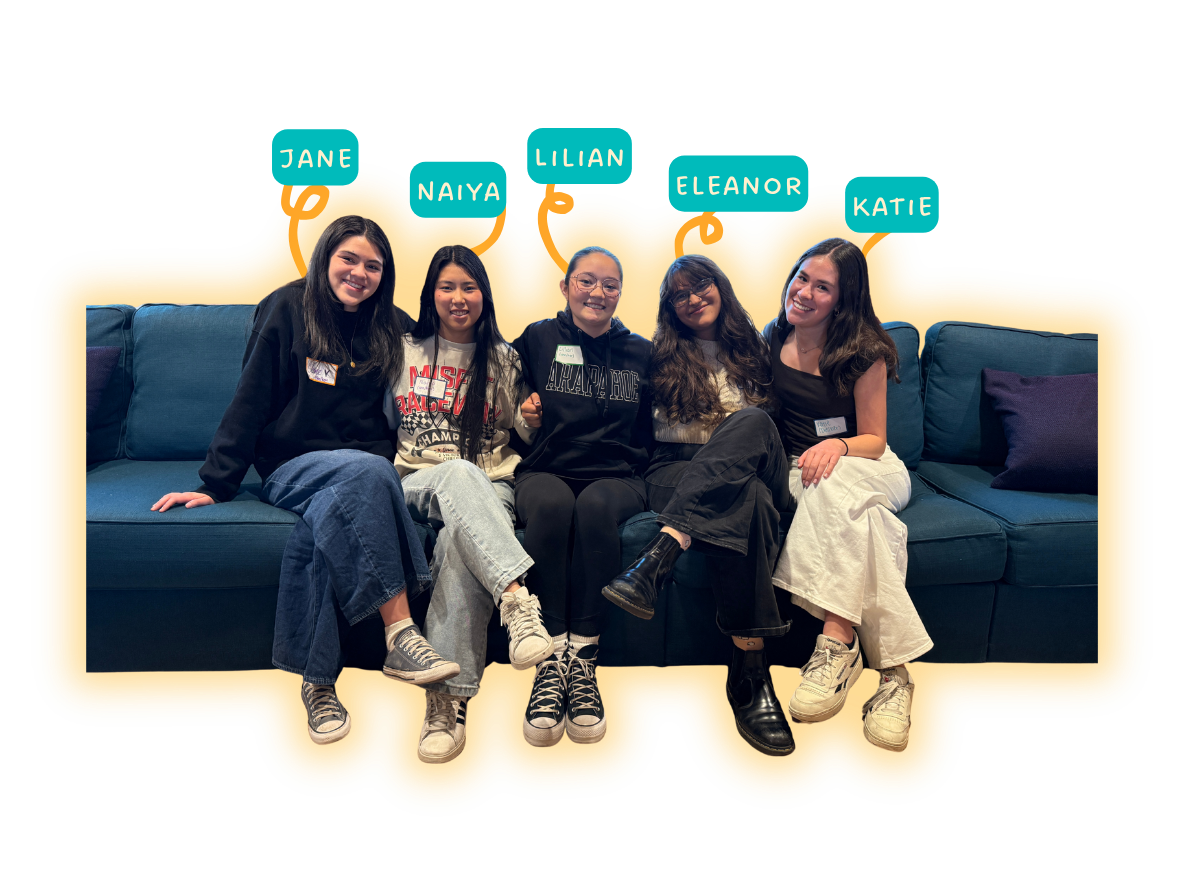
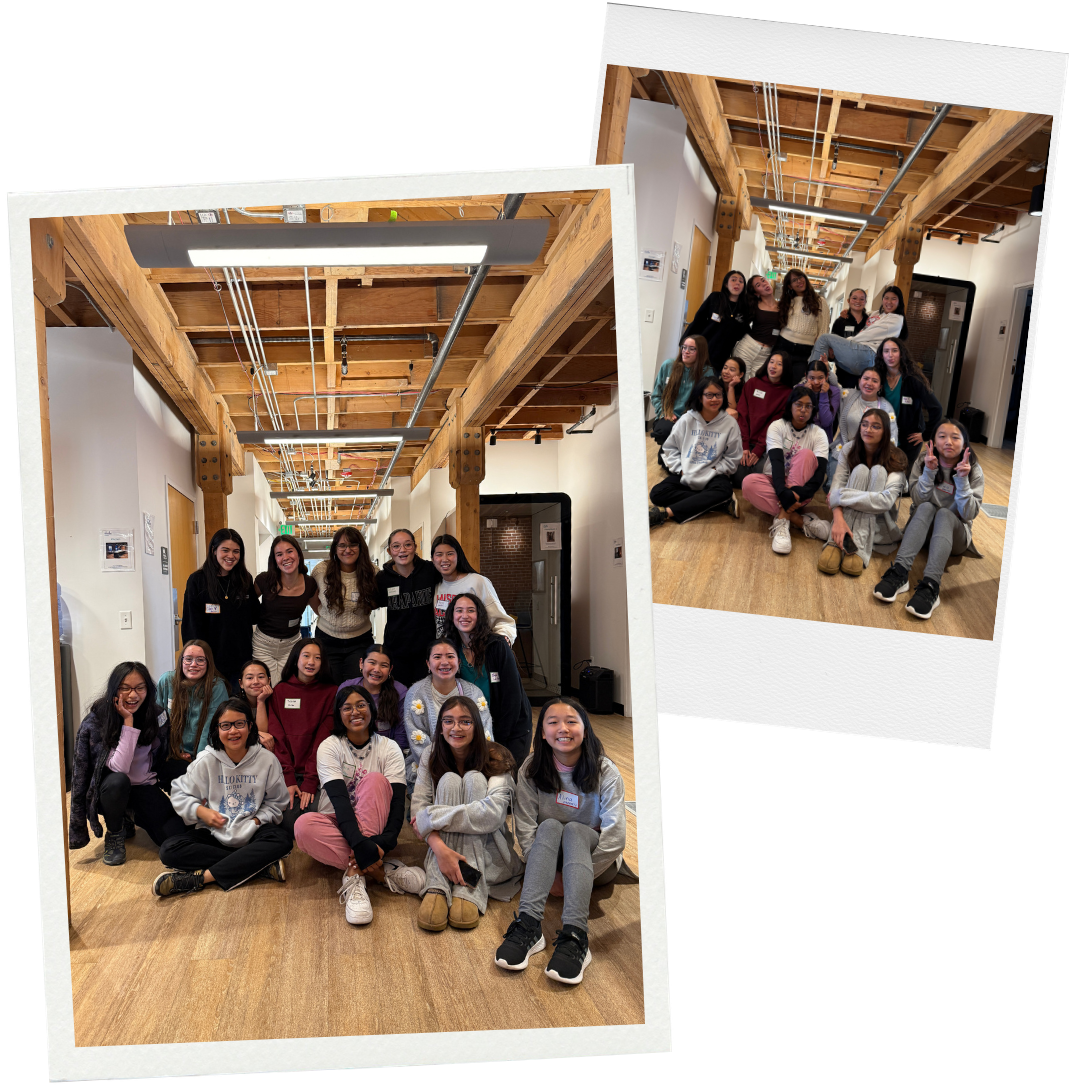
Five of our high school mentors and Youth Leadership Collective members—Eleanor (they/she), Jane (she/her), Katie (she/her), Lillian (she/her), and Naiya (she/her)—stepped into leadership not by presenting polished versions of themselves, but by sharing their real experiences.
They talked about what it actually feels like to enter high school—the excitement, the pressure, and the uncertainty. They answered questions about friendships, academics, family expectations, and building habits that work for you.
When middle schoolers asked how to manage their time, Jane shared the Pomodoro method she uses to stay focused, along with something just as important: taking breaks, eating snacks, and giving yourself room to breathe.
When questions about classes came up, Eleanor encouraged students to think about readiness over reputation. Honors and AP classes aren’t about proving your capabilities to others or to yourself—they’re about finding a balance between challenge and joy.
Katie reminded students that every school is different, and encouraged them to focus on their own experience rather than measuring themselves against friends.
Again and again, the message was clear: you don’t have to figure everything out on the first day of high school. Give yourself time to learn what works best for you.
Practicing Advocacy Early
Some of the most meaningful moments came when the conversation turned toward self-advocacy.
Naiya and Lillian spoke directly about what it means to use your voice, even when it’s uncomfortable.
They shared how to navigate situations where students feel unheard by teachers or when classroom environments don’t respect their needs. They reminded younger students that their voices are valid, and that advocating for themselves—whether that means speaking up or requesting accommodations—is not only allowed, but necessary to ensure they are getting the experience they deserve.
The high school mentors also emphasized the importance of finding your “anchors”—teachers, counselors, and trusted adults who can support you through the intensity of high school and be someone you can turn to when you need guidance.
For many students, this was a first look at what advocacy can look like in real life—practical, necessary, and something they can start building now.
Building Community, Not Just Friend Groups
“Make community, not just a friend group.”
Eleanor re-iterated how important it was for them to build a community with the same values and interest rather than only finding a friend group to socialize with.
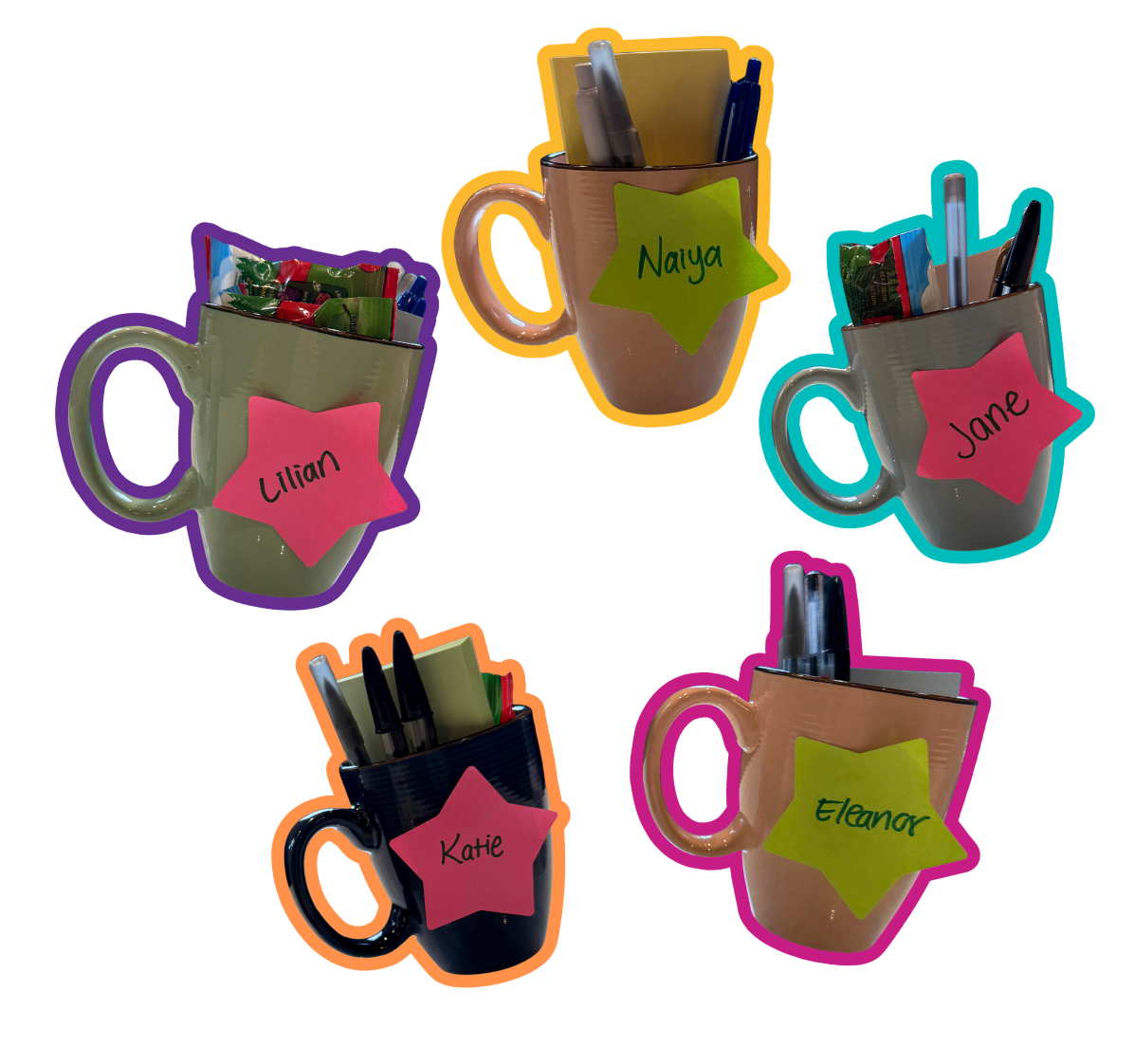
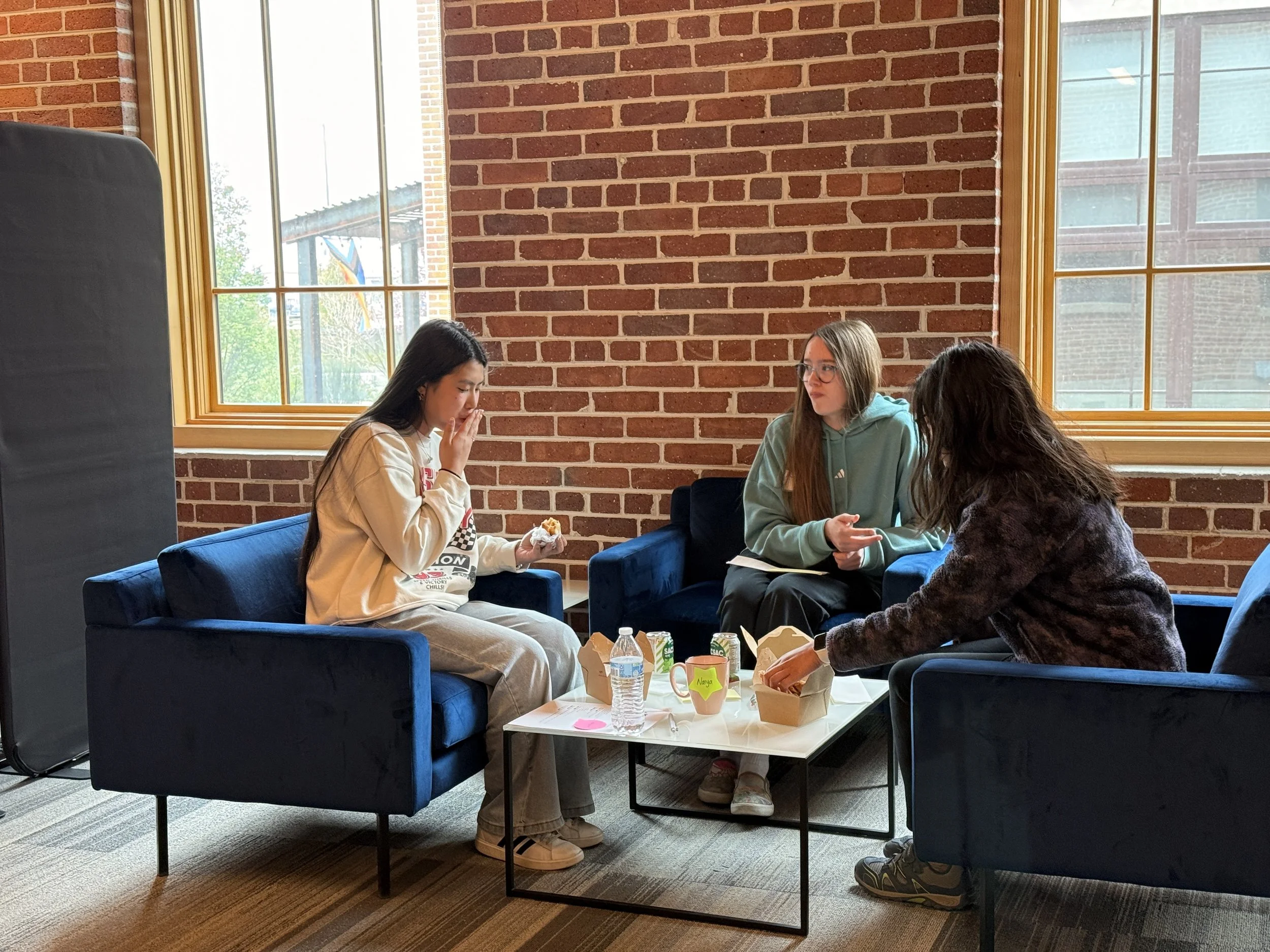
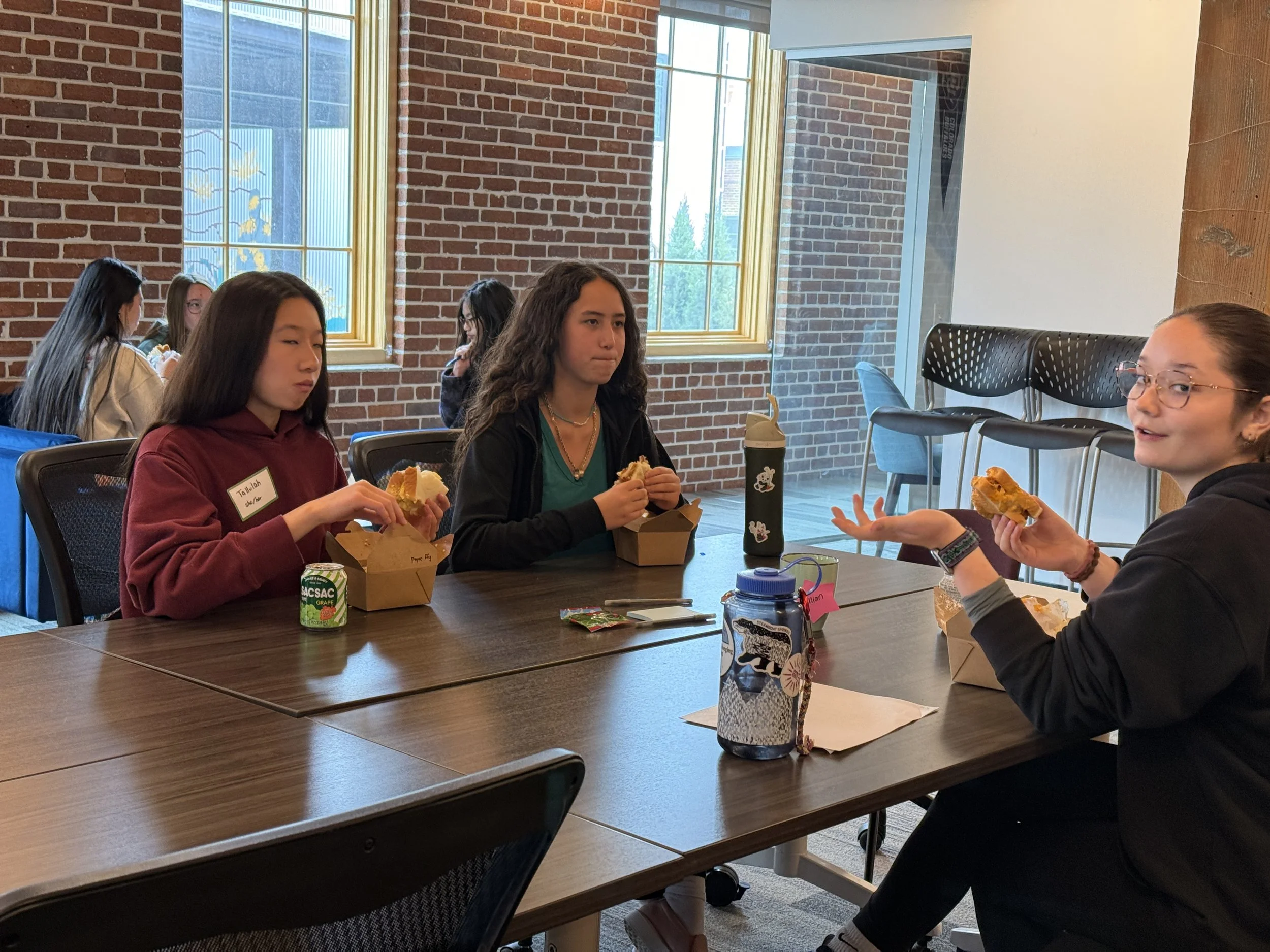
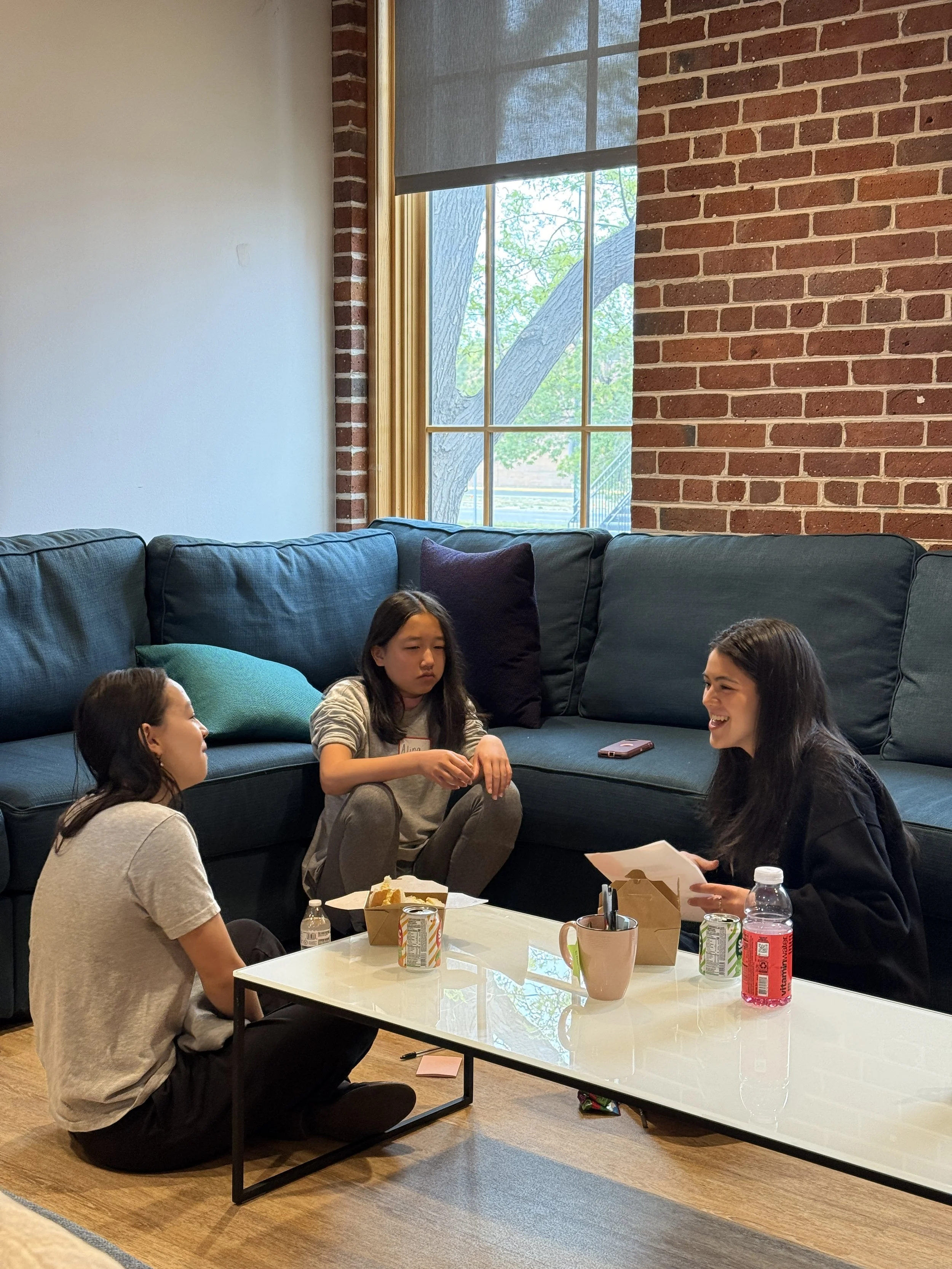
To bring this to life, mentors facilitated an activity called the “Anonymous Cup” as they shared sandos from Onto Coffee for lunch. Students wrote down questions, anything they were curious, nervous, or unsure about, folded them up, and dropped them into their mentor’s cup.
Mentors picked questions at random and answered them out loud, opening the door for honest discussion. Instead of just answering their questions, mentors thoughtfully asked questions back to their mentees, creating a two-way exchange that made everyone feel seen and heard.
The conversations that followed went beyond surface-level advice. Students talked about friendship breakups, shifting identities, and the inevitable split between friend groups as everyone goes into their last two years of school.
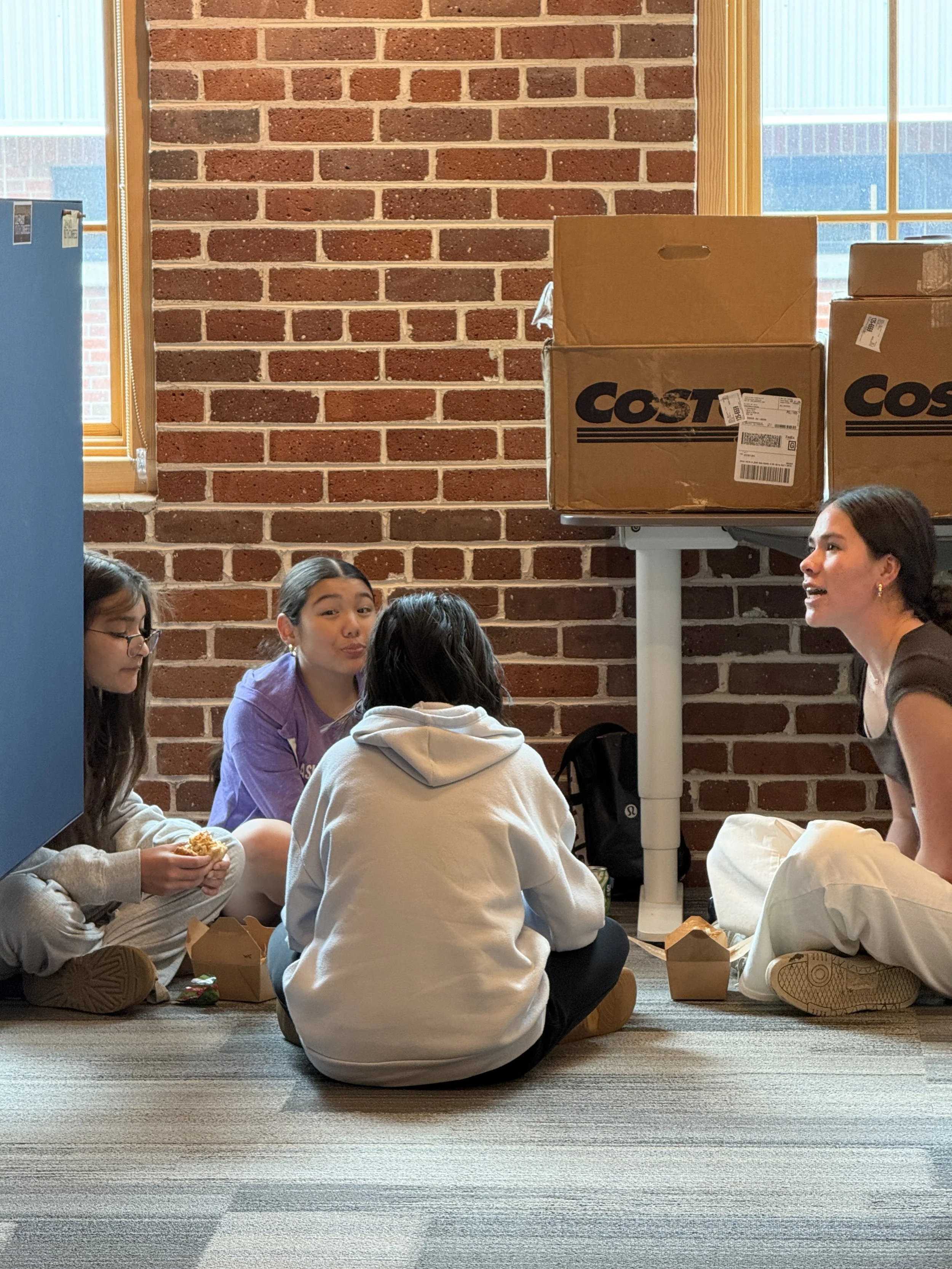
They talked about making friends across grades, joining clubs, and having the courage to say “hi” first.
They talked about what it means to grow, and sometimes, to outgrow.
In that room, the usual boundaries between grades, schools, and social circles started to dissolve. What took shape instead was something more lasting, a shared connection of support that extends beyond a single event.
The Cycle of Leadership
What makes this work so powerful—and so important for our donors and community to see—is that mentorship at AGI is not one-directional.
The same high school students who started in the first cohort of Asian Girls Ignite’s Mentorship Program are now leading the next generation.
They are learning how to communicate clearly, hold space for others, and guide conversations with empathy and confidence. They are developing leadership skills that will carry into college, careers, and their communities.
At the same time, middle school students are gaining something just as valuable: a sense of belonging, practical tools for navigating what’s ahead, and the reassurance that they don’t have to do it alone.
Mentorship is not just about what students learn, it’s about who they become for each other— the anchor they have been looking for!
Stay Connected
If you want to see how mentees become mentors, and how leadership grows from within the community—we invite you to stay connected.
Join our mailing list to receive stories, updates, and future milestones as we continue building the next generation of AANHPI leaders in Colorado: