Setting Our Own Table: Reclaiming the Lunchbox Moment in Colorado
If you’ve grown up as an Asian American Native Hawaiian Pacific Islander (AANHPI) kid in America, chances are you know the specific weight of the "lunchbox moment." It’s that exact instance in a crowded school cafeteria where you open up a meal made with love by your family, only to face the stares, the wrinkled noses, or the cruel comments of peers who don't understand your culture.
This experience is so universal that even cities across the country are tuning in. Take NYC Gov’s viral series, "What’s In My Lunchbox," which celebrates cultural diversity through the lenses of public school students’ lunches. It’s a beautiful, delicious ode to what makes our diverse communities special but it also reminds us of a deeper truth.
For generations, the script handed to us has been to shrink, to hide the food that fuels us, or to try to blend into a room that wasn't built for us. At Asian Girls Ignite, we refuse that script for the next generation of AANHPI girls and gender-expansive youth. On May 16, 2026, we hosted a culinary workshop at the Social Fabric Hub in Centennial as part of our annual AANHPI Heritage Month CelebrAsian.
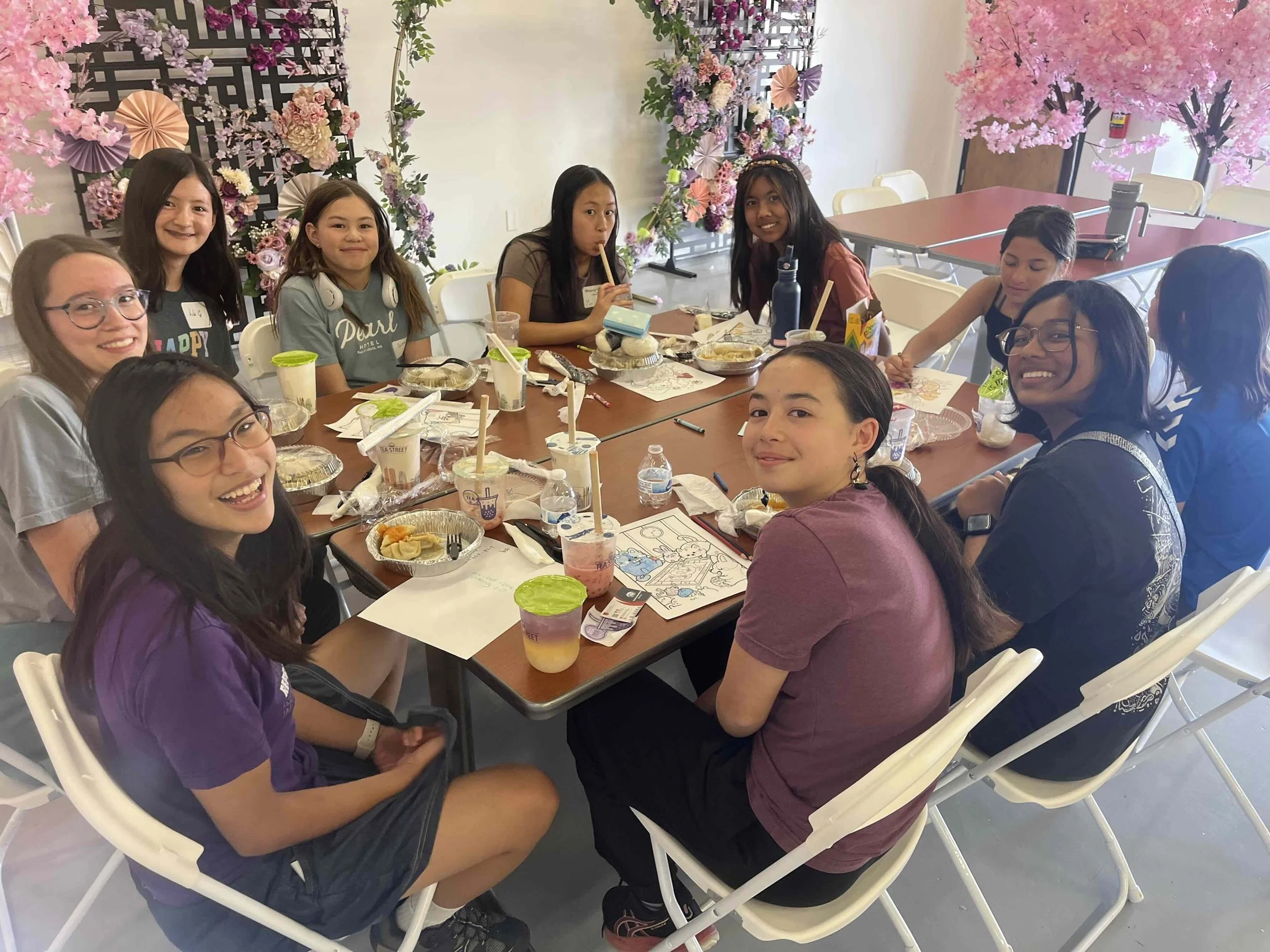
For families looking for intentional, culturally affirming youth programs in Colorado, this event was a living example of what happens when we refuse the old scripts. We didn't gather to ask for inclusion or beg for a seat at someone else's table.
We set our own table.
Our community is made up of over 50 distinct ethnic groups, spanning countless languages, immigration histories, and traditions. We hold space for every single one of those stories. For this workshop, we stepped into a space built for multiple generations and went straight to work learning the craft of these traditional dishes together.
The Art of the Fold, the Wrap, and the Shake: Learning from Local Denver AANHPI Businesses
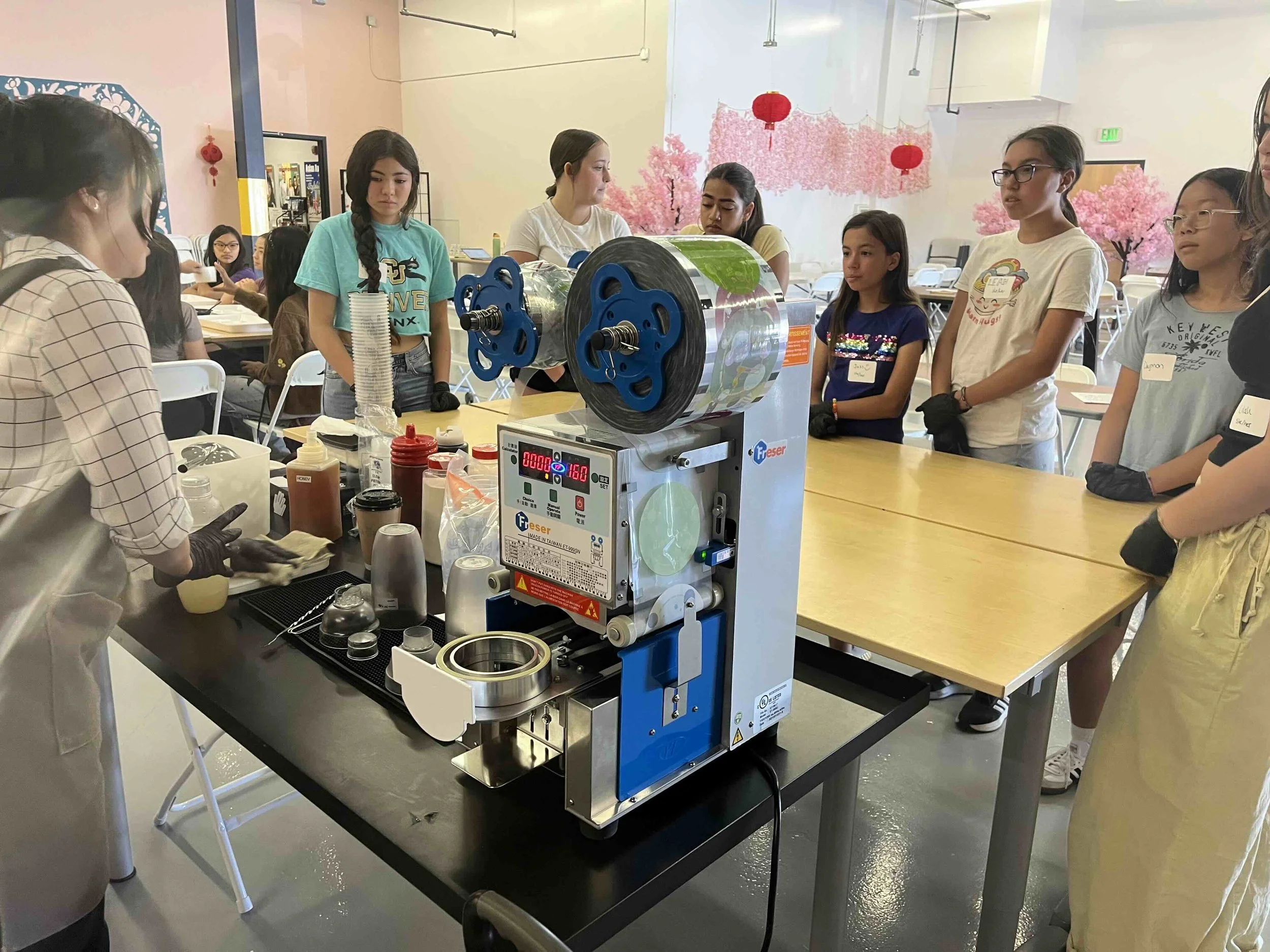
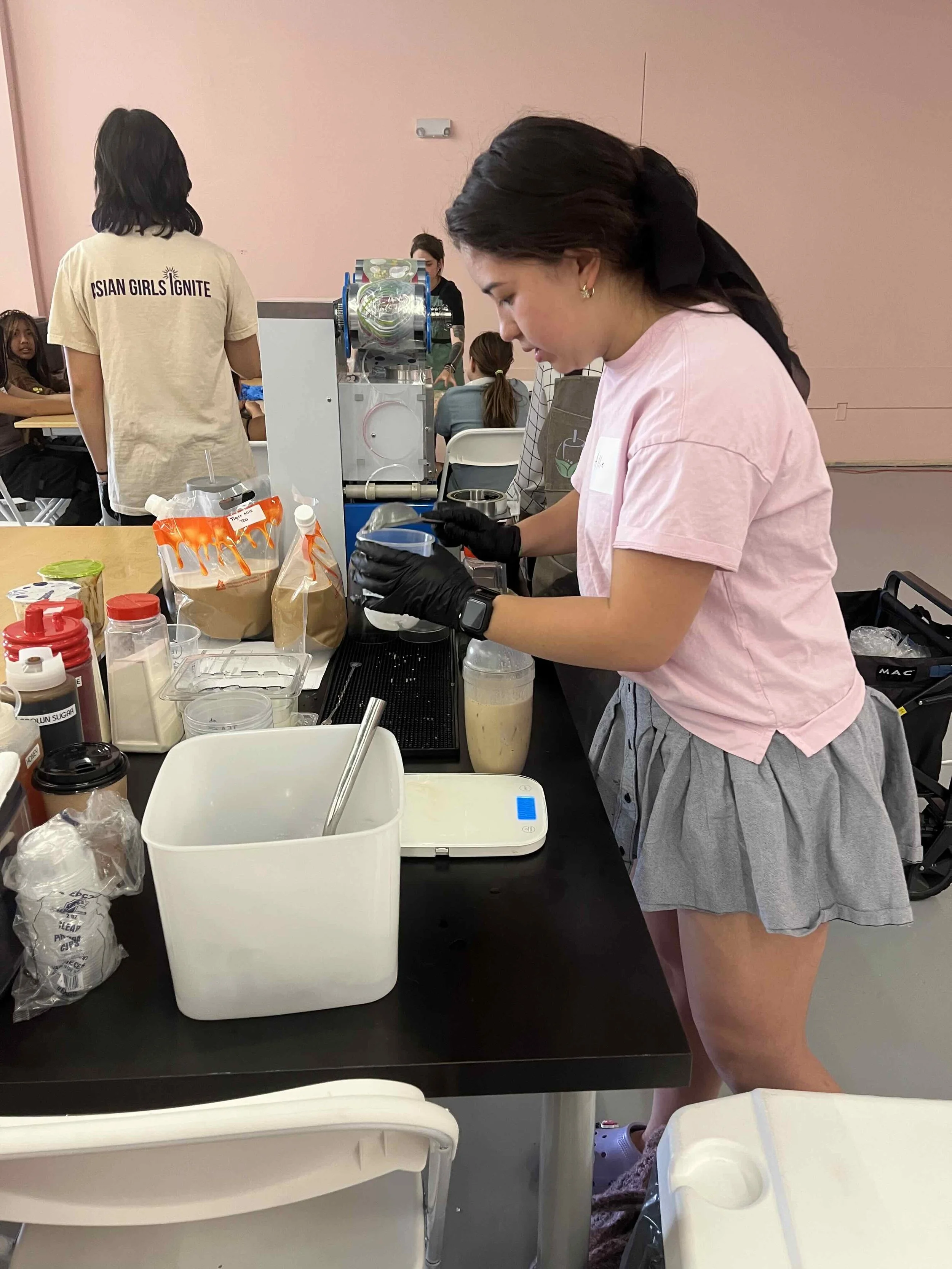
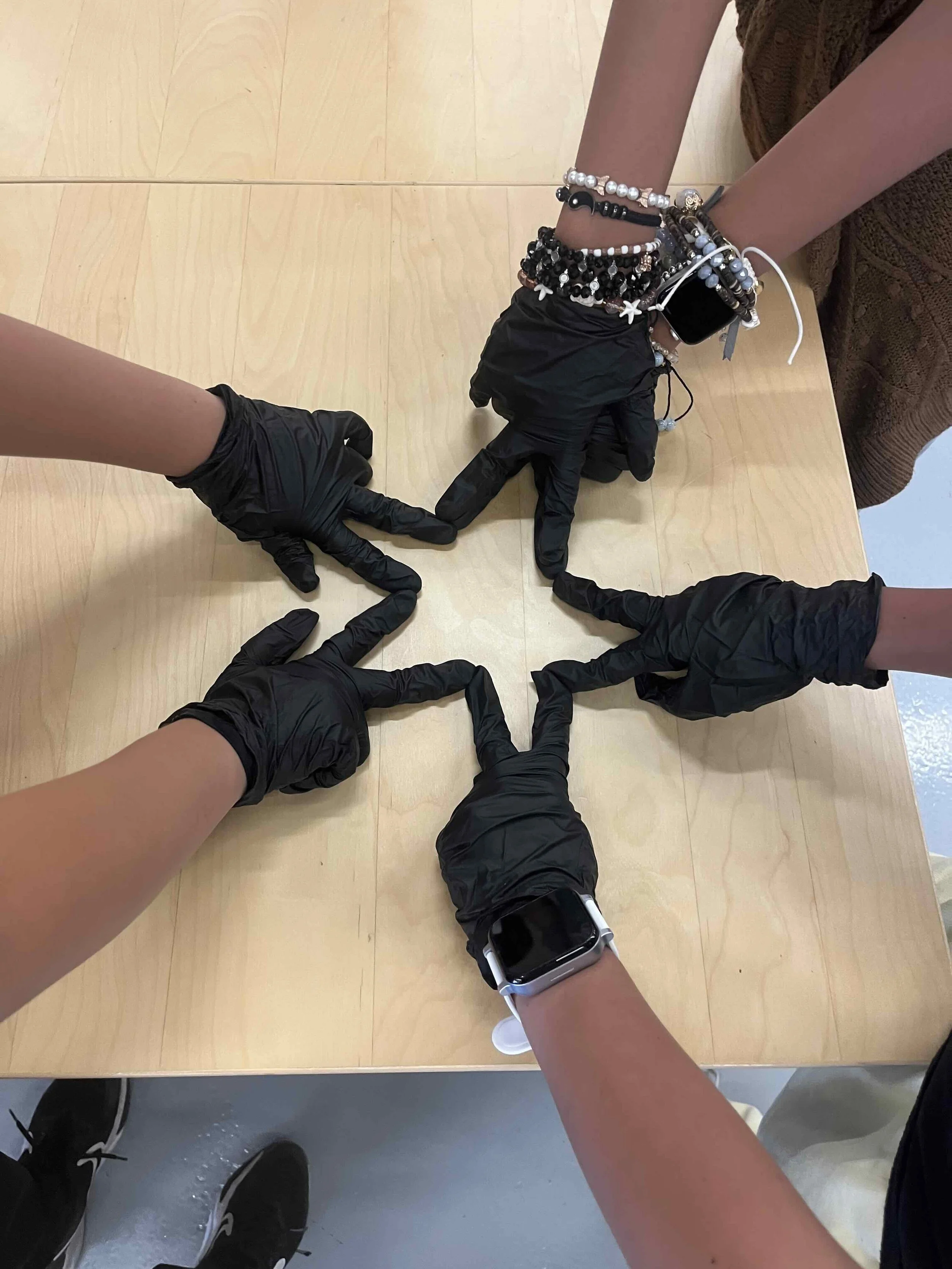
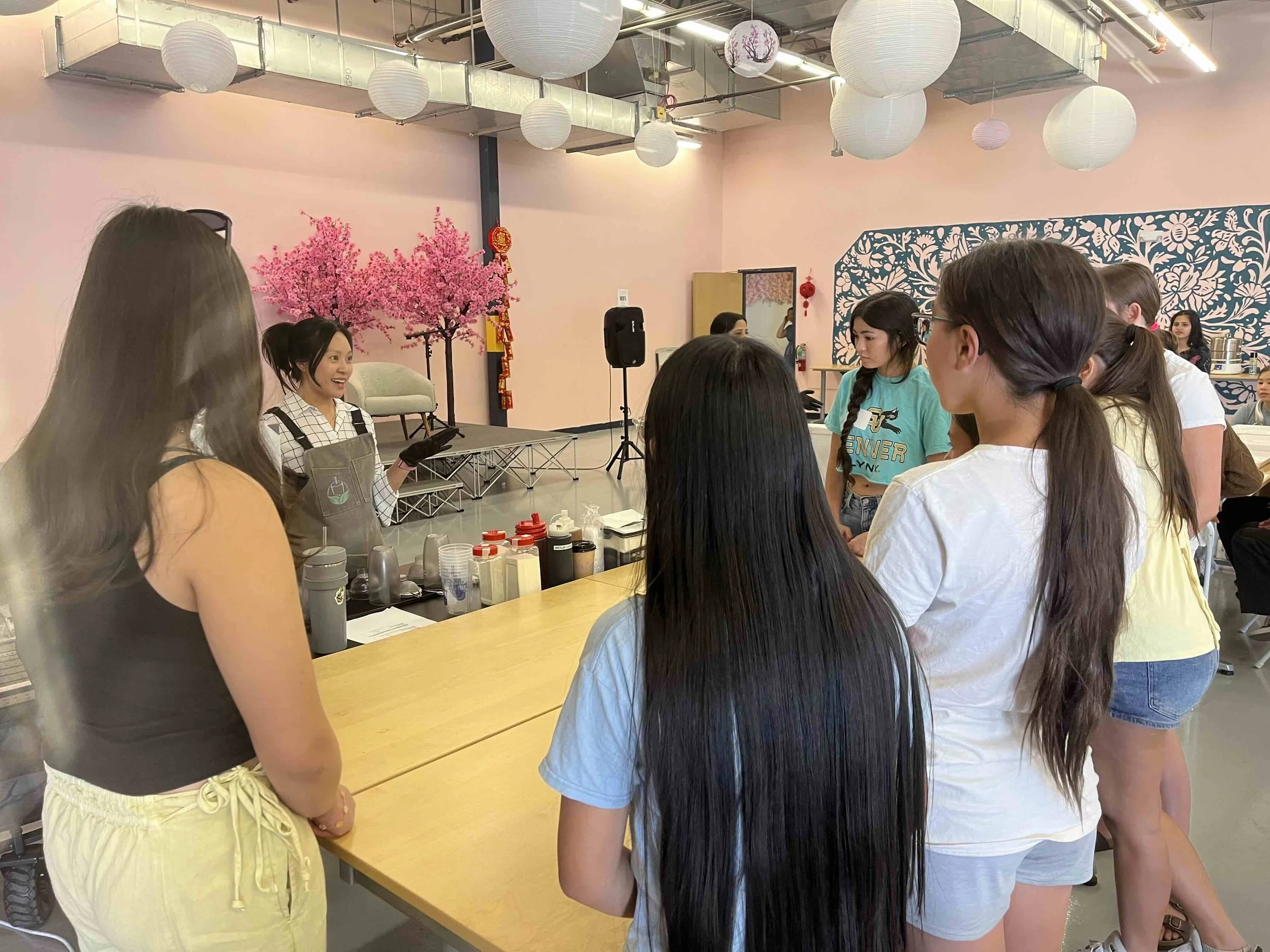
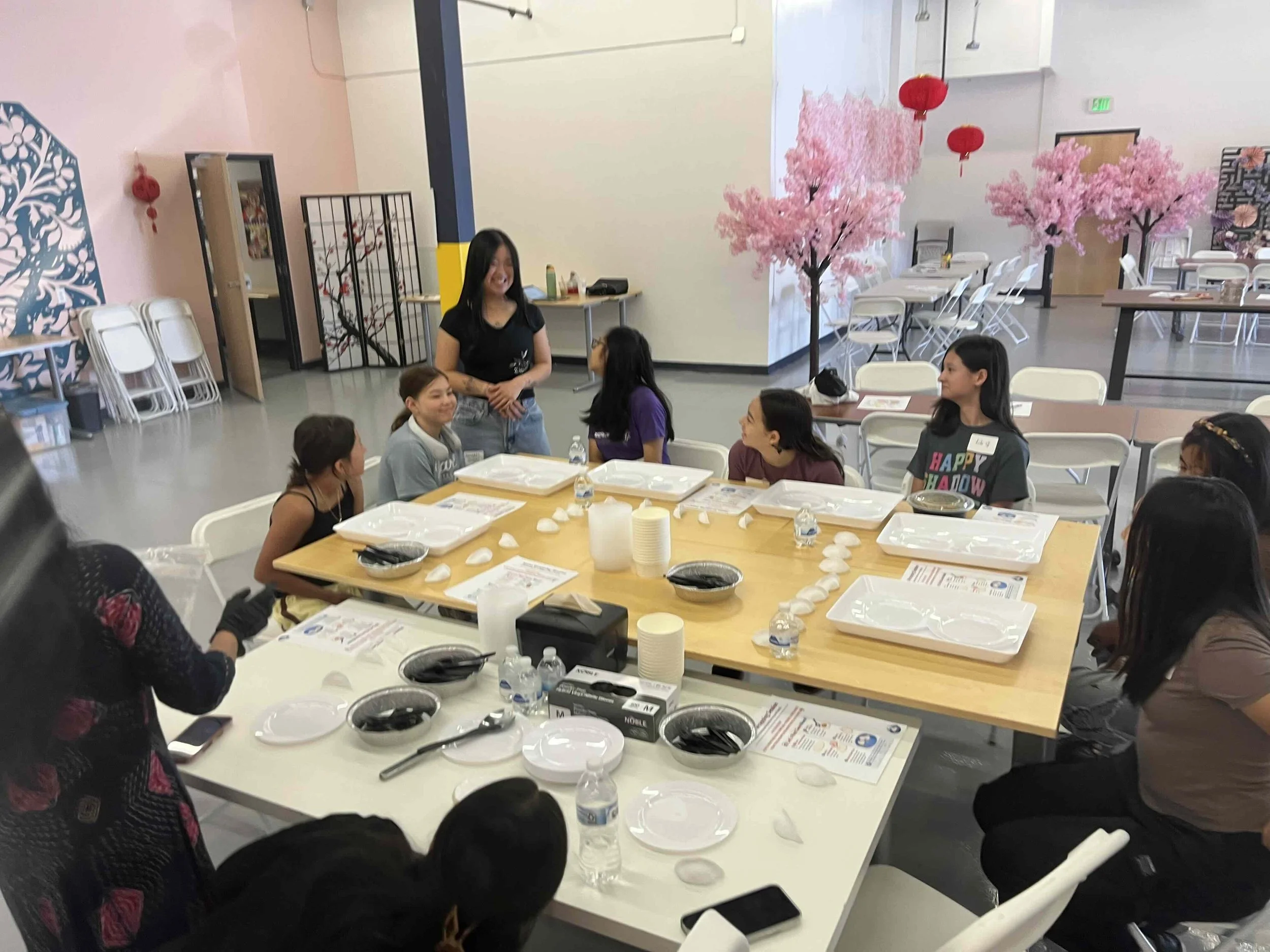
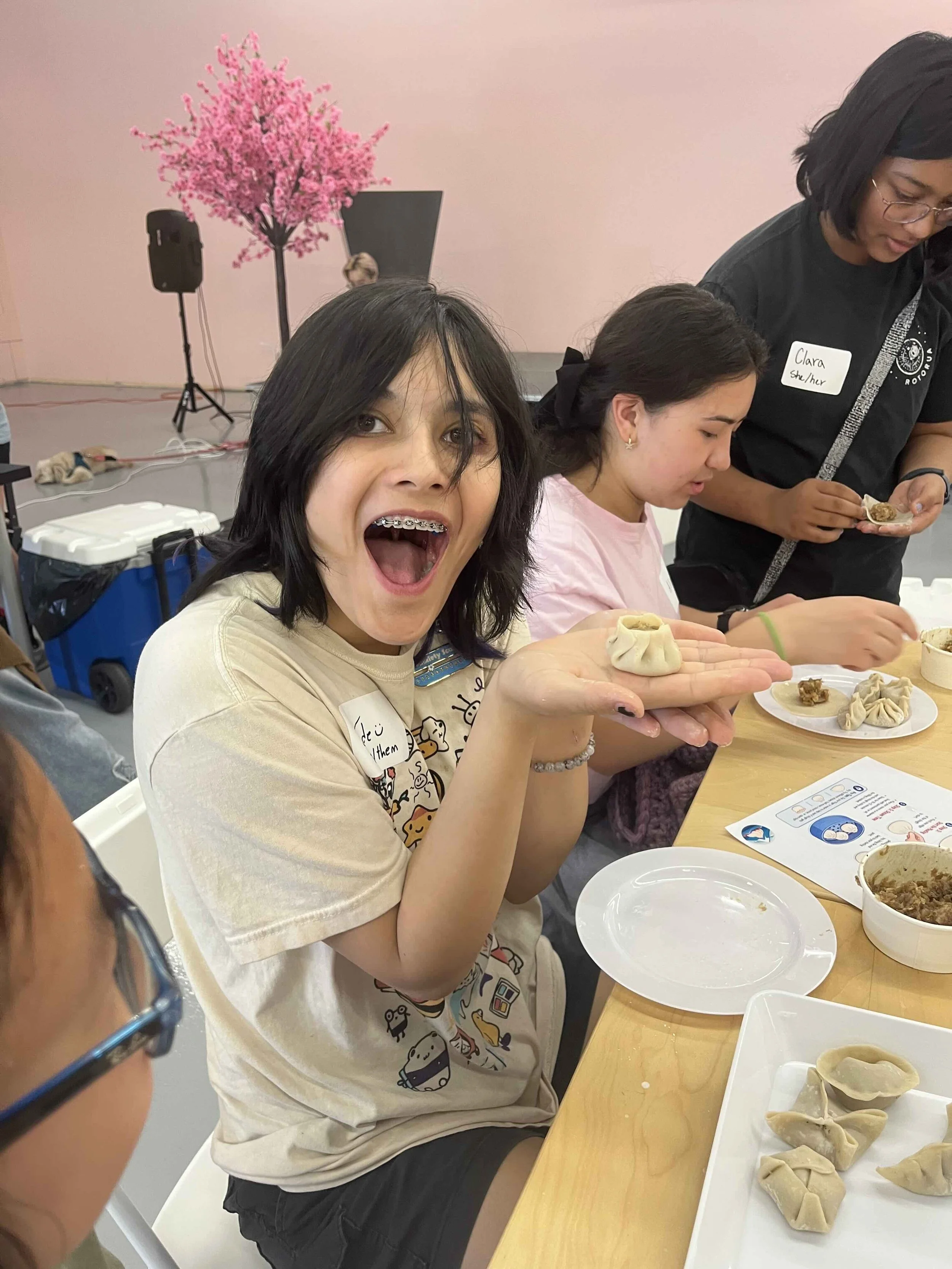
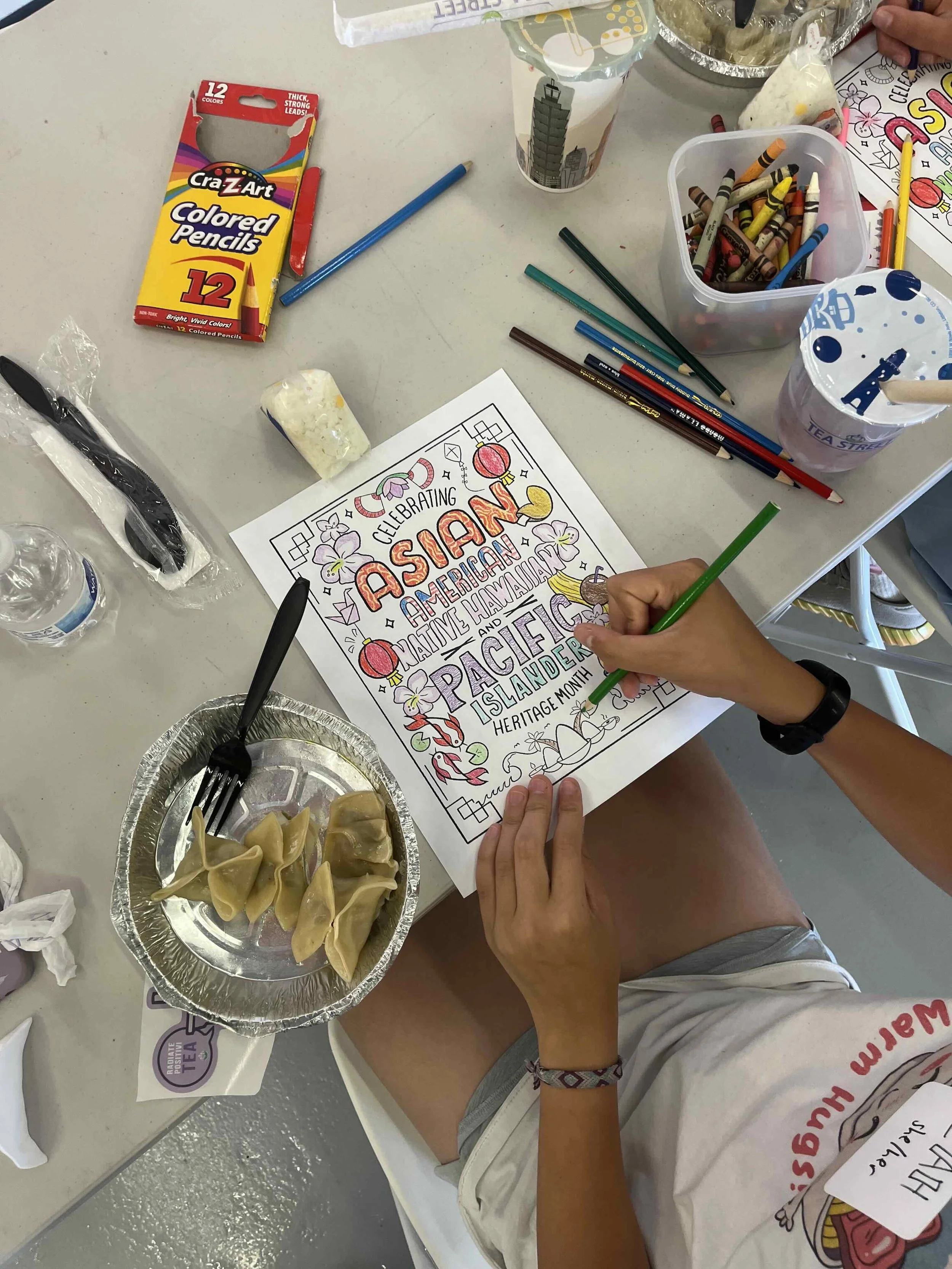
Our students split into small, intentional groups to move through two hours of hands-on food stations. We were incredibly lucky to be guided by local Denver-area AANHPI culinary masters who shared not just their recipes, but the deep lineages and unpolished stories behind their craft:
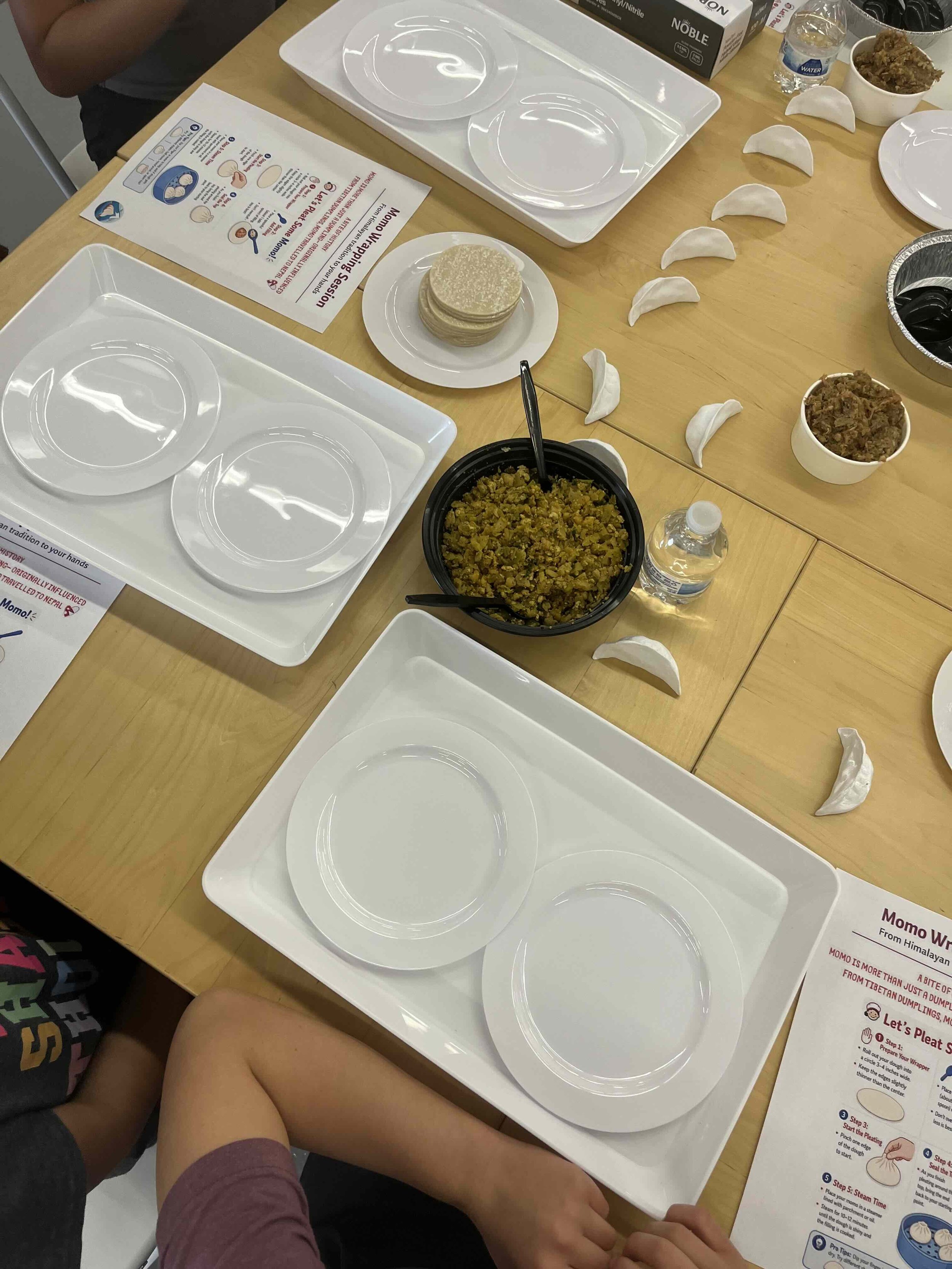
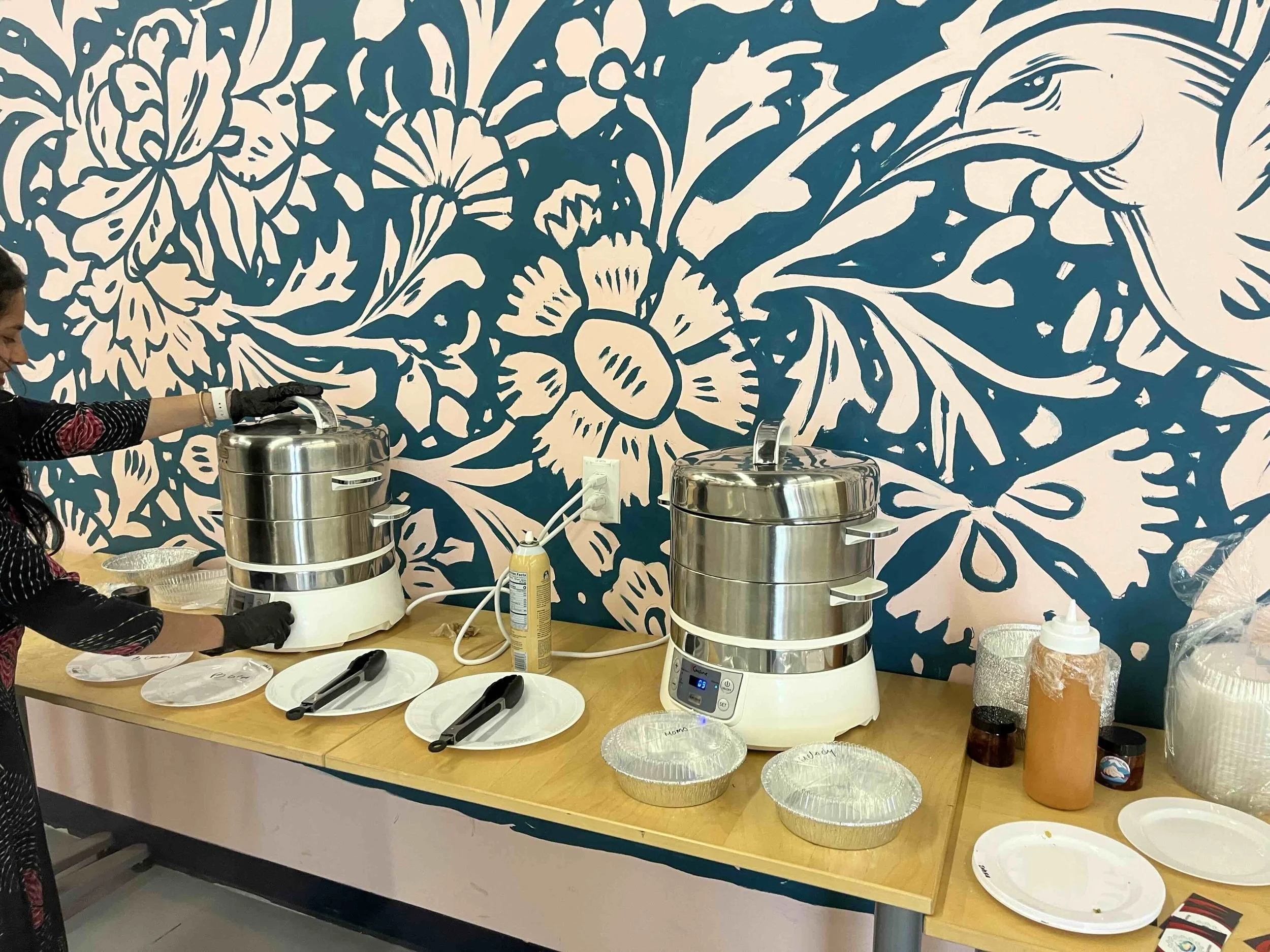
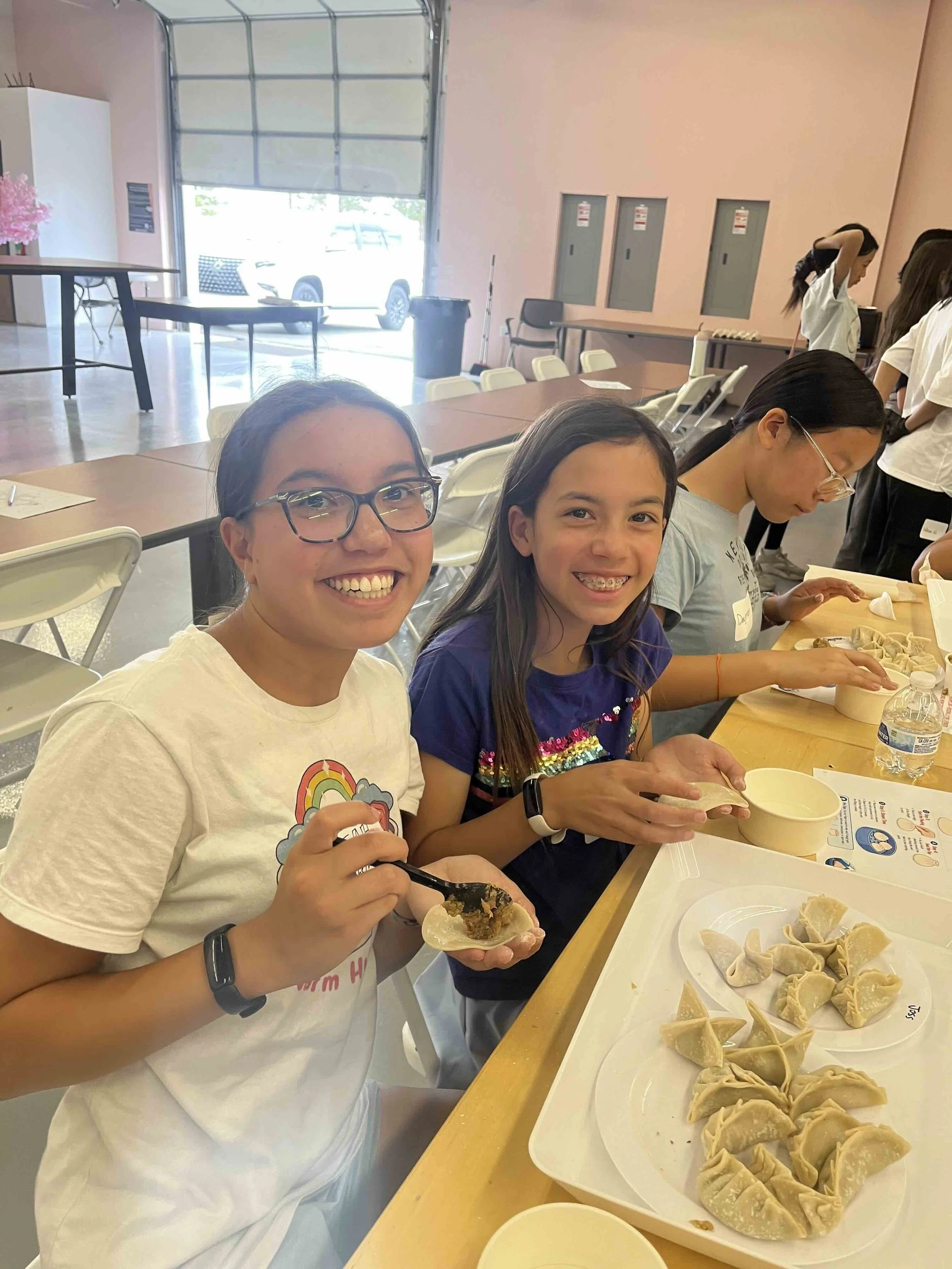
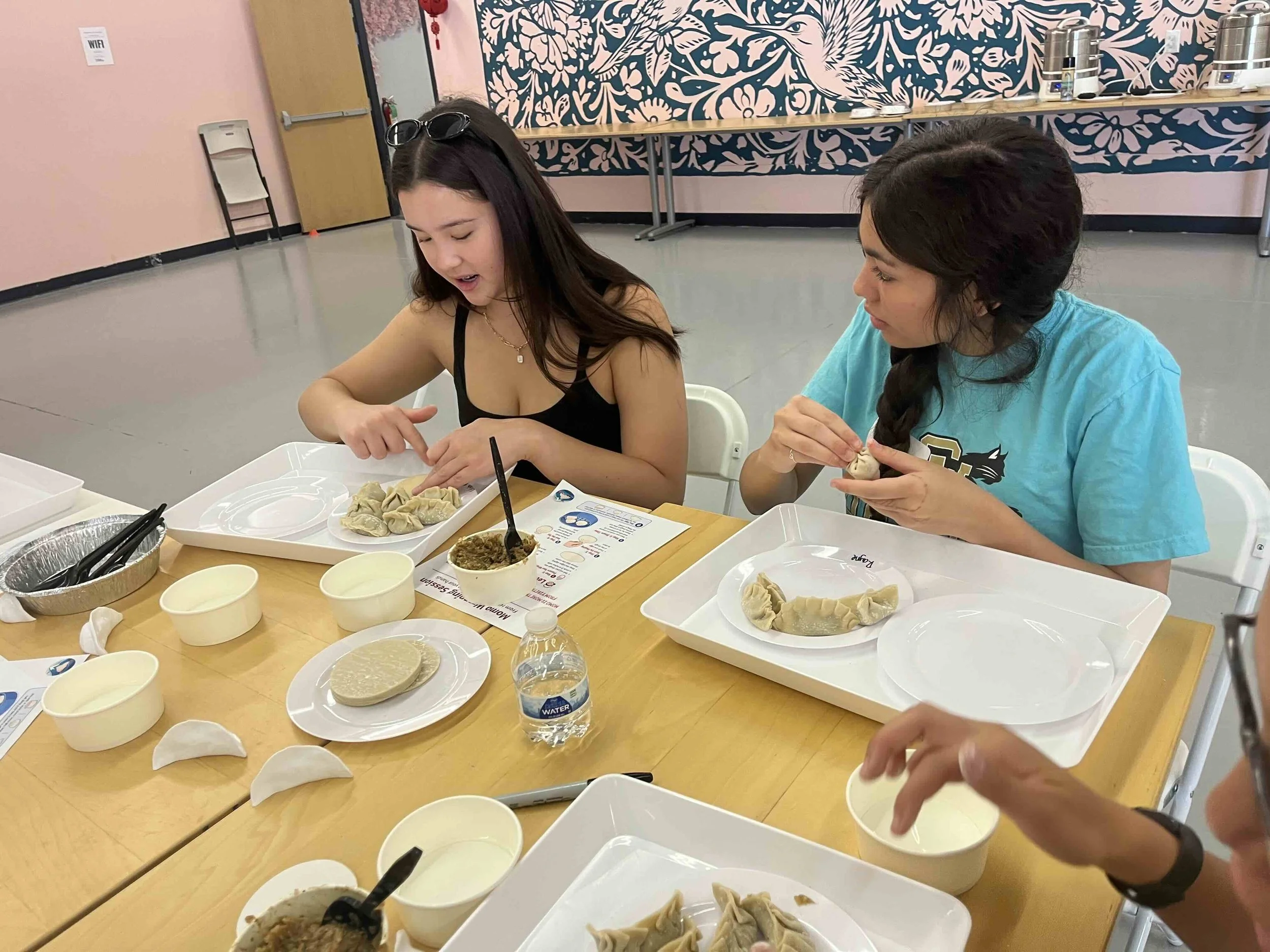
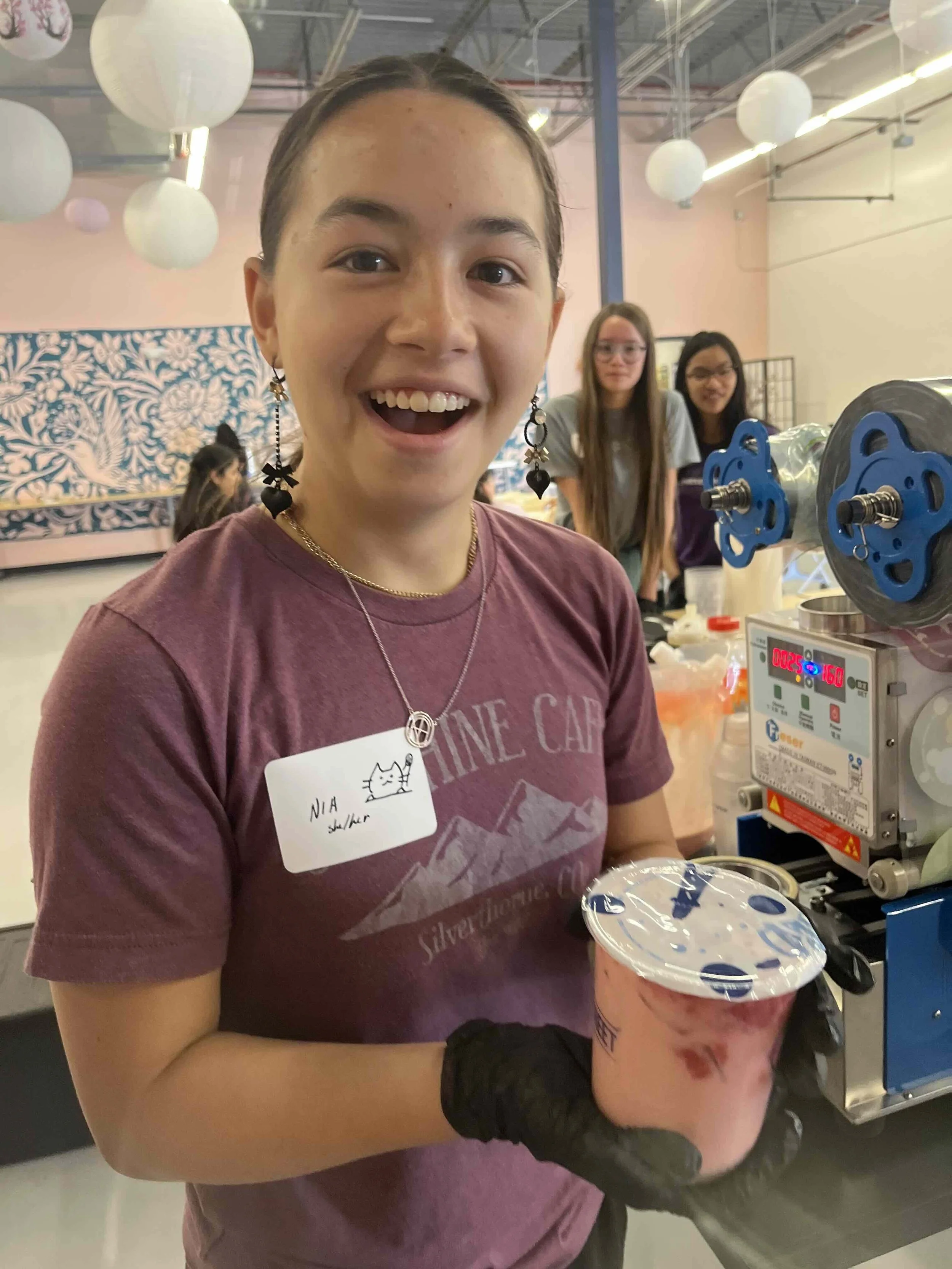
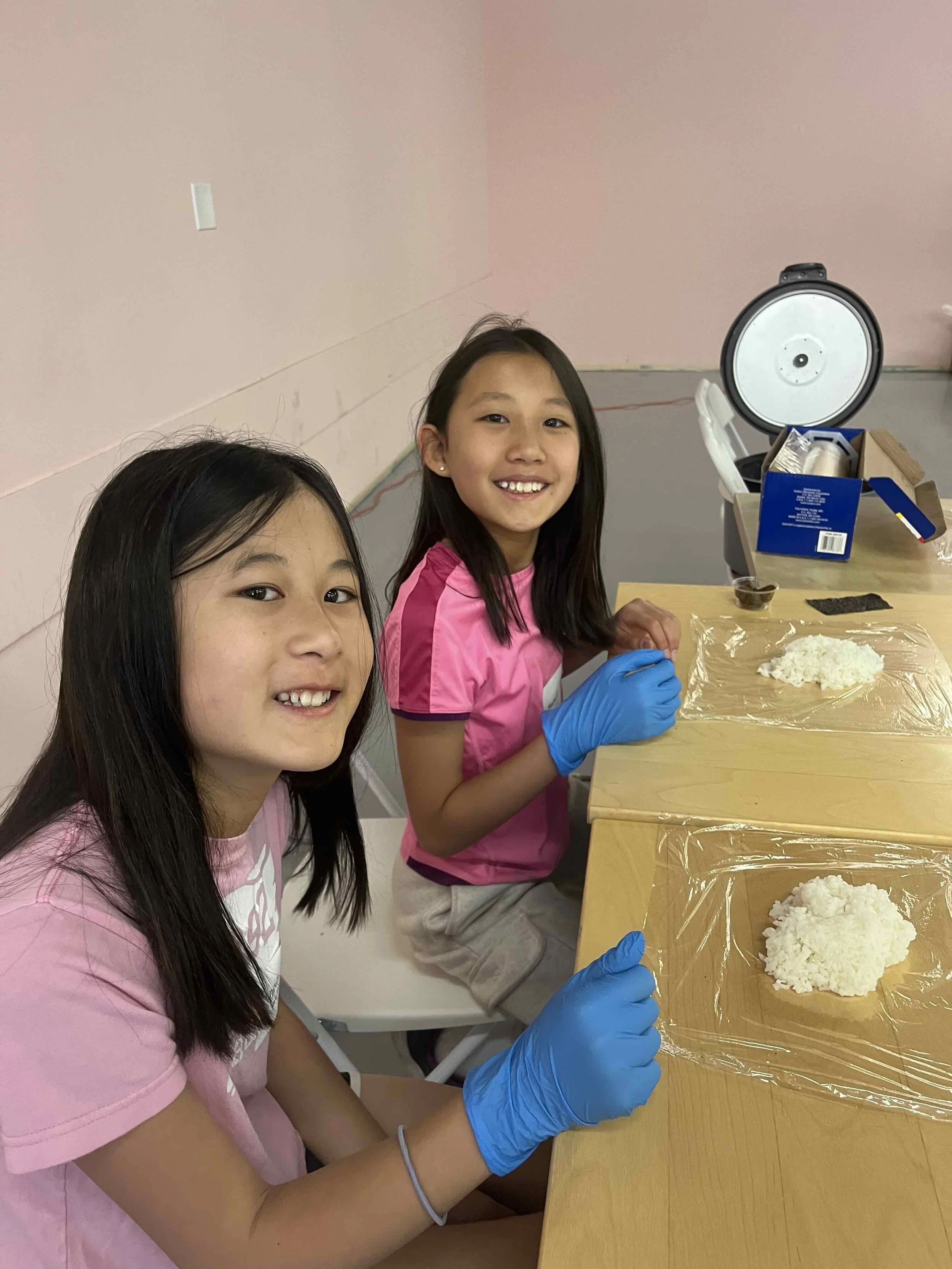
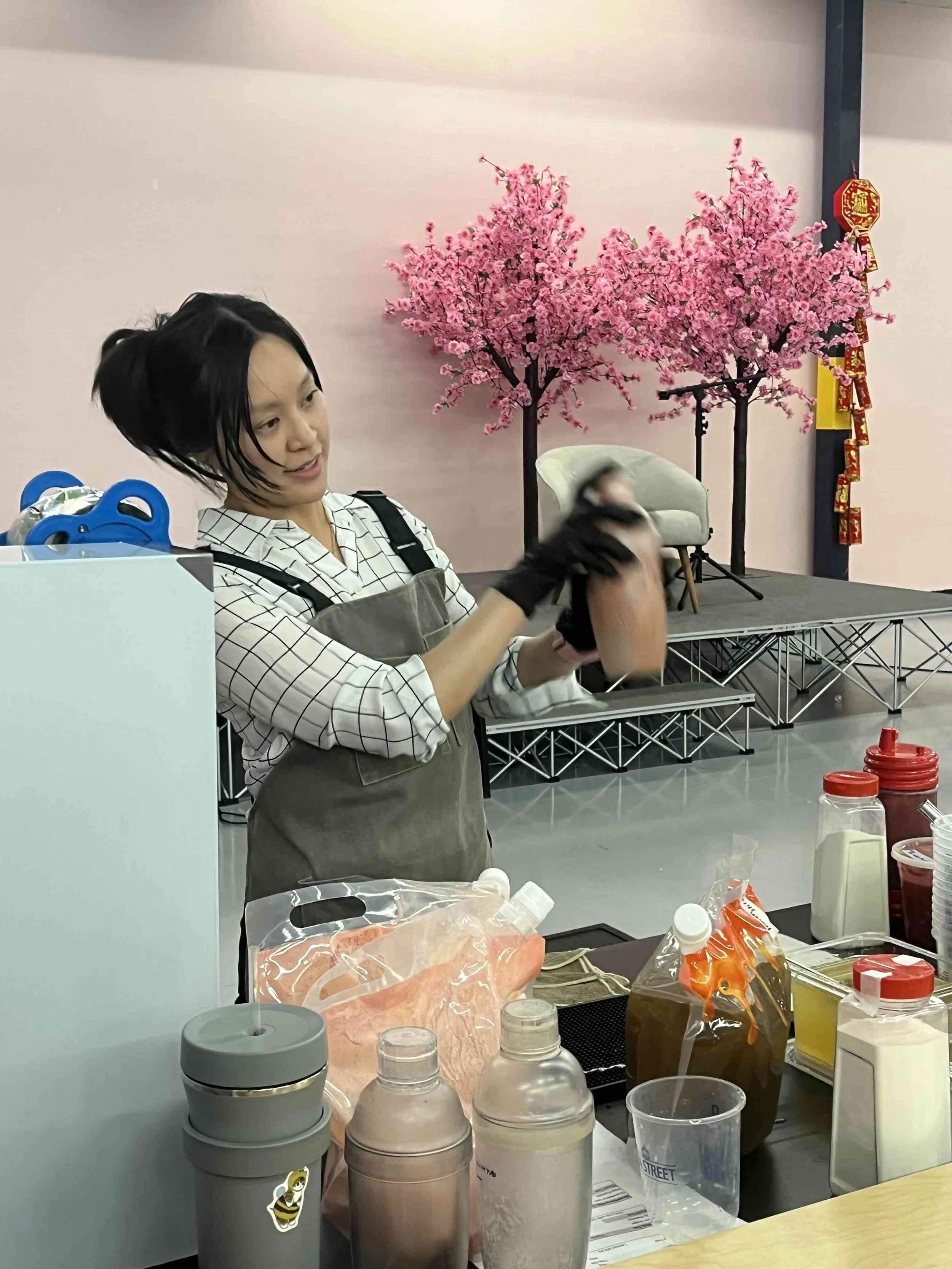
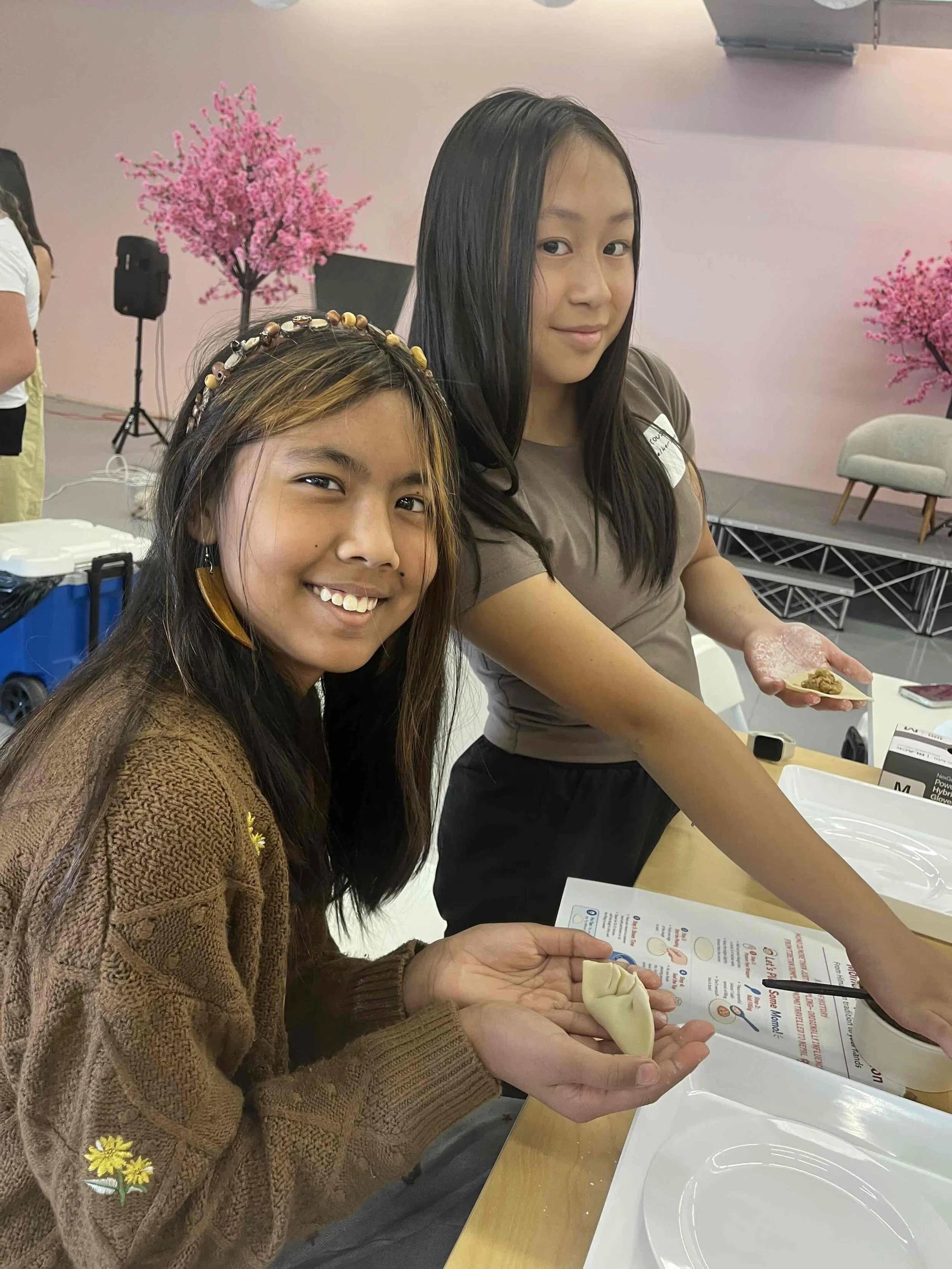
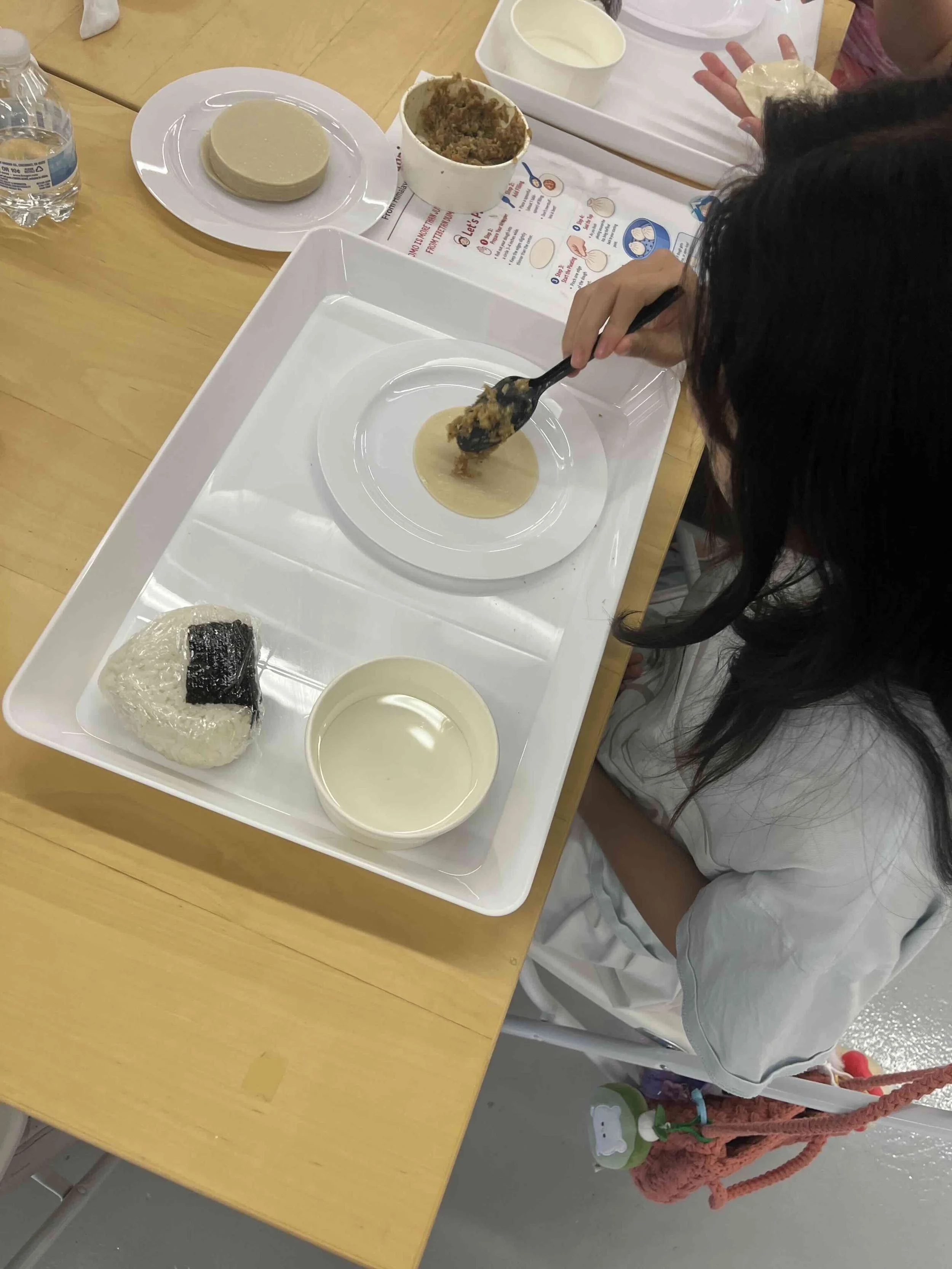
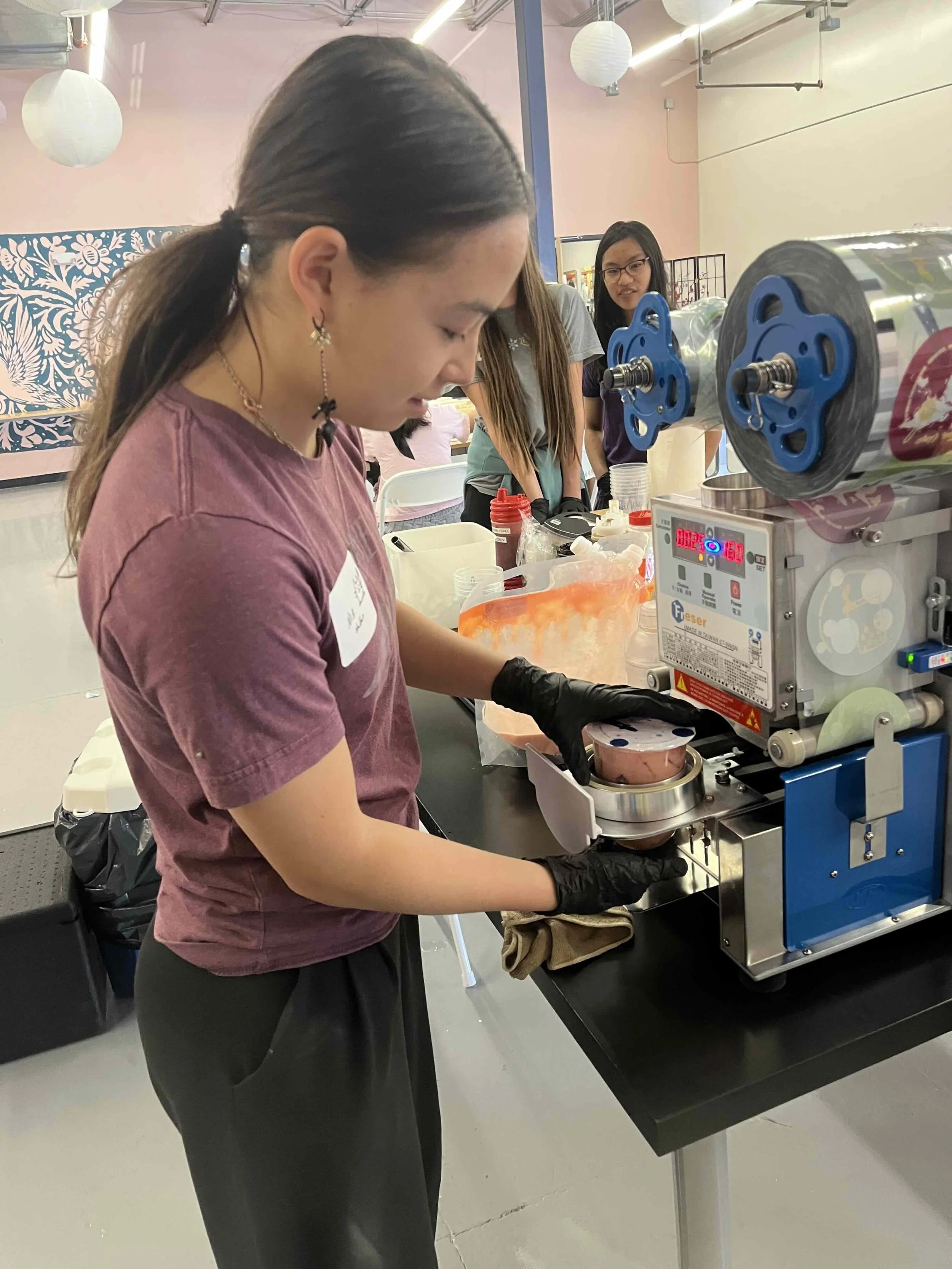
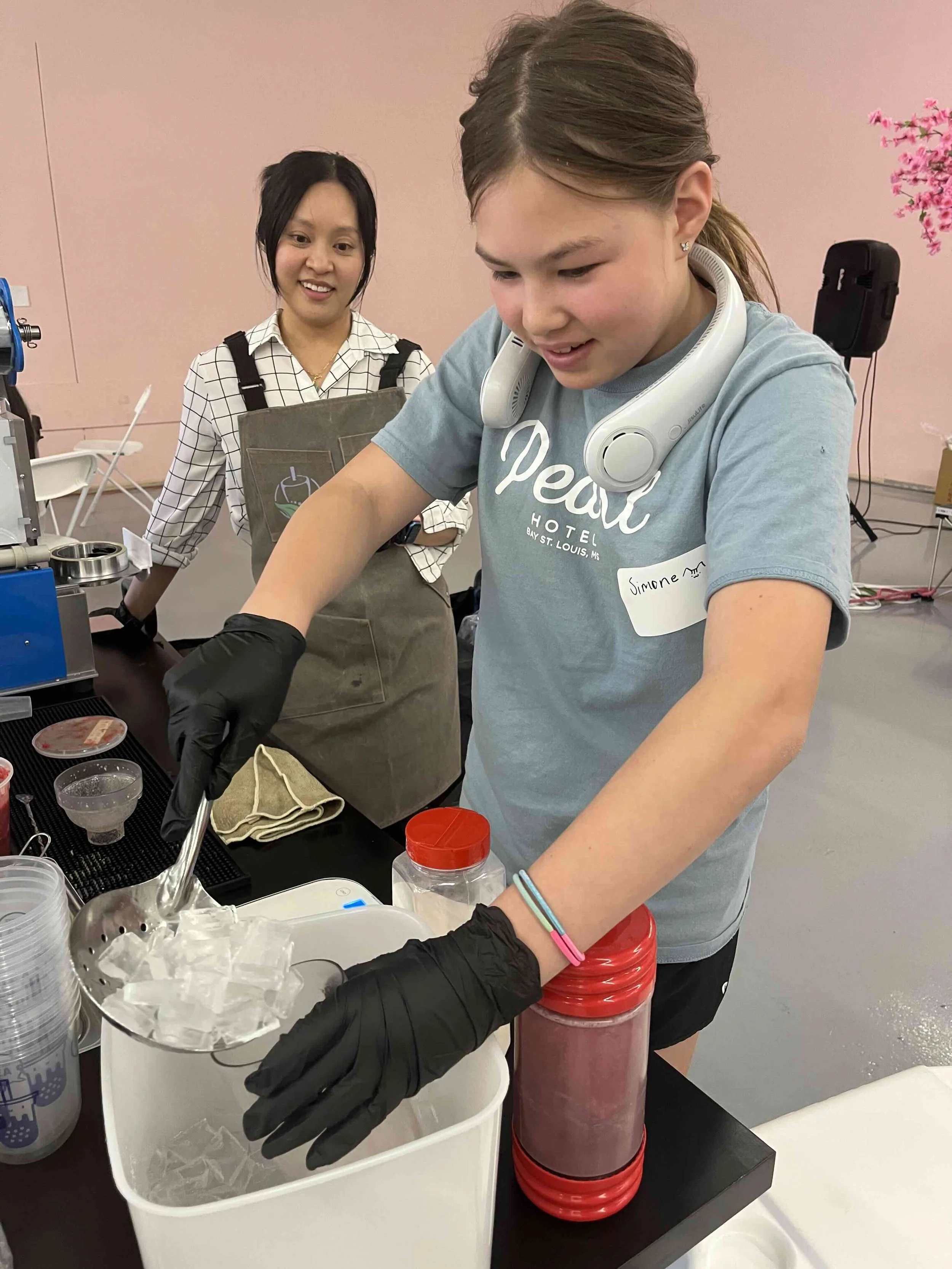
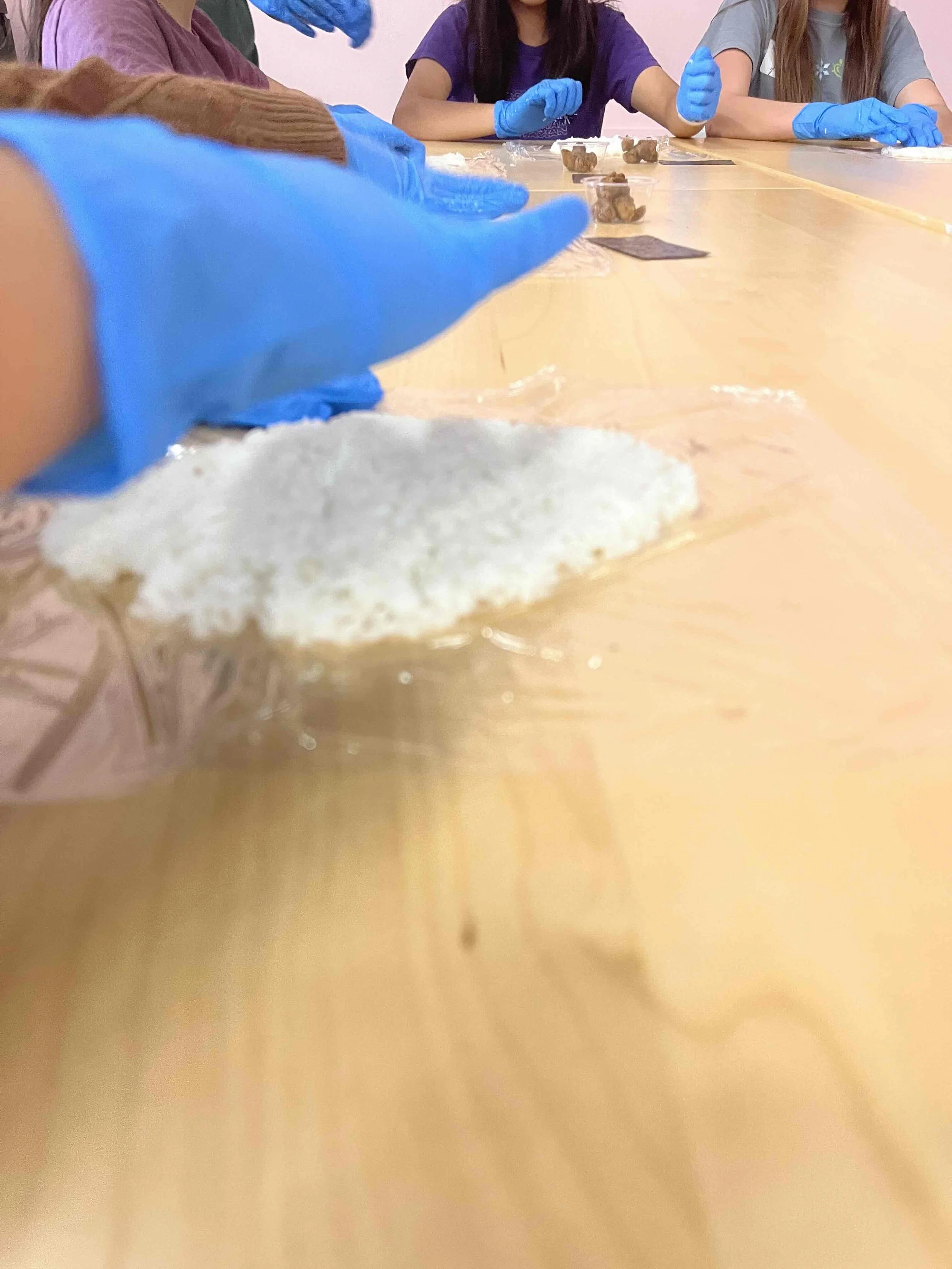
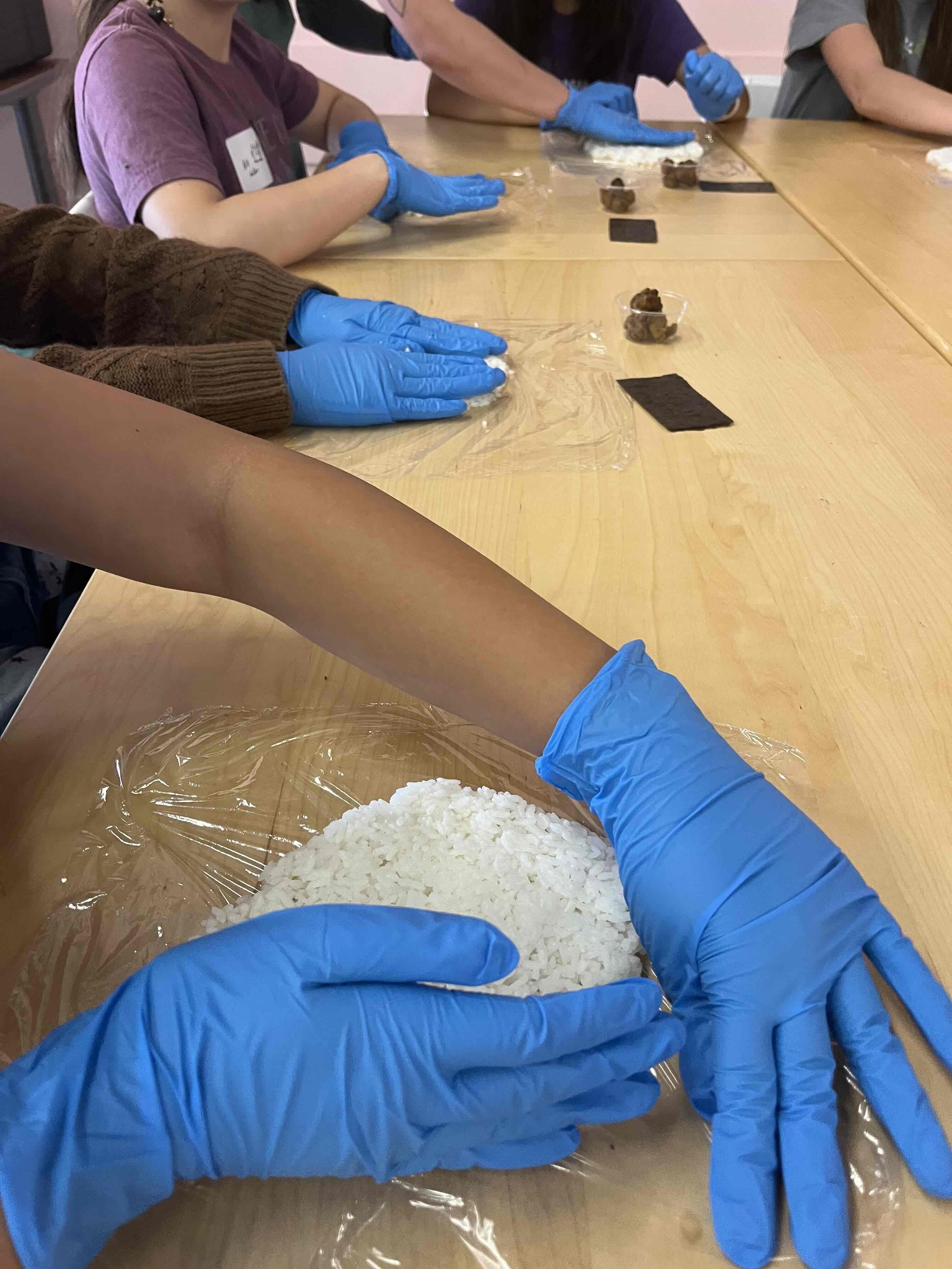
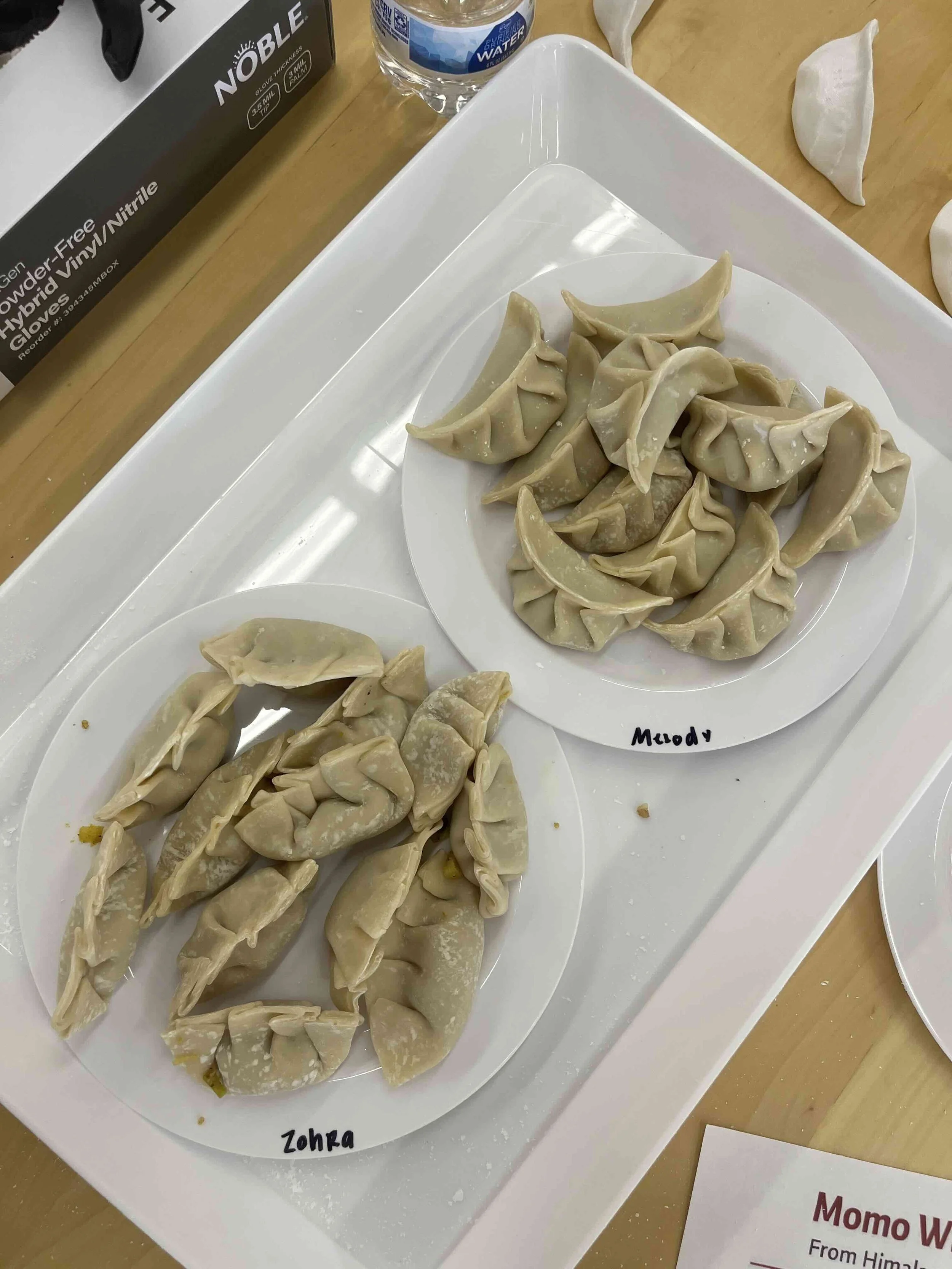
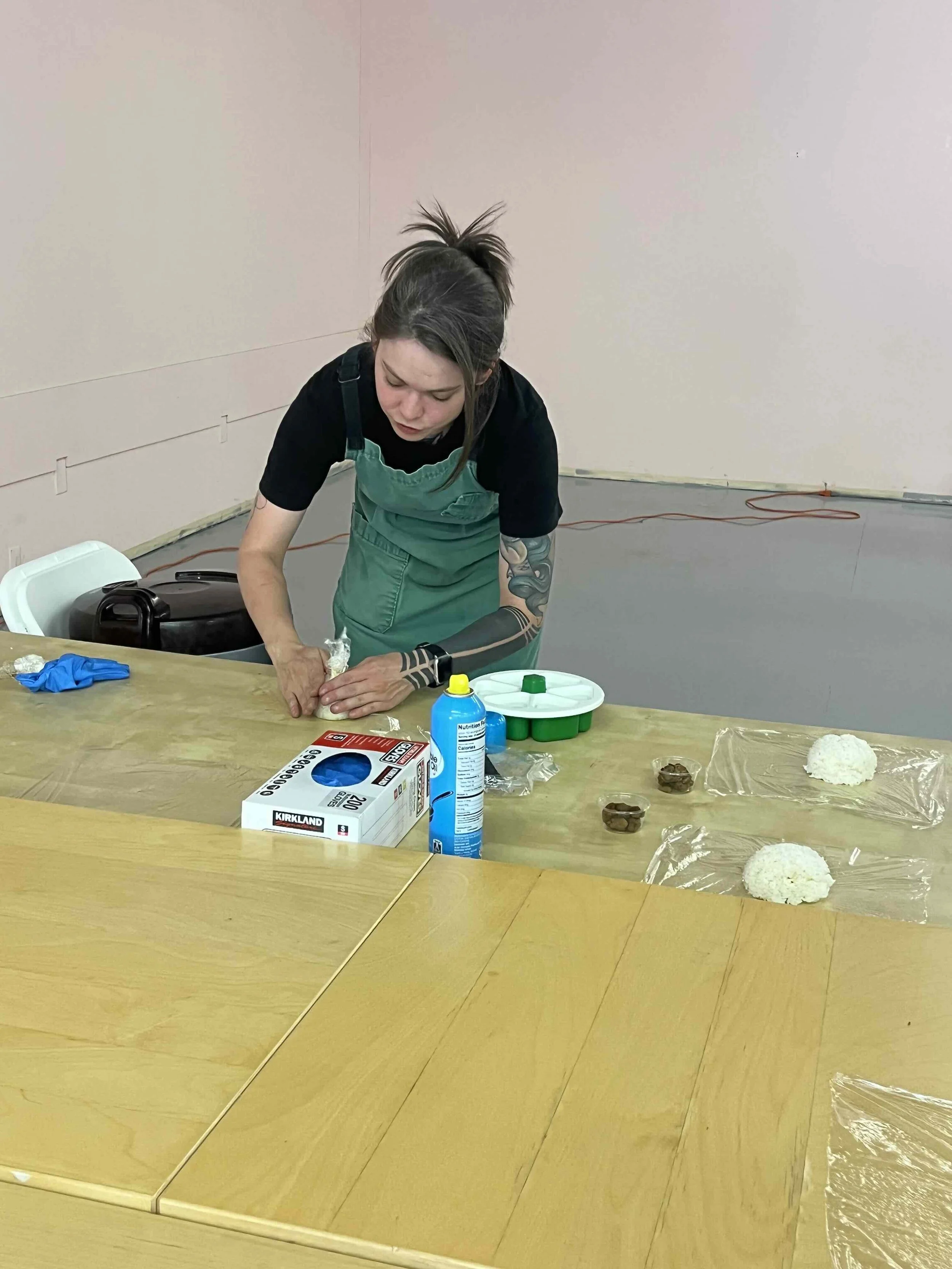
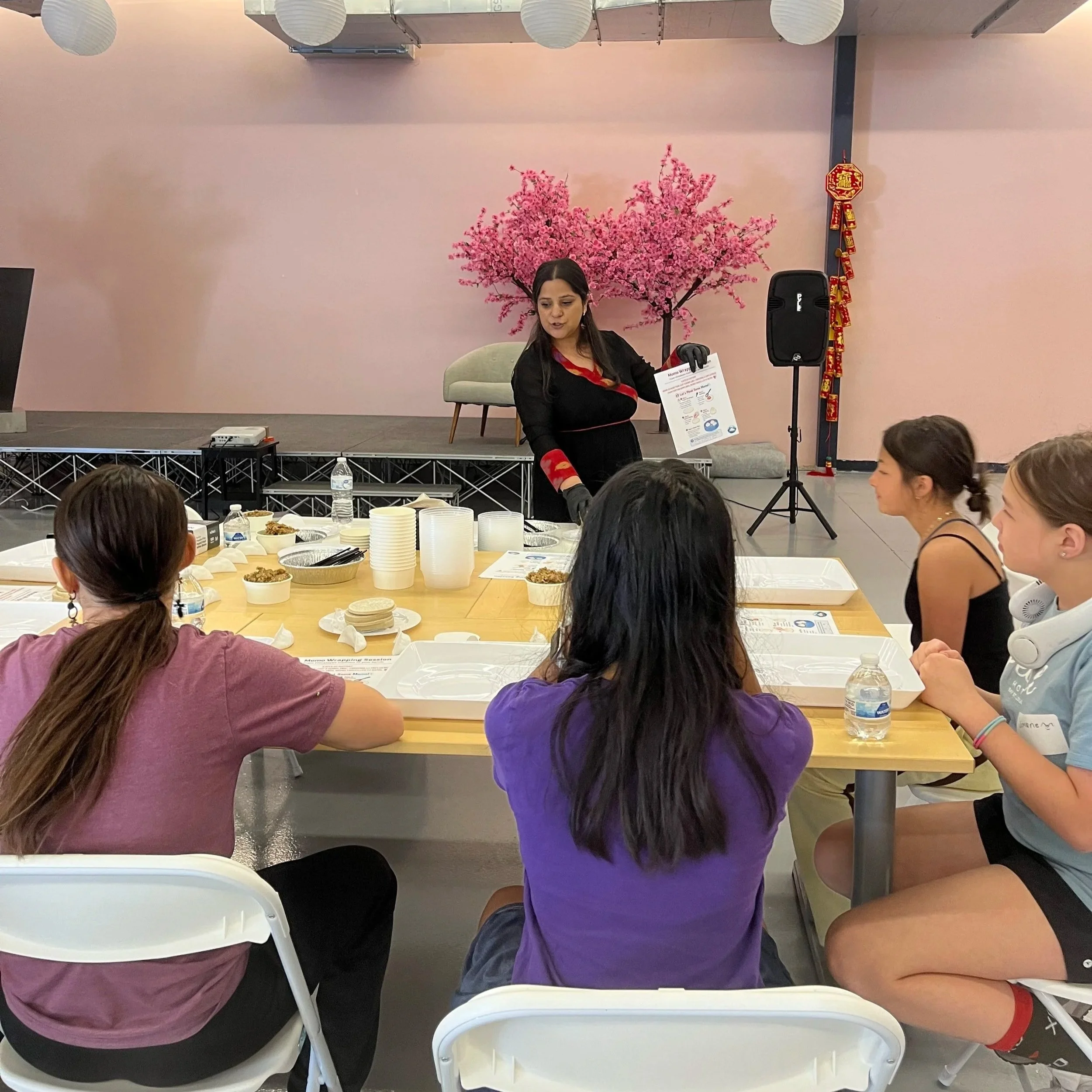
🥟 The Momo Masterclass with rocky mountain momo
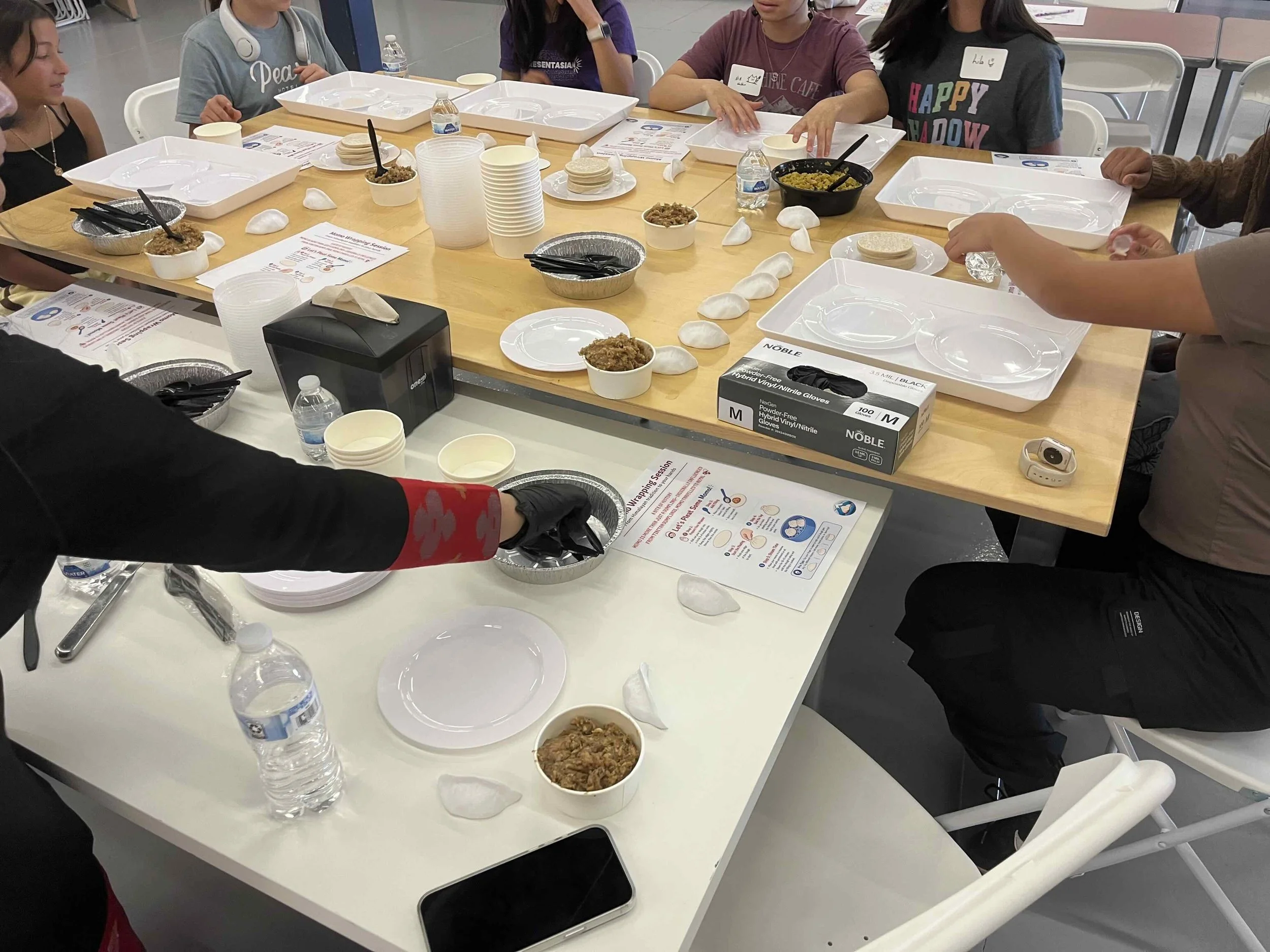
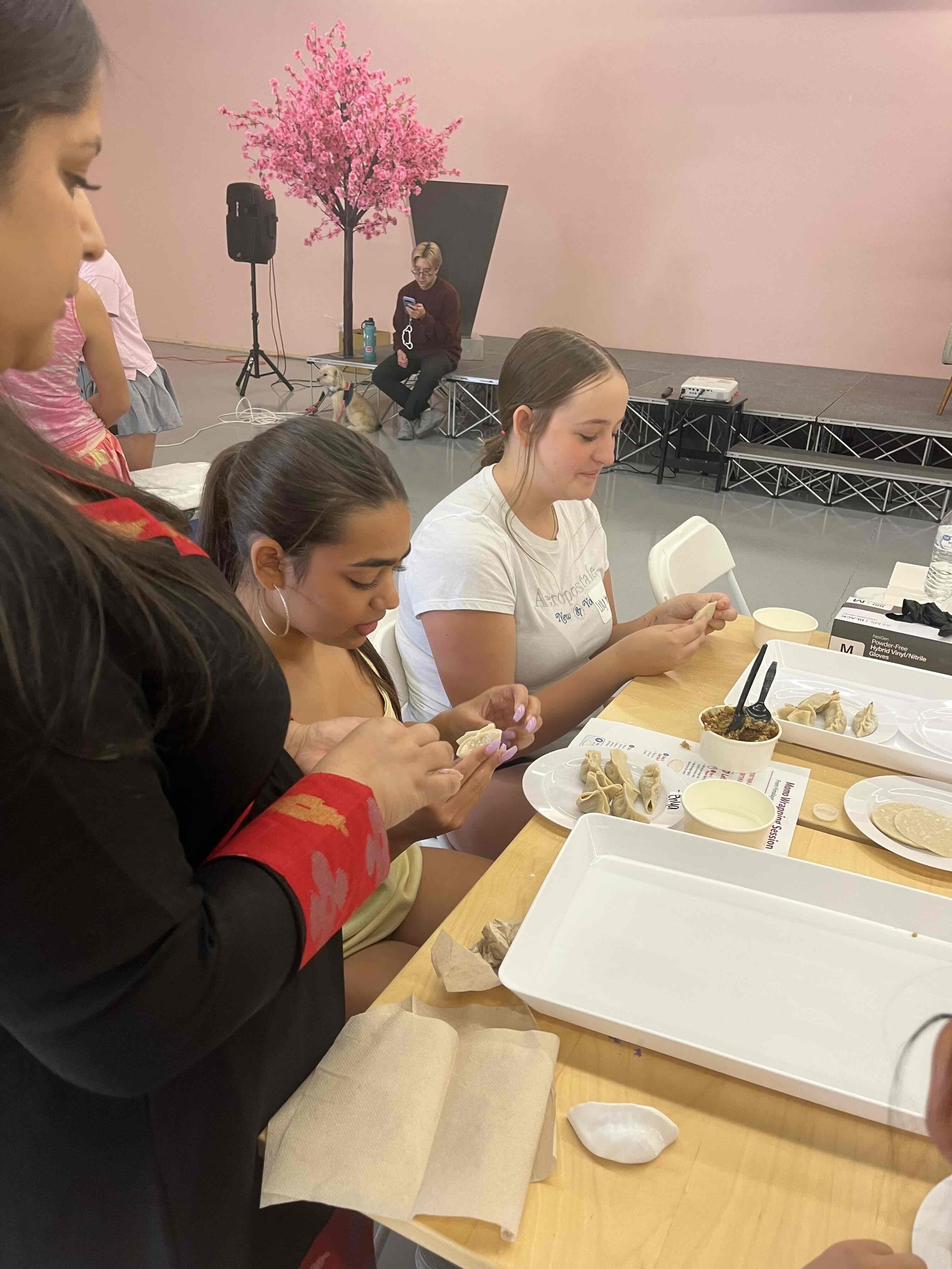
Guided by Rabee Sharma (she/her), students mastered the delicate, traditional art of folding Nepalese momos.
Learn more about the ancient Trans-Himalayan trade roots of the Newar merchants who created the dish
This history of Nepalese momos
While the momo is the absolute crown jewel of Nepalese comfort food today, its story is deeply rooted in travel, trade, and cultural exchange. Centuries ago, Indigenous Newar merchants from the Kathmandu Valley traveled across the grueling Himalayan passes to trade with Tibet. Along the way, they encountered Tibetan dumplings (mog mog). The merchants brought the concept back home to their own kitchens, infusing the wrappers with rich, local South Asian spices like cumin, coriander, and ginger, and creating the vibrant tomato-and-sesame dipping sauce (achar) we know today. To make momos is to practice an oral history and a trade memory passed down through generations across the mountains.
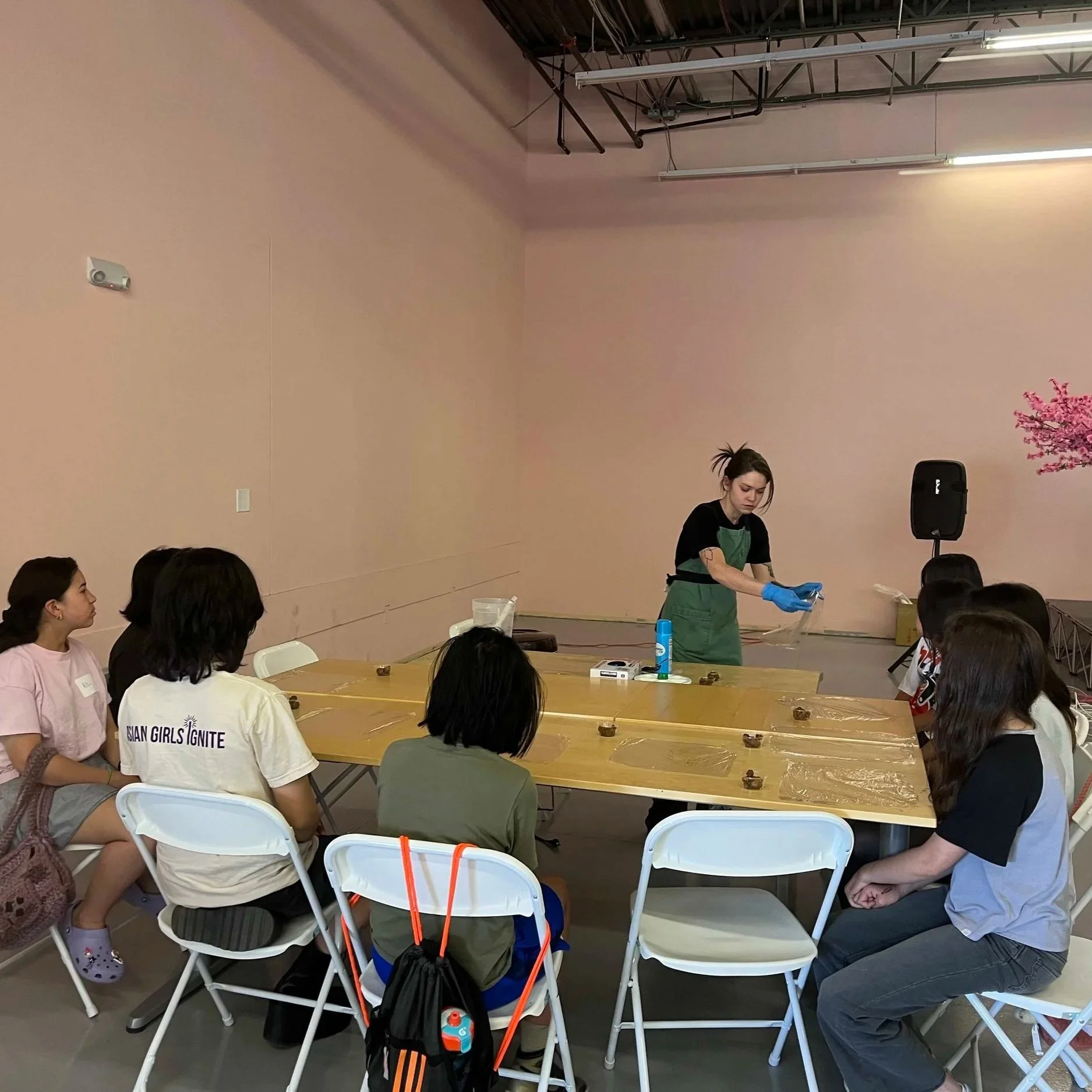
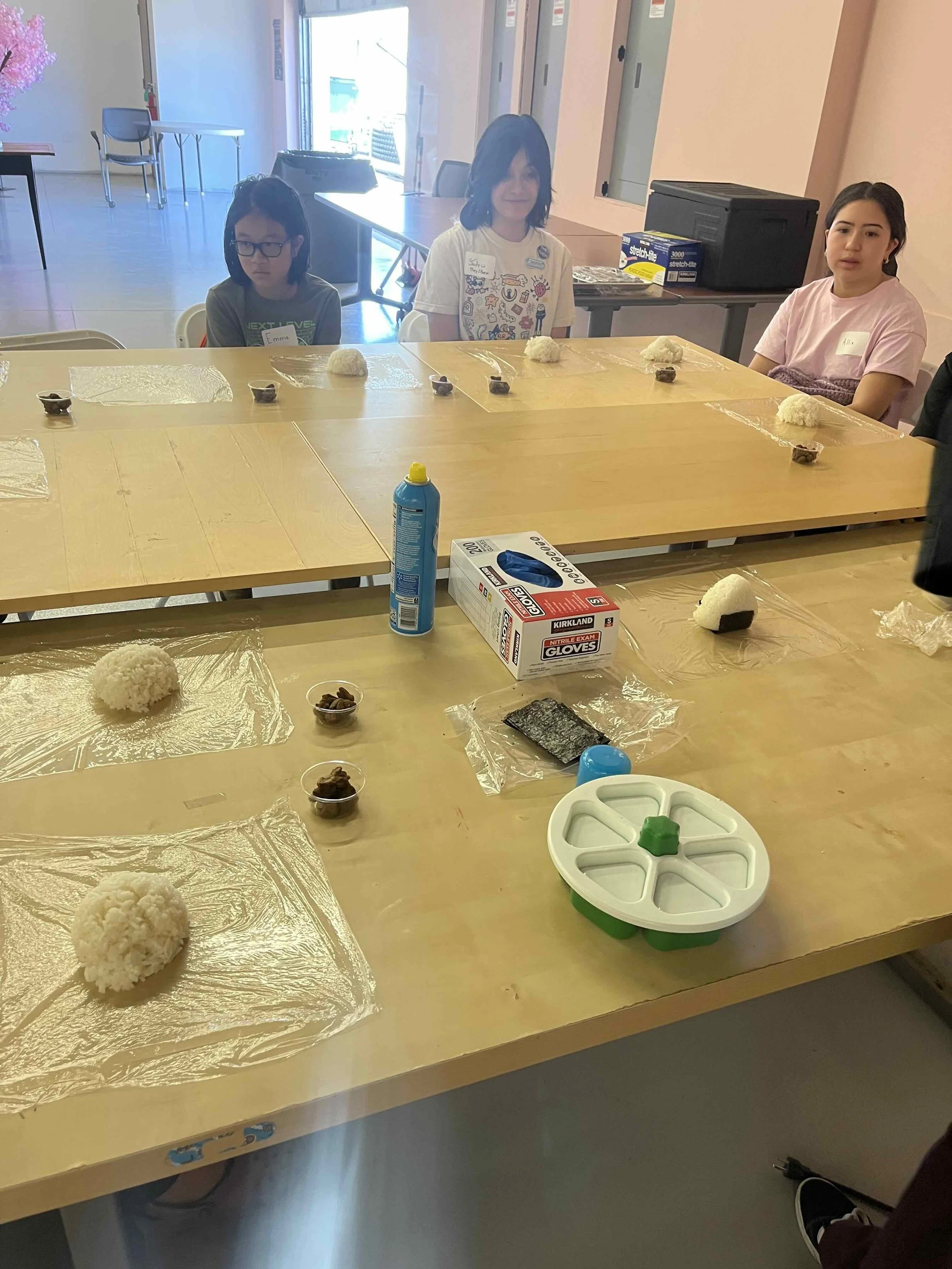
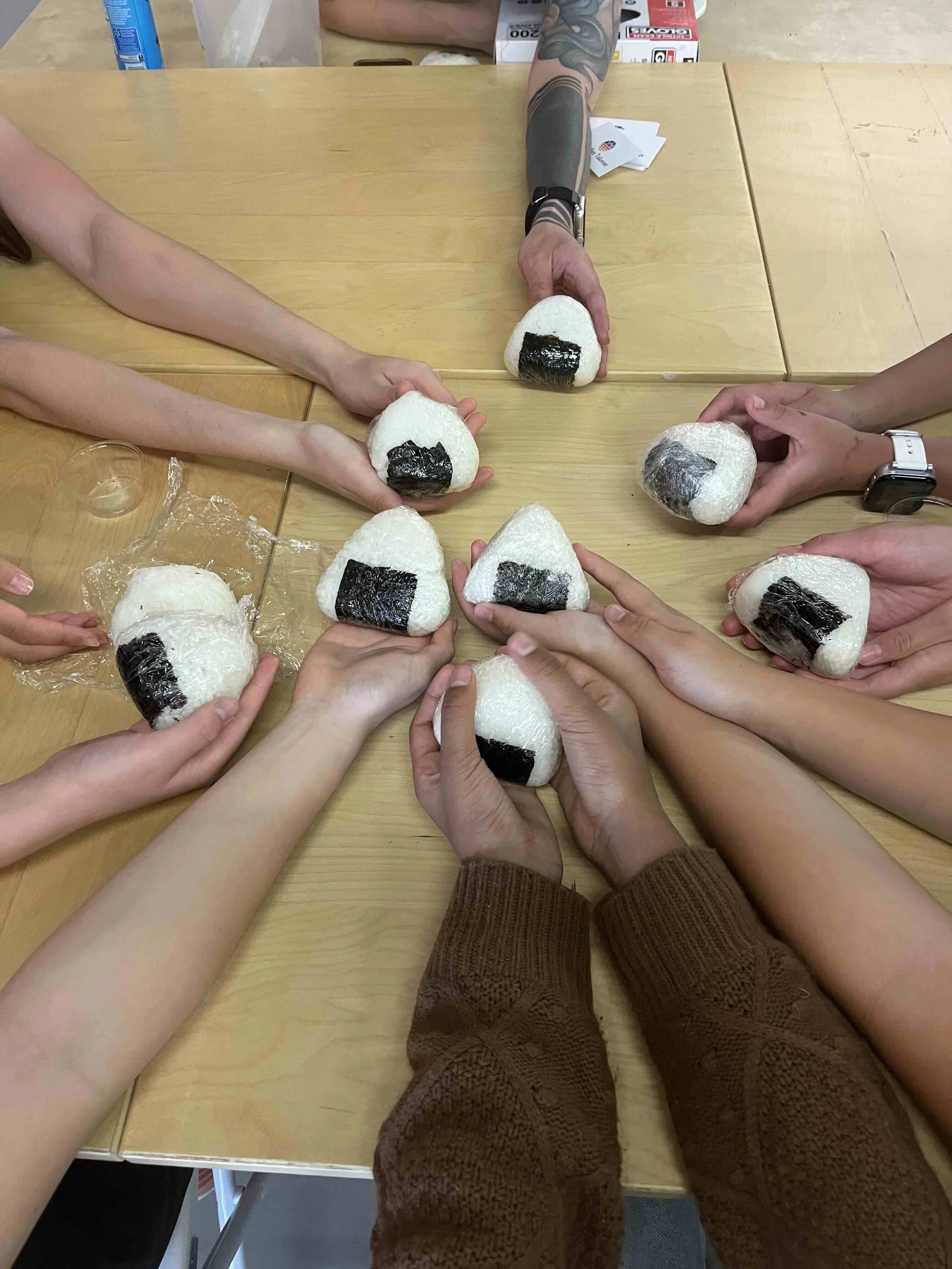
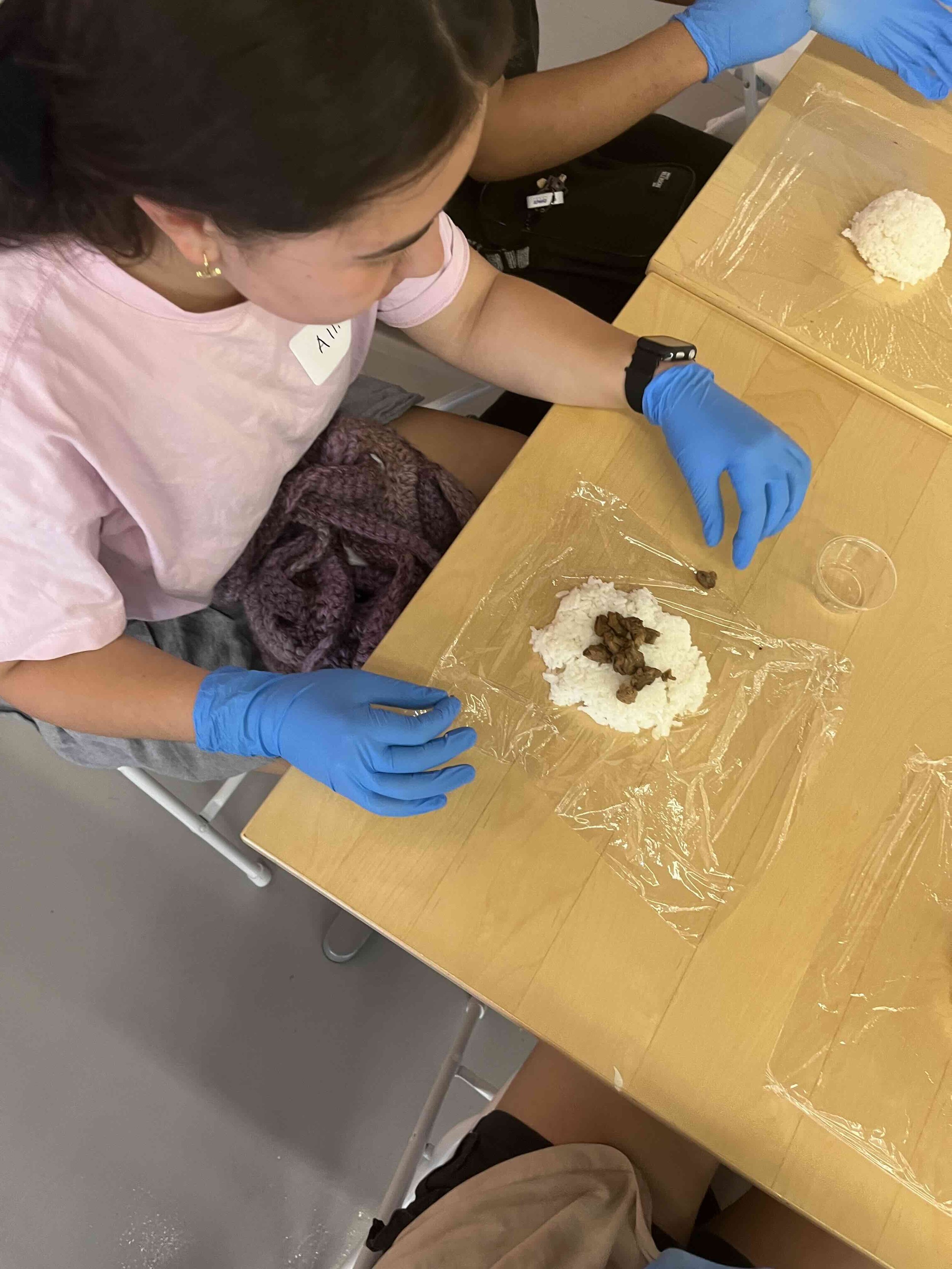
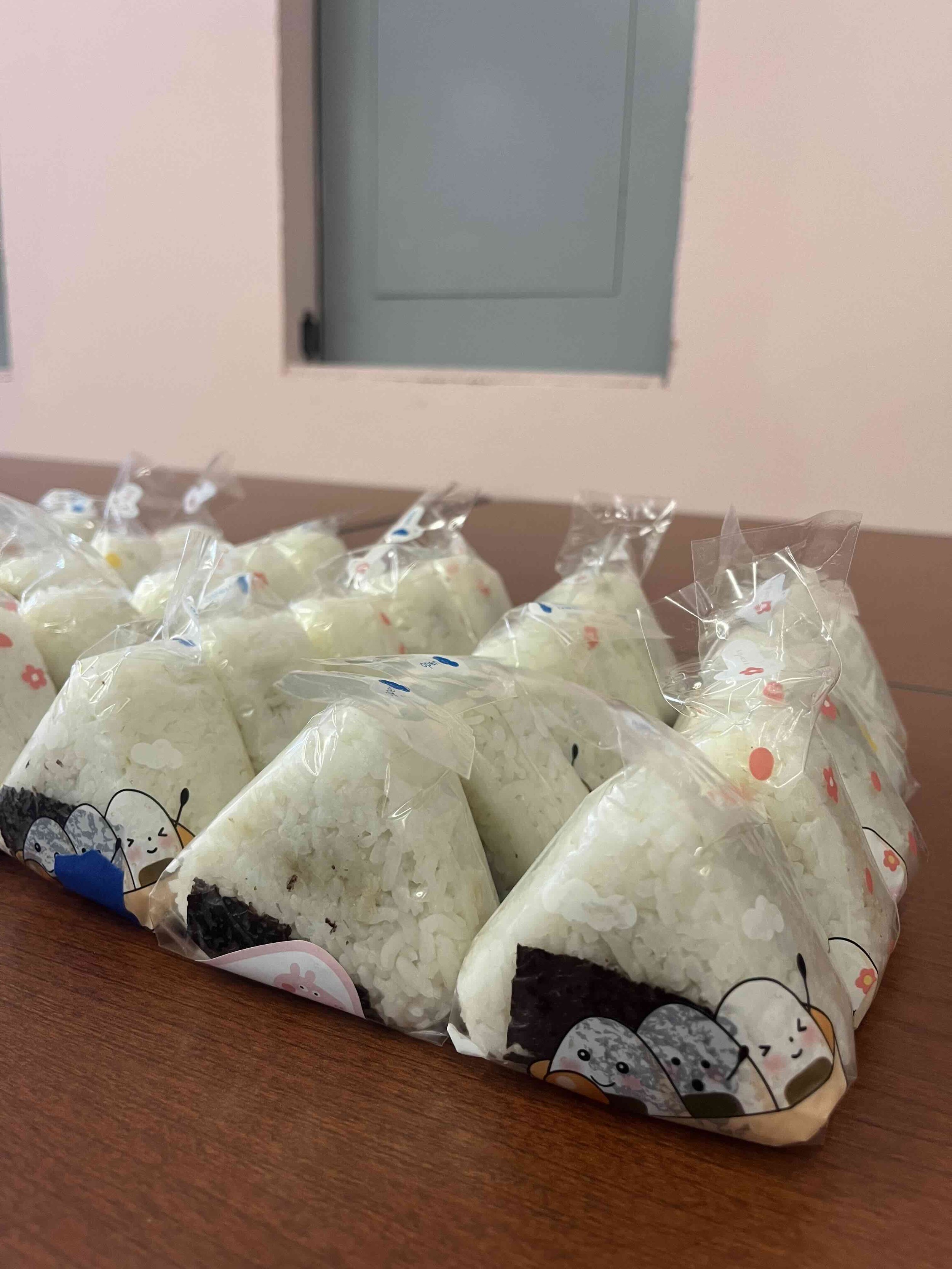
🍙 The Onigiri Lab with taeko-san takeout
Alongside Maddie Dunhoff (she/her), our students got hands-on crafting perfect Japanese rice balls and listening to how she built her local pop-up business.
The history of Japanese onigiri
Onigiri (hand-pressed rice balls) is one of Japan's oldest and most enduring food traditions. Carbonized clumps of compressed rice have been found in Japanese ruins dating all the way back to the 1st century B.C. During the Heian period (794–1185), they were called tonjiki and given as tokens of appreciation to servants. Later, samurai carried them onto battlefields as portable rations because they were hearty, resilient, and easy to eat on the move. The iconic crispy nori (seaweed) wrap came much later during the Edo period (1603–1868) when seaweed farming flourished in Tokyo Bay, keeping the rice from sticking to hands. More than a quick snack, the physical act of shaping an onigiri by hand has always been a symbol of care, love, and community sustenance.
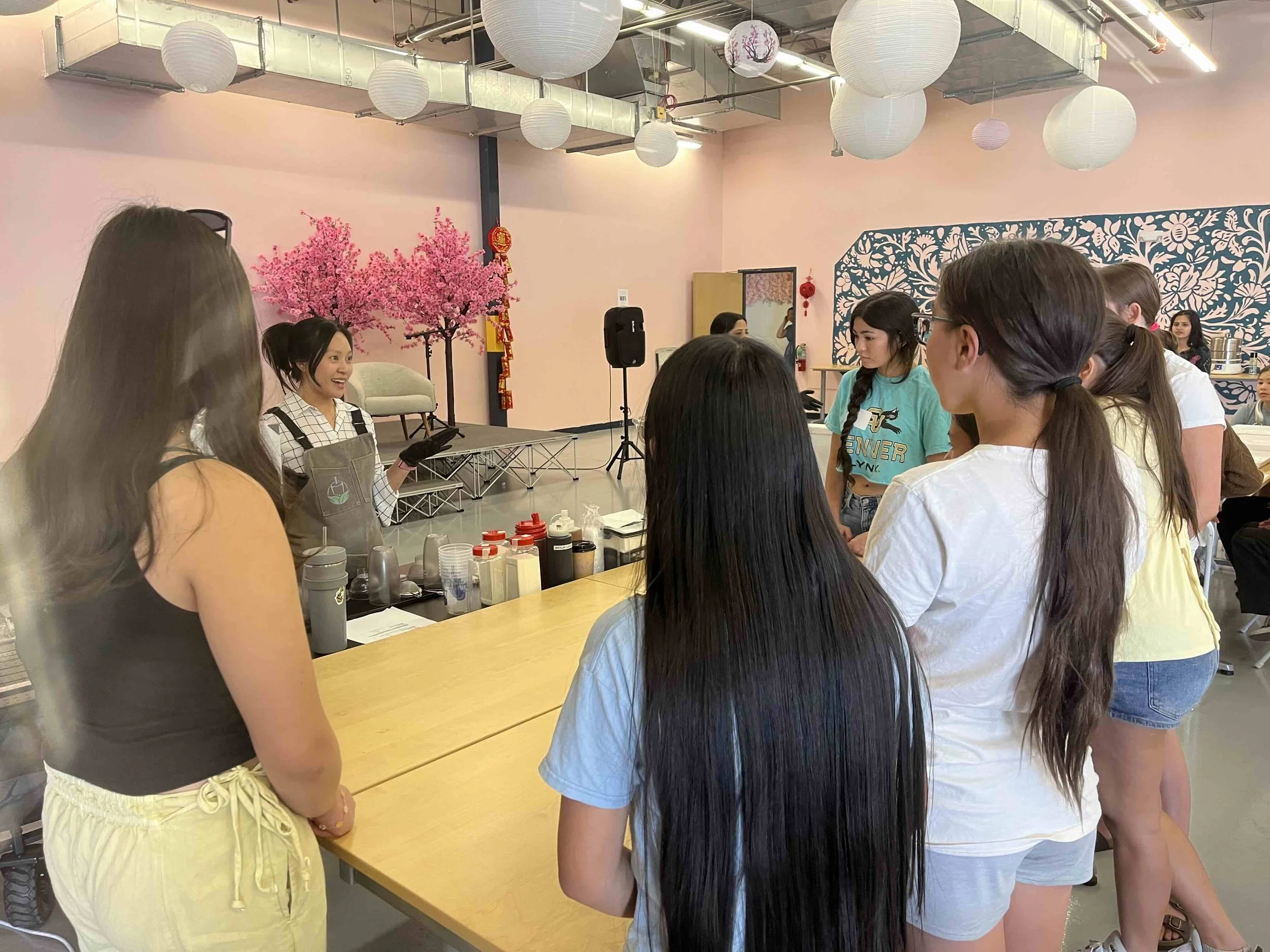
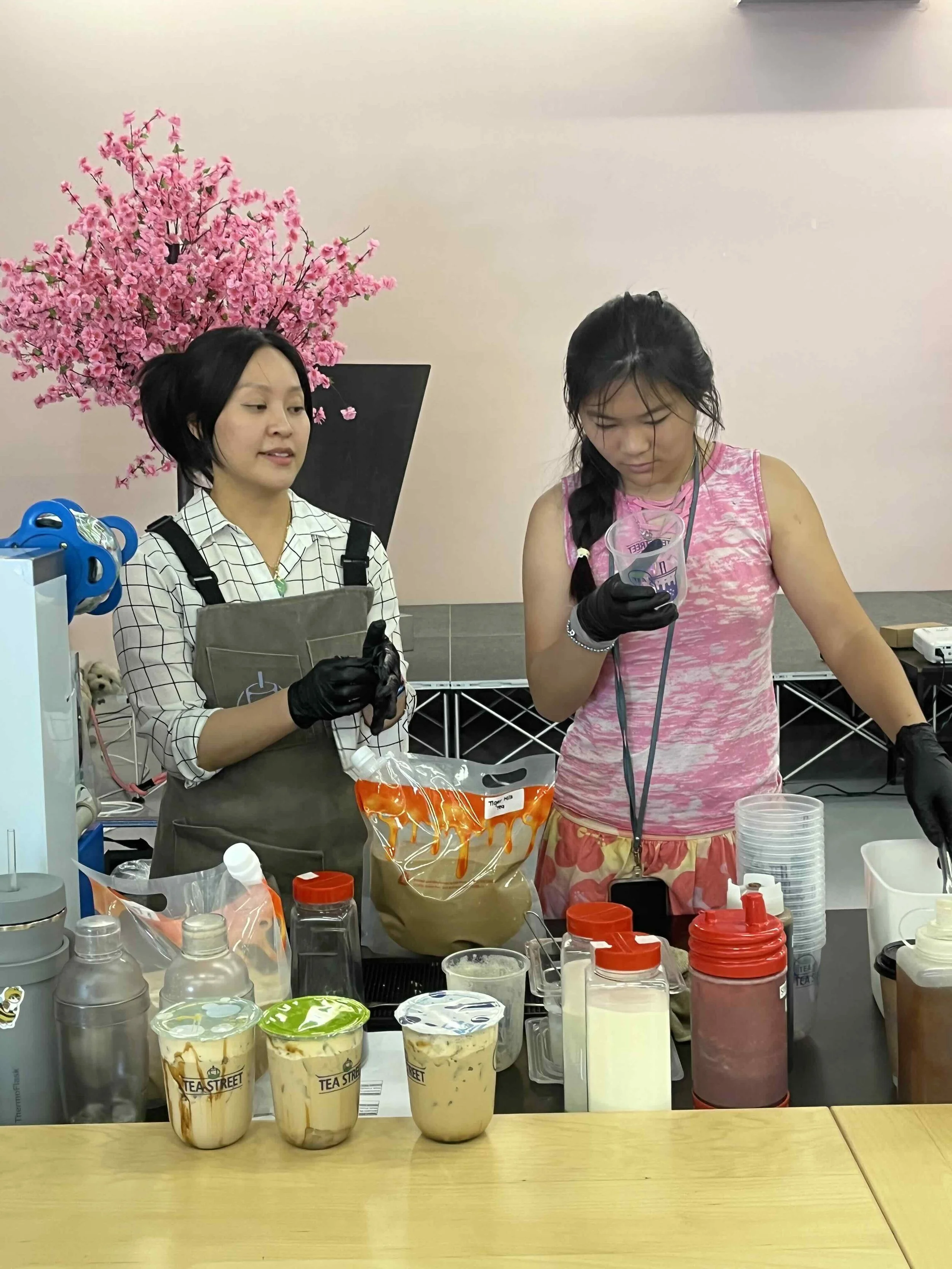
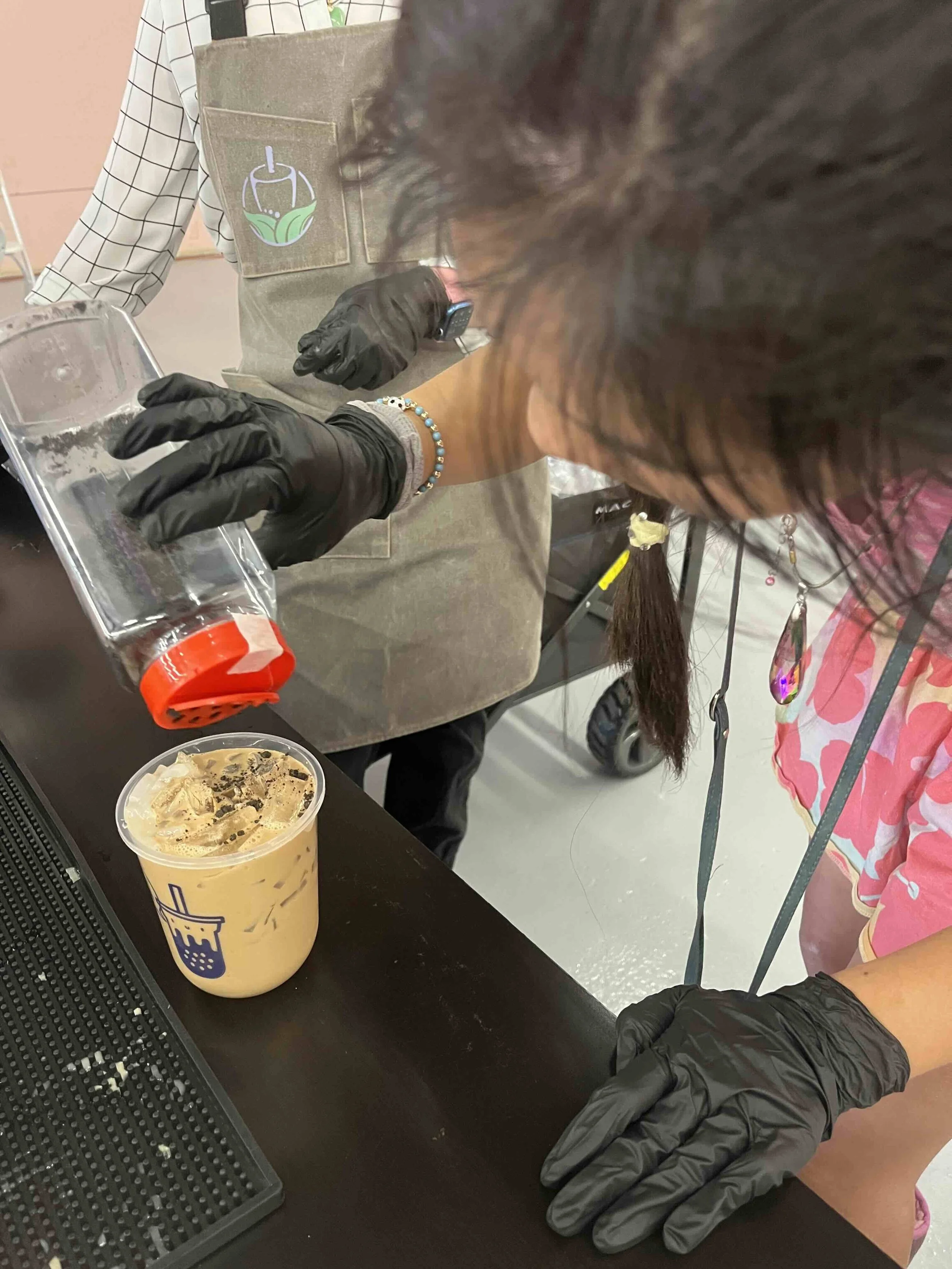
🧋 The Boba Bar with Tea Street
Students shook things up with Victoria Lam (she/her), crafting custom Taiwanese boba drinks using techniques from their beloved tea shop in Denver.
The history of Taiwanese boba
Invented in Taiwan during the 1980s, the drink was born from a beautiful collision of street-food culture and childhood memory. While the exact creator is a friendly debate between competing Taiwanese tea houses, the magic happened when creative product managers looked at fen yuan—a traditional, sweet tapioca dessert they loved as children—and decided to drop it into iced milk tea. It quickly became the definitive symbol of Taiwanese youth culture. Shaking up a boba drink is a modern act of reclamation: taking traditional, nostalgic textures and turning them into something entirely our own.
What Does Belonging Feel Like?
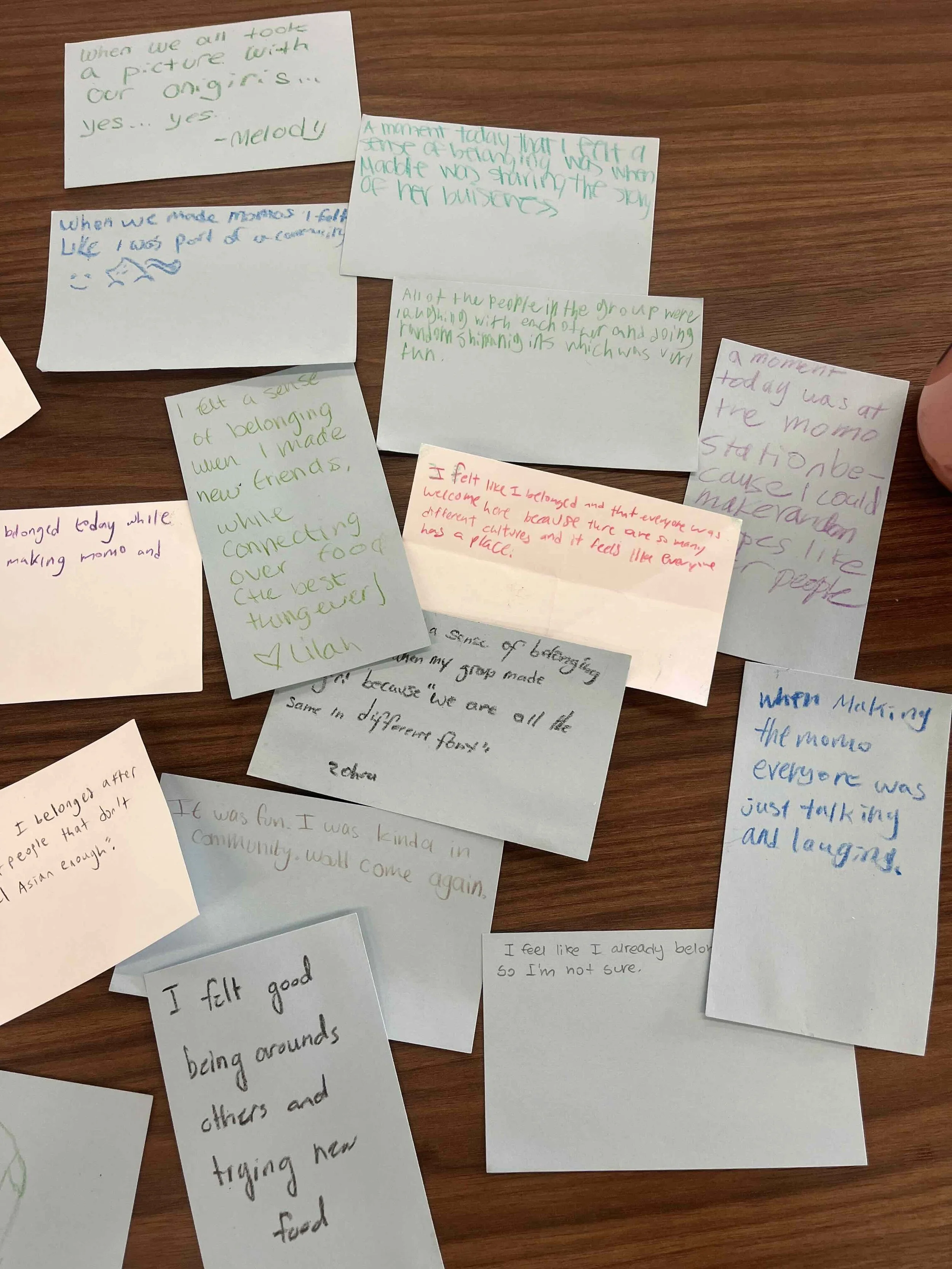
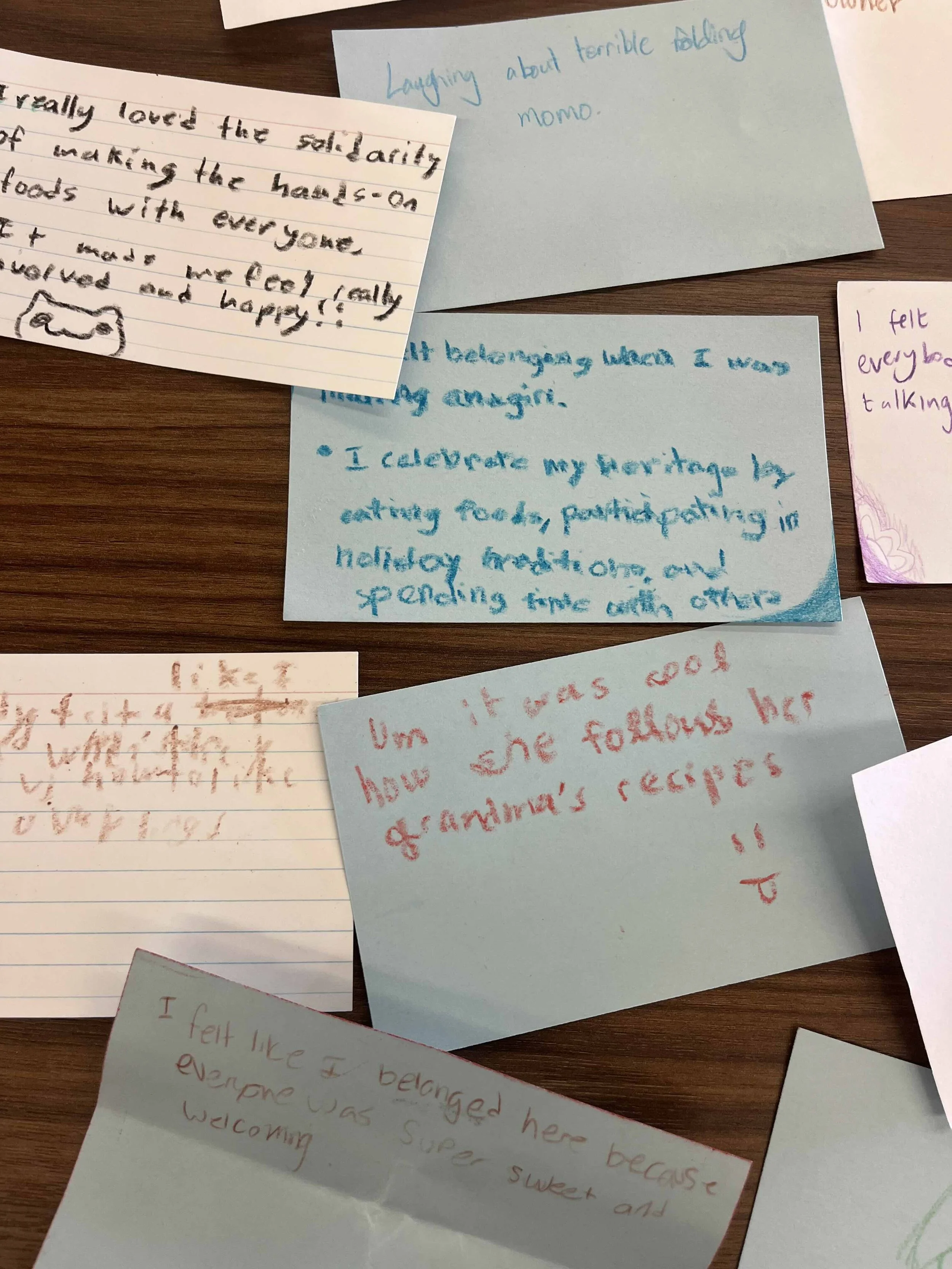
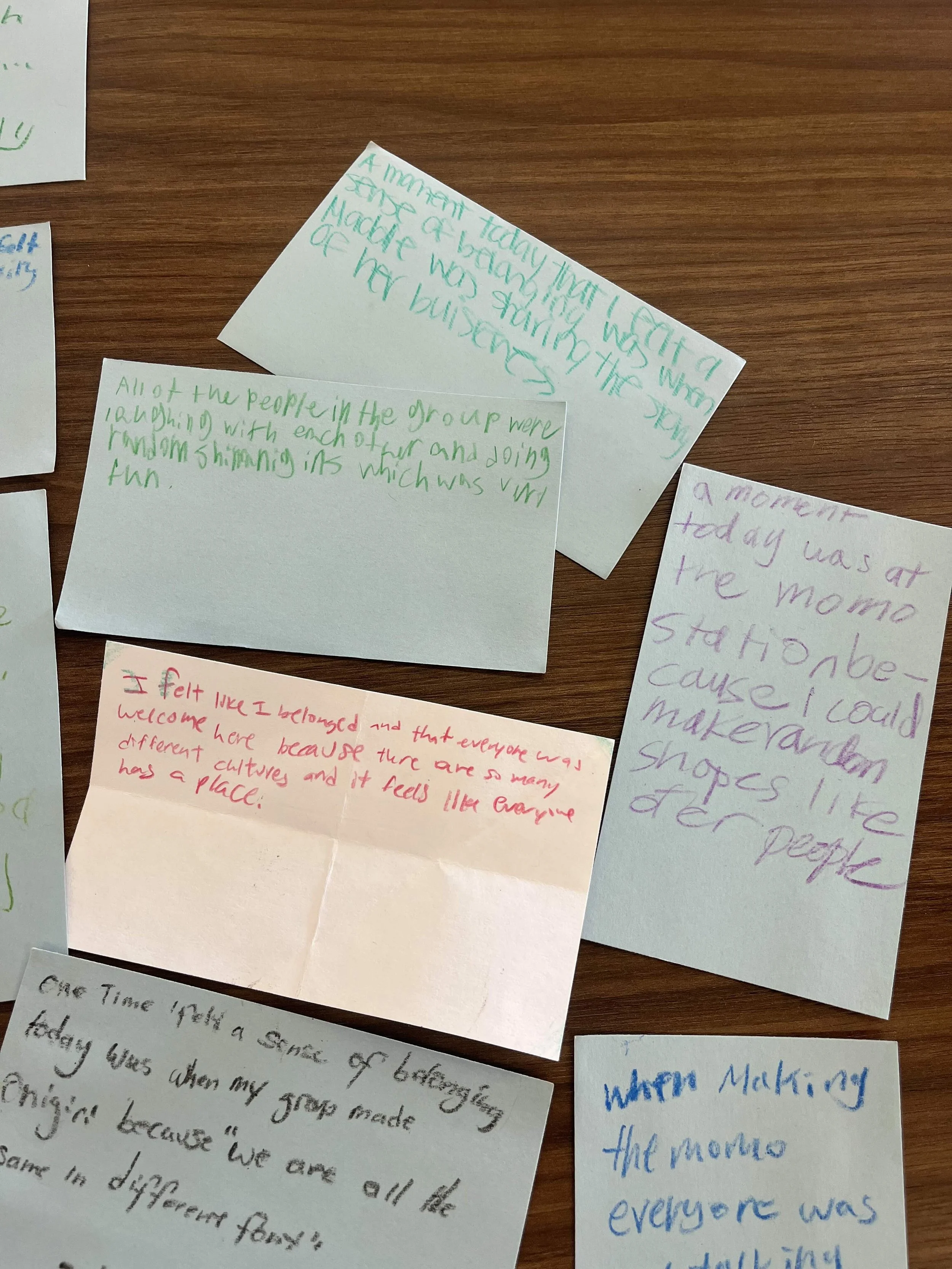
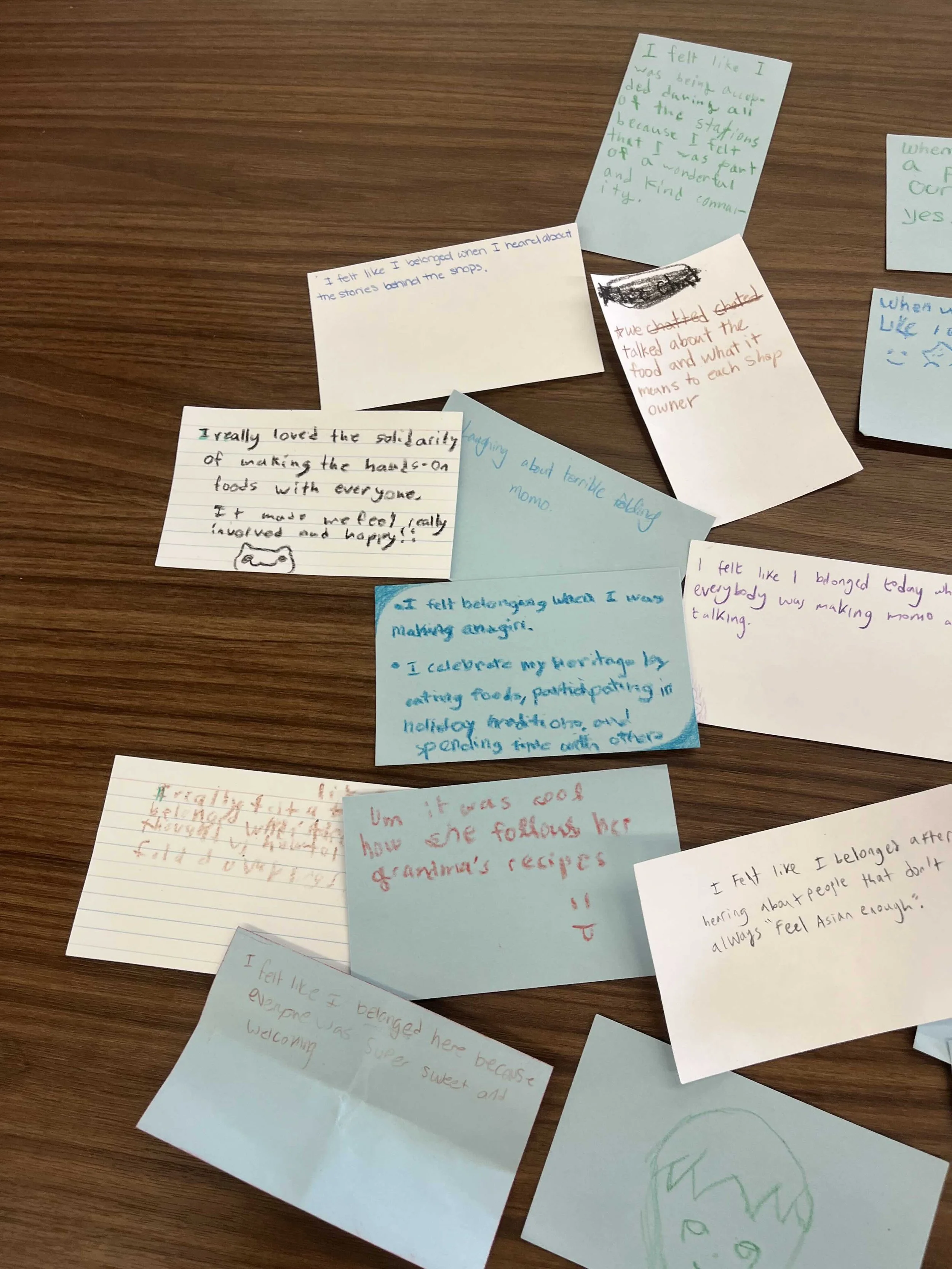
We closed our afternoon the way we close all of our gatherings—in a circle, checking in with one another. We asked our students a direct question: What did belonging feel like to you today? When young people are given a space that affirms their identity, they don't need to be taught how to speak. They bring their full voices into the room. Here is what they shared with us:
"I felt like I belonged after hearing about people that don’t always ‘feel Asian enough’."
"One time I felt a sense of belonging today was when my group made onigiri because ‘we are all the same in different font.’"
"I really loved the solidarity of making the hands-on foods with everyone. It made me feel really involved and happy!!"
"I felt like I was being accepted during all of the food stations because I felt that I was part of a wonderful and kind community."
Building the Space We Wished We Had in Colorado
We hear time and time again from parents/guardians, supporters, and community members "I wish I'd had this growing up," it fuels our engine. That longing is real. This workshop was our way of answering that need—not just imagining a future, but creating a home right now for real bodies, real memories, and real identities.
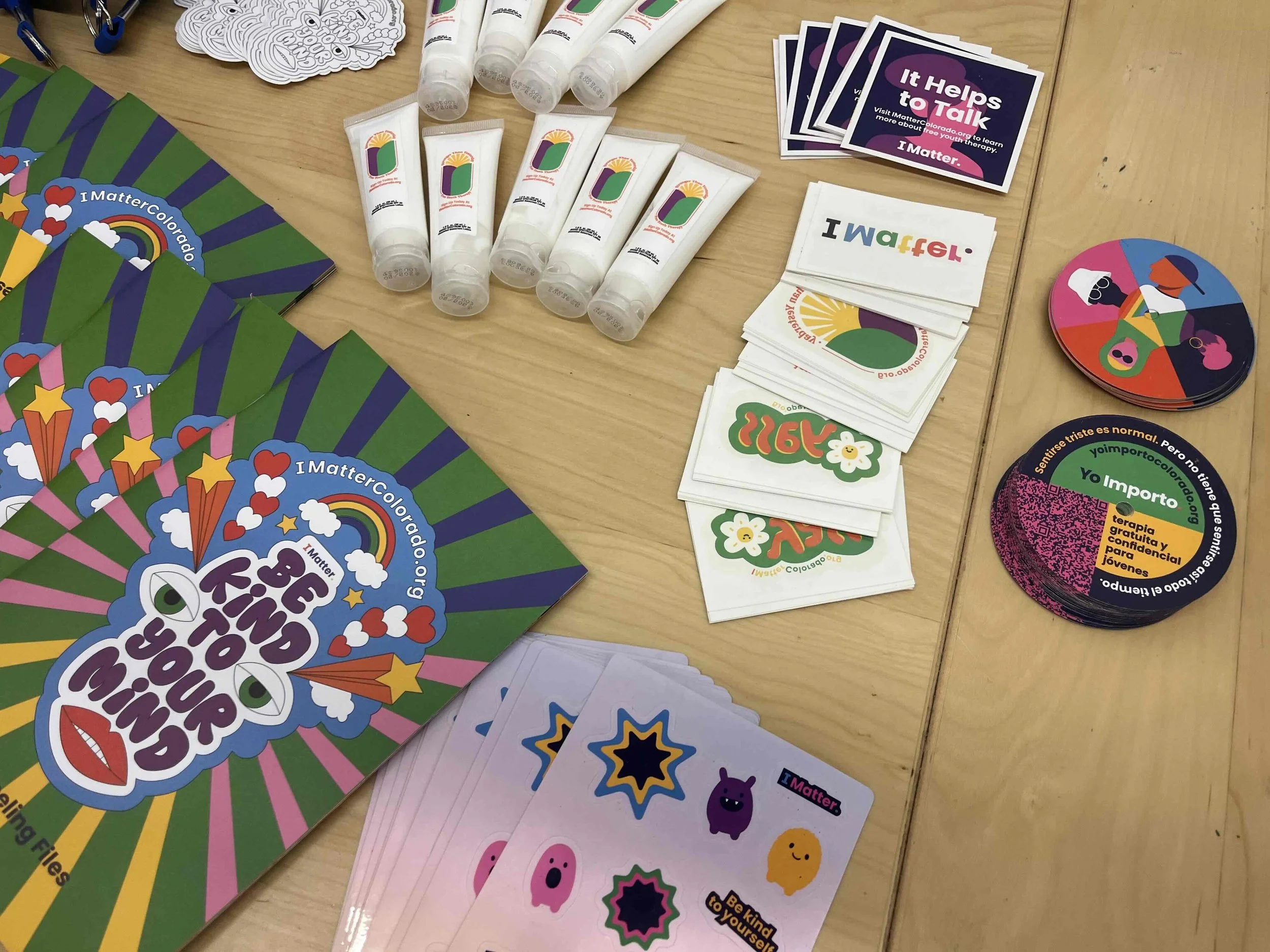
Our deepest gratitude goes to our sponsors at I Matter. Their generous contribution is a critical part of supporting youth mental health and providing identity-affirming spaces that are completely accessible to the Colorado AANHPI community.
To every student who walked through the door, claimed their space, and pulled up a chair: You belong here. Exactly as you are. And so does the food that fuels you. 💜🥡
Help Us Keep Building
We work every single day to ensure our identity-affirming spaces remain completely accessible to our community. Belonging isn't something our students should have to wait for.
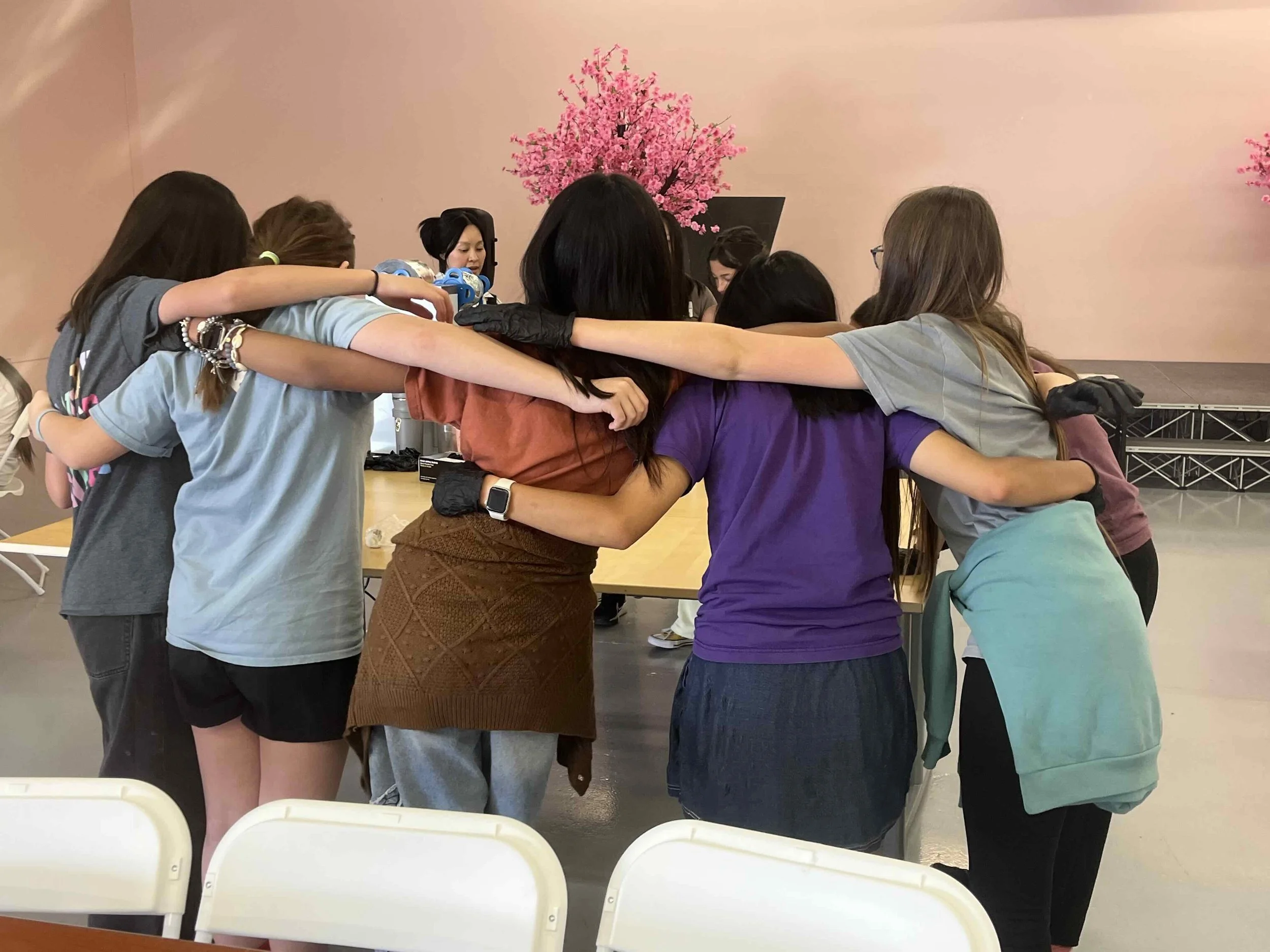
Right now, we are in the middle of our "This is Belonging" campaign. Your investment today directly fuels the upcoming summer and mentorship programs that keep our table growing and completely barrier-free. Help us build the spaces we all wish we’d had growing up.
👉 Invest in the 'This is Belonging' Campaign — Directly funds our student programming and keeps AGI barrier-free.
👉 Bring Your Student: View Our Programs — Explore how to get your middle or high schooler involved.
👉 Stay in the Loop: Sign Up for Updates — Get direct invitations to our future student or community gatherings.
About Asian Girls Ignite
Founded in October 2020, Asian Girls Ignite is a non-profit organization that provides educational programs for AANHPI girls and gender-expansive youth to celebrate their individual and collective power. We use storytelling to empower the next generation to write their futures in their own voice. Our programs and events nurture social-emotional learning to help our students grow in resilience, empathy, and self-awareness.
About Asian Girls Ignite Student Programming
Leadership is a skill that must be nurtured. Our programs are intentionally designed to move students from discovering their identity to transforming their communities: Middle Schoolers discover who they are → High Schoolers define what leadership means to them → Summer & Outdoor Experiences deepen community and courage → Mentorship transforms confidence into action. Together, these programs ensure that every Asian Girls Ignite student experiences a full circle of belonging, growth, and leadership, carrying those lessons into their communities and beyond.