Inside Colorado's AANHPI Youth Leadership & Advocacy Program
Less than 5% of Colorado's population is Asian American, Native Hawaiian, or Pacific Islander (AANHPI). For a lot of AANHPI students here, that means going through school without many peers who share a similar lived experience, and without a class, club, or space built specifically for them. Where those affinity spaces do exist, they usually run on one teacher's planning period or one student's initiative, with no real funding behind them. That gap between what AANHPI students need and what schools are set up to offer is exactly what our first AANHPI Youth Leadership & Advocacy Program was built to address.
About the program
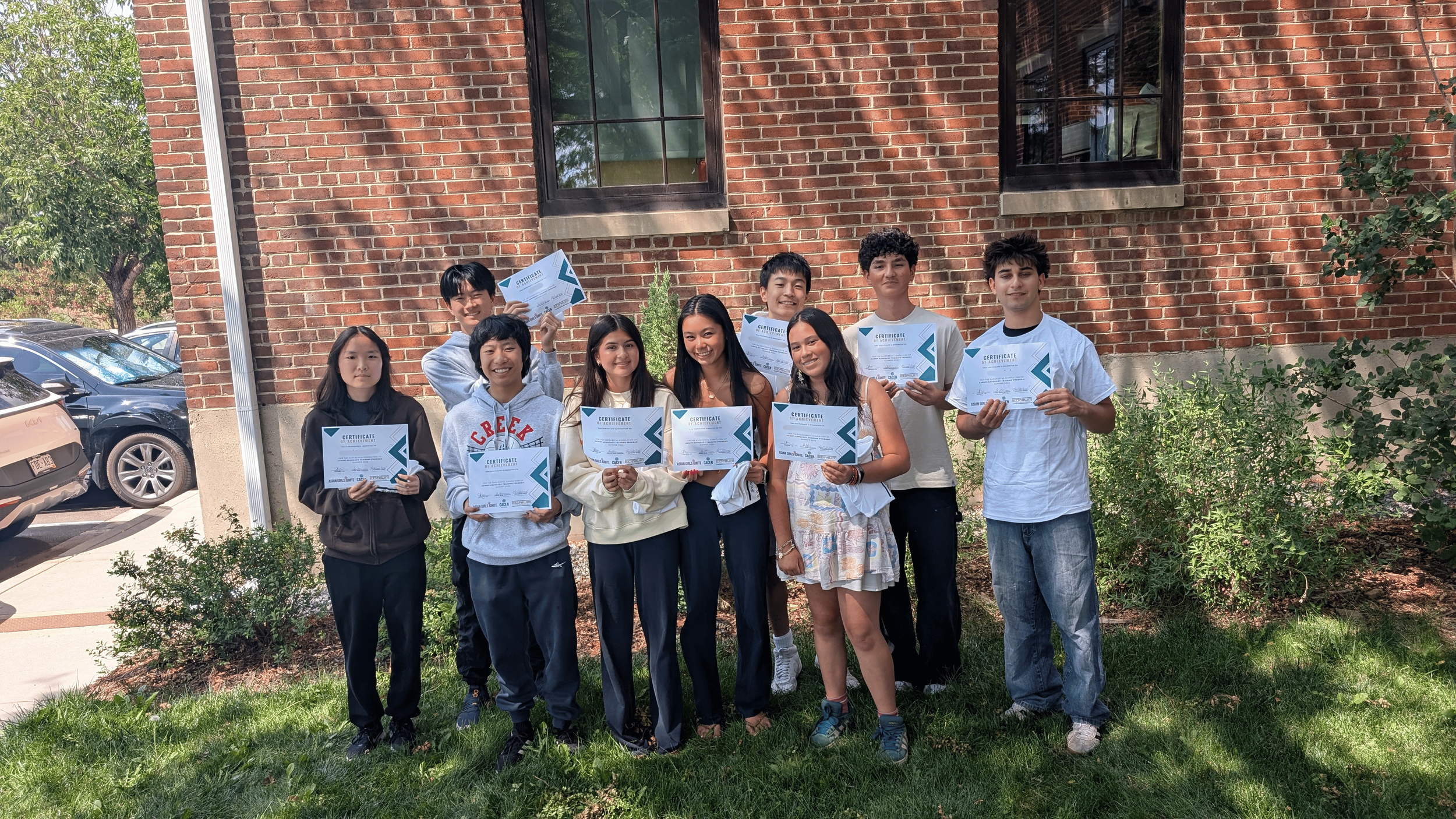
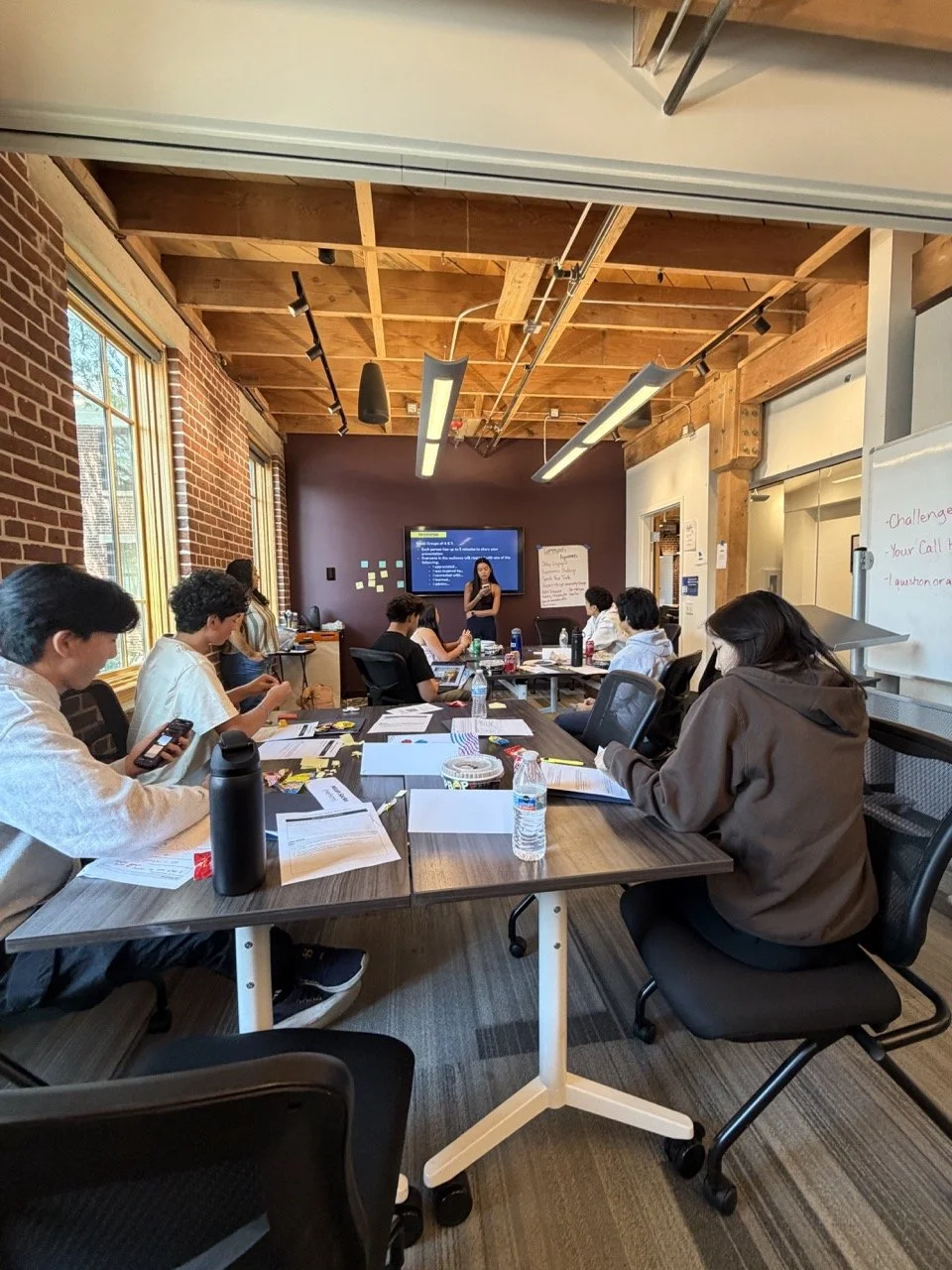
From July 27 to 31, 2026, Asian Girls Ignite partnered with the Colorado Asian Culture & Education Network (CACEN) and Ednium: The Alumni Collective to pilot a five-day advocacy intensive for AANHPI high schoolers. Asian Americans Advancing Justice (AAJC) and Organizing for Education in Colorado funded the program. Ten students came from four different AANHPI youth communities across the state: Asian Girls Ignite, CACEN, the Rocky Mountain AAPI Student Coalition, and the Mongolian School of Colorado. Three were our own students: Elise Y. (12th grade), Gia P. (11th grade), and Sunny W. (8th grade).
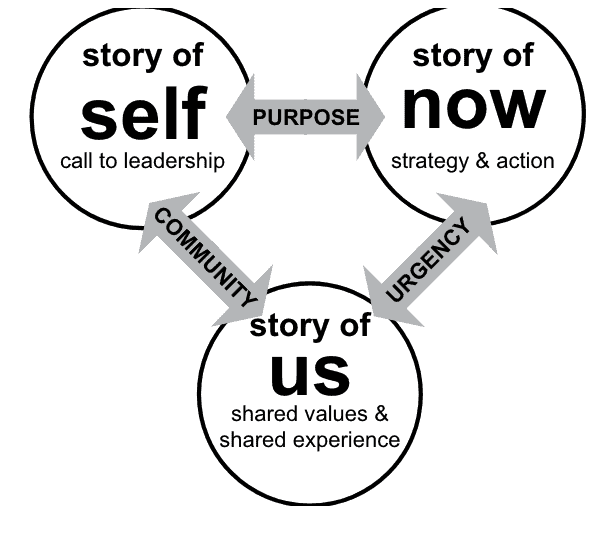
The curriculum was built around organizer Marshall Ganz's Story of Self, Us, and Now framework, a model used widely in community organizing to train people to turn their own lived experience into a case for collective action.
What the week-long program looked like
Building the skills
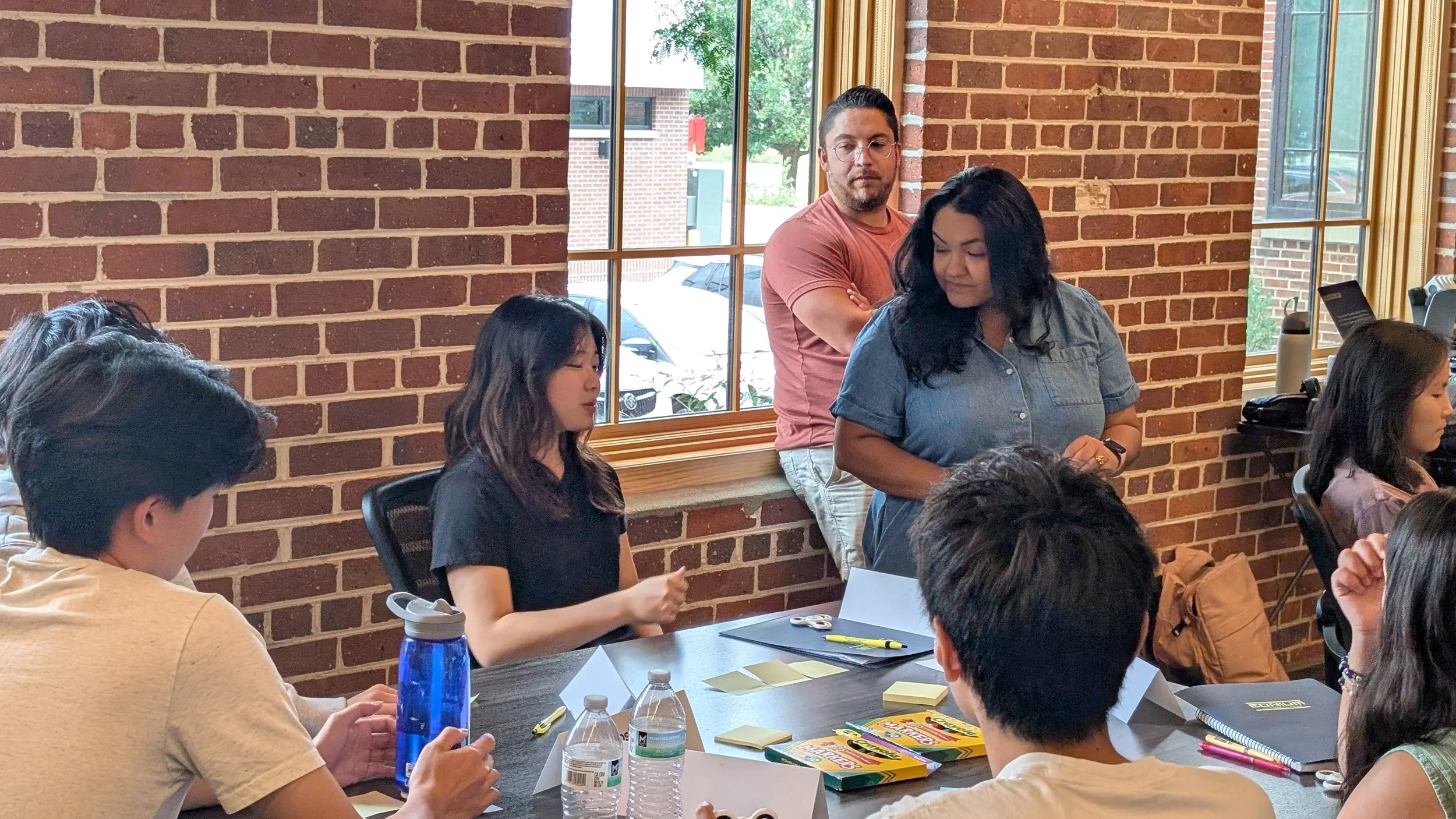
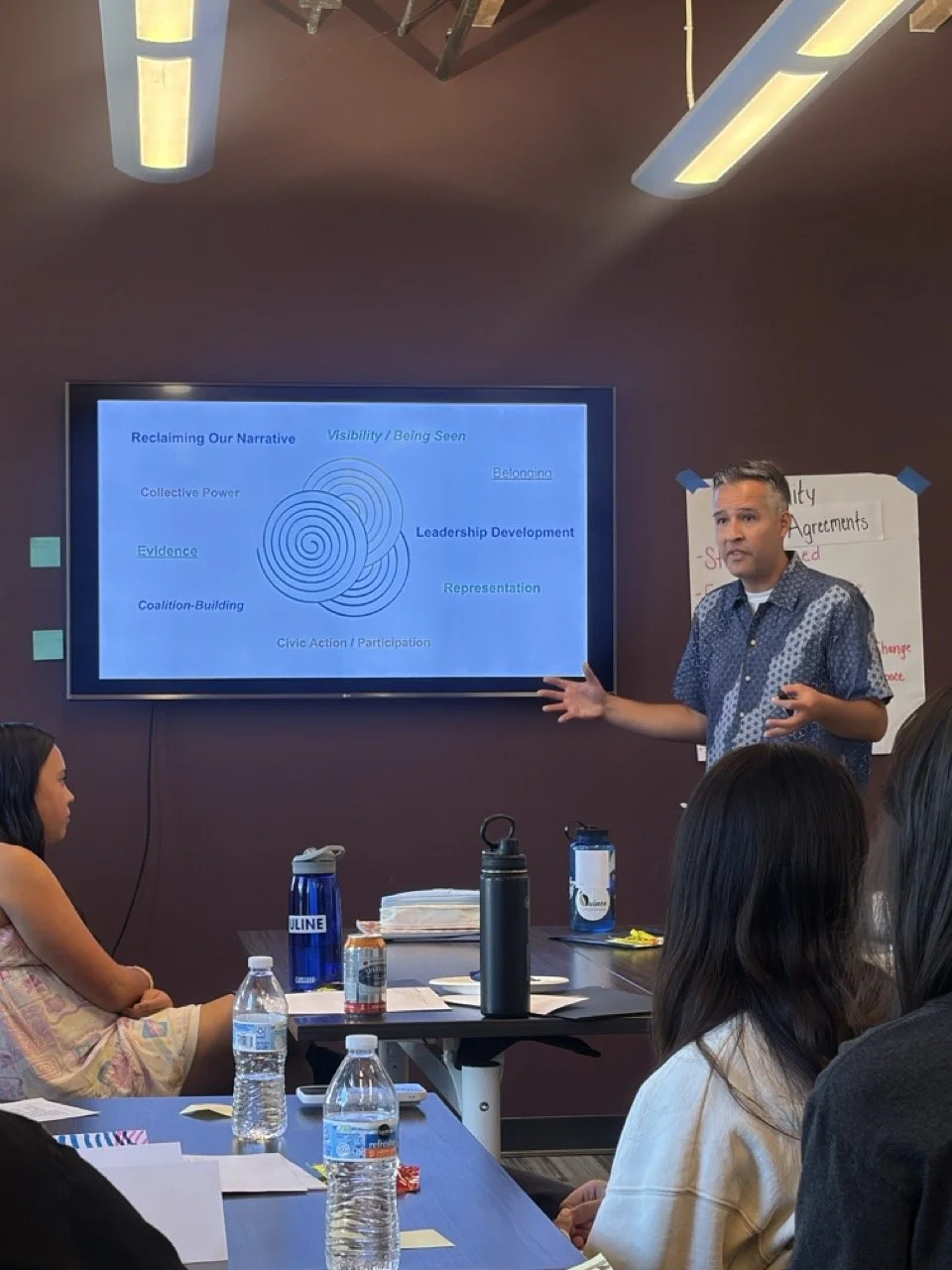
Students spent the first half of the week building the foundation Story of Self, Us, and Now runs on. They mapped the pieces of their own identity, from family background to the specific experiences that shaped how they see the world, and used that to define a personal "Dream State," a concrete vision for what they wanted for themselves, their community, and for AANHPI youth in Colorado more broadly. From there, the program moved into communication and conflict style, teaching students to read a room and adjust how they make a case depending on who they're trying to reach, before turning to a session on power: how to map out who holds influence in a school, a community, or a government body, and where a student's own leverage actually sits within that system.
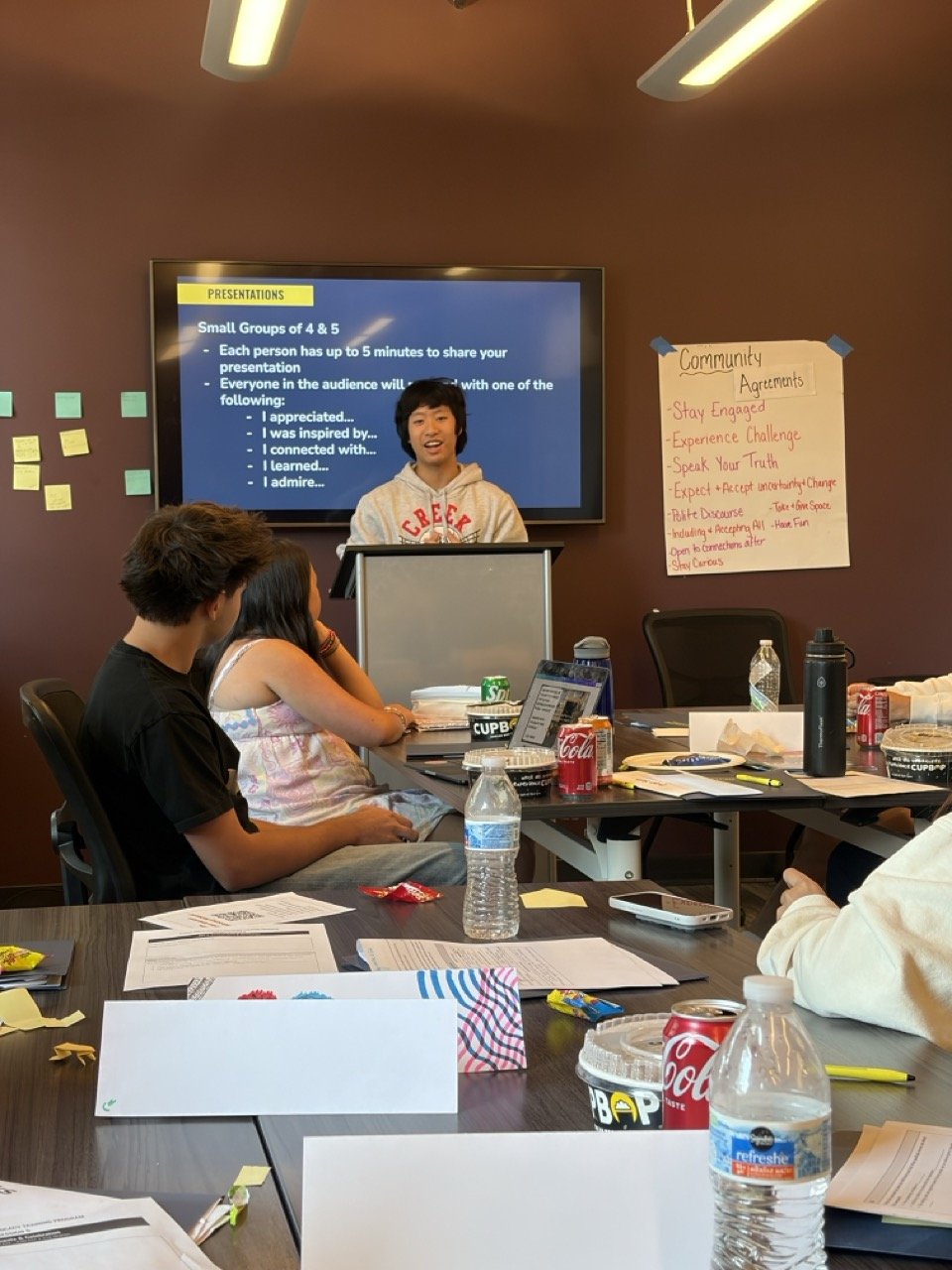
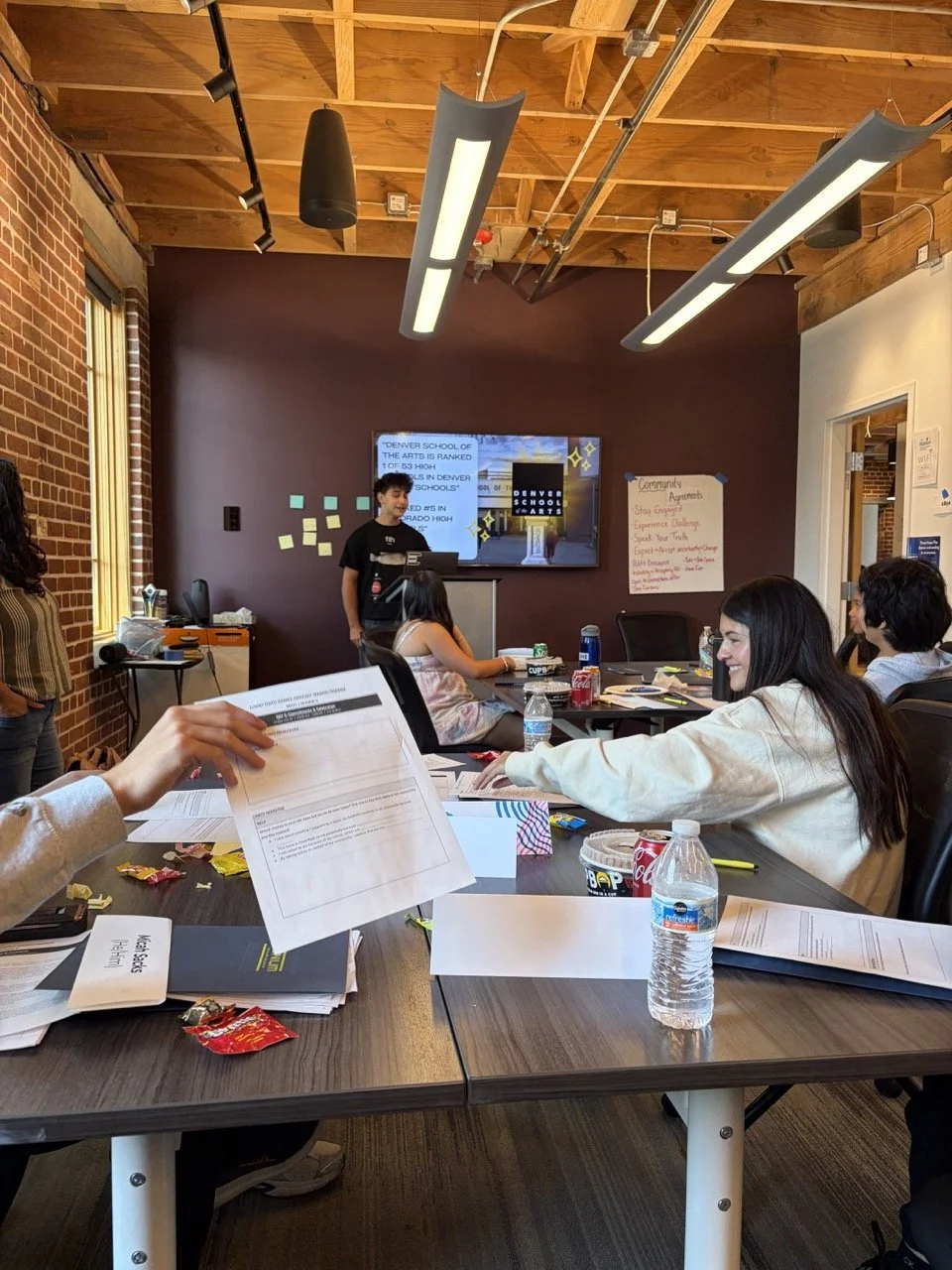
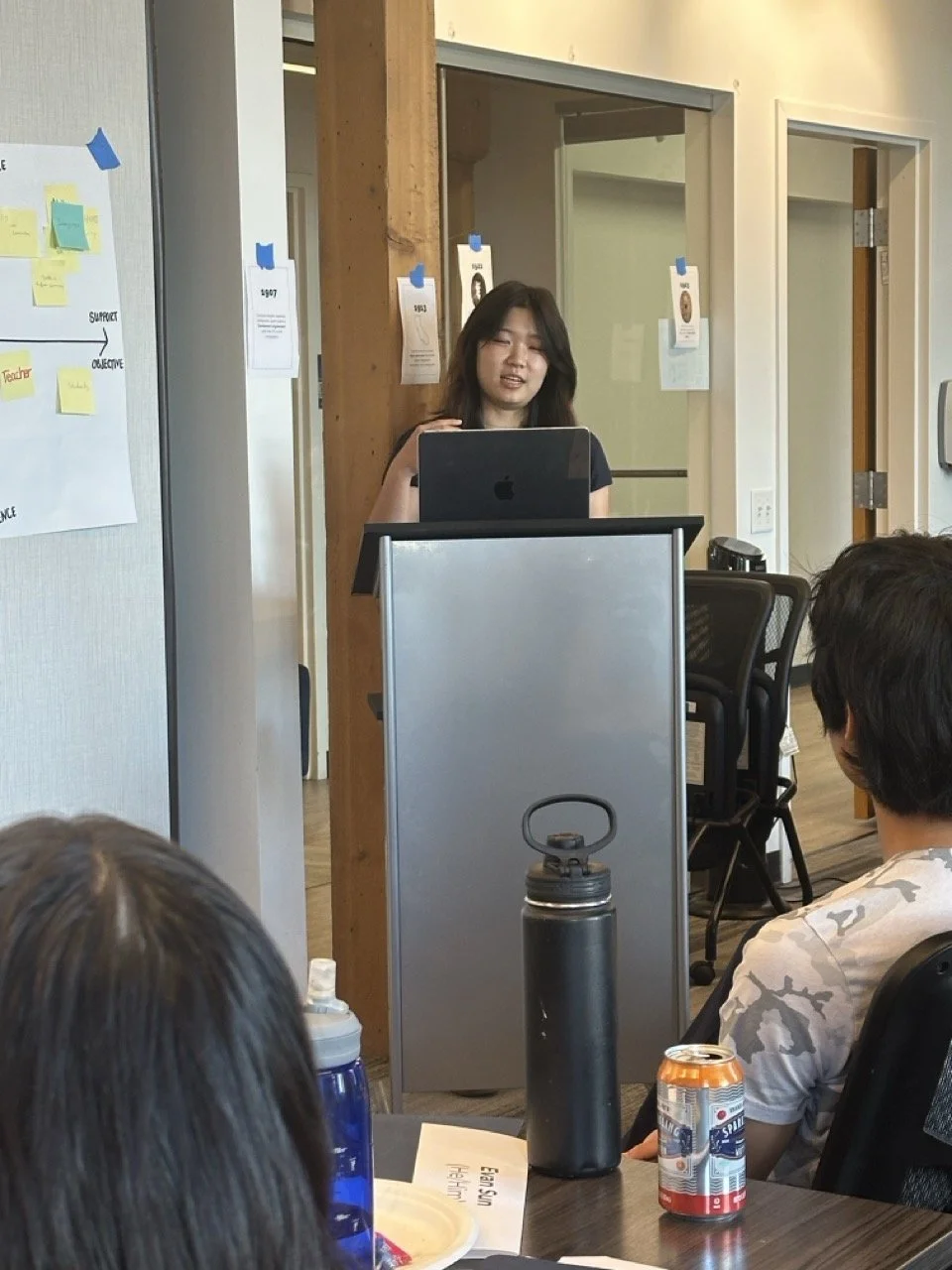
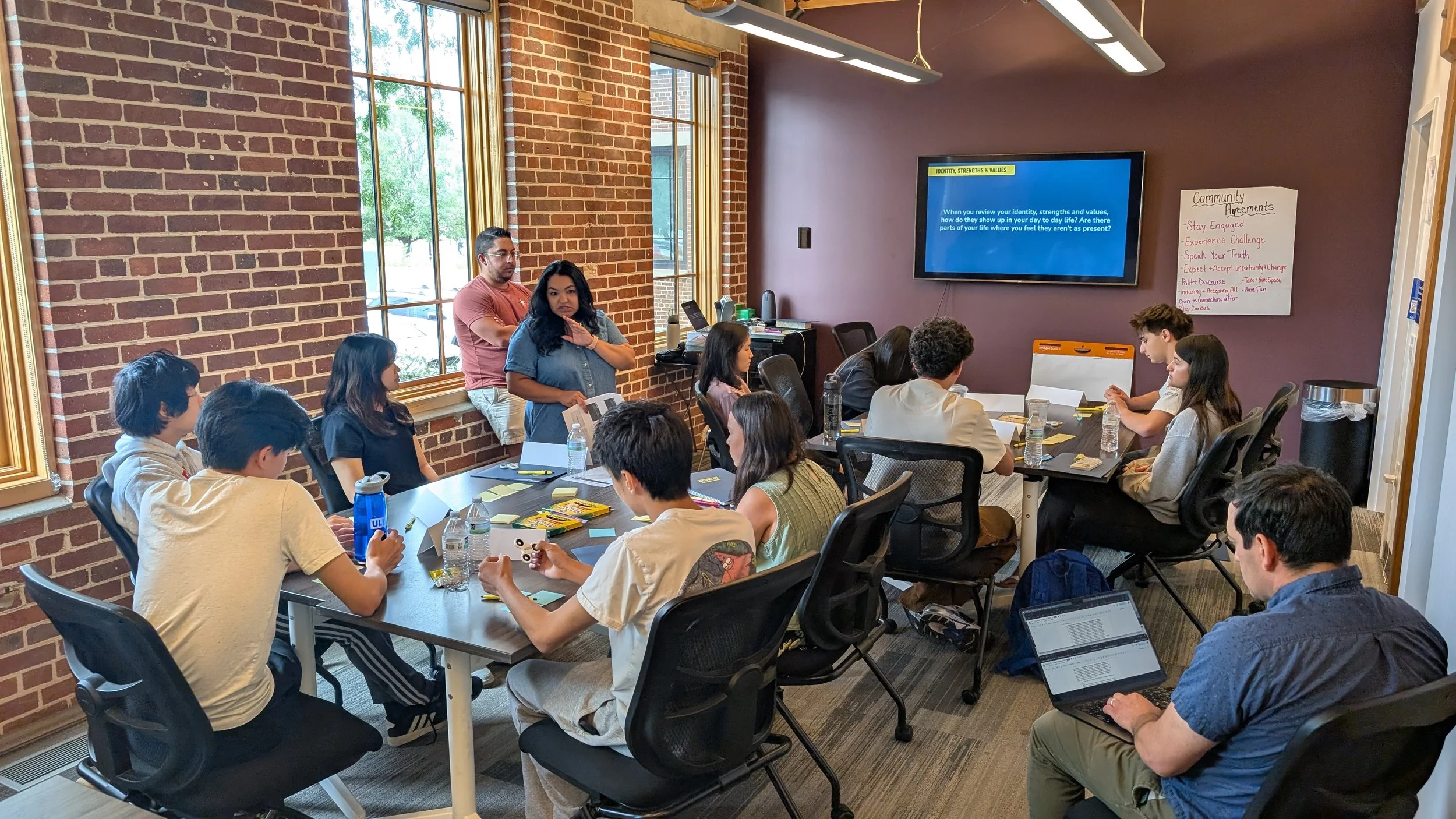
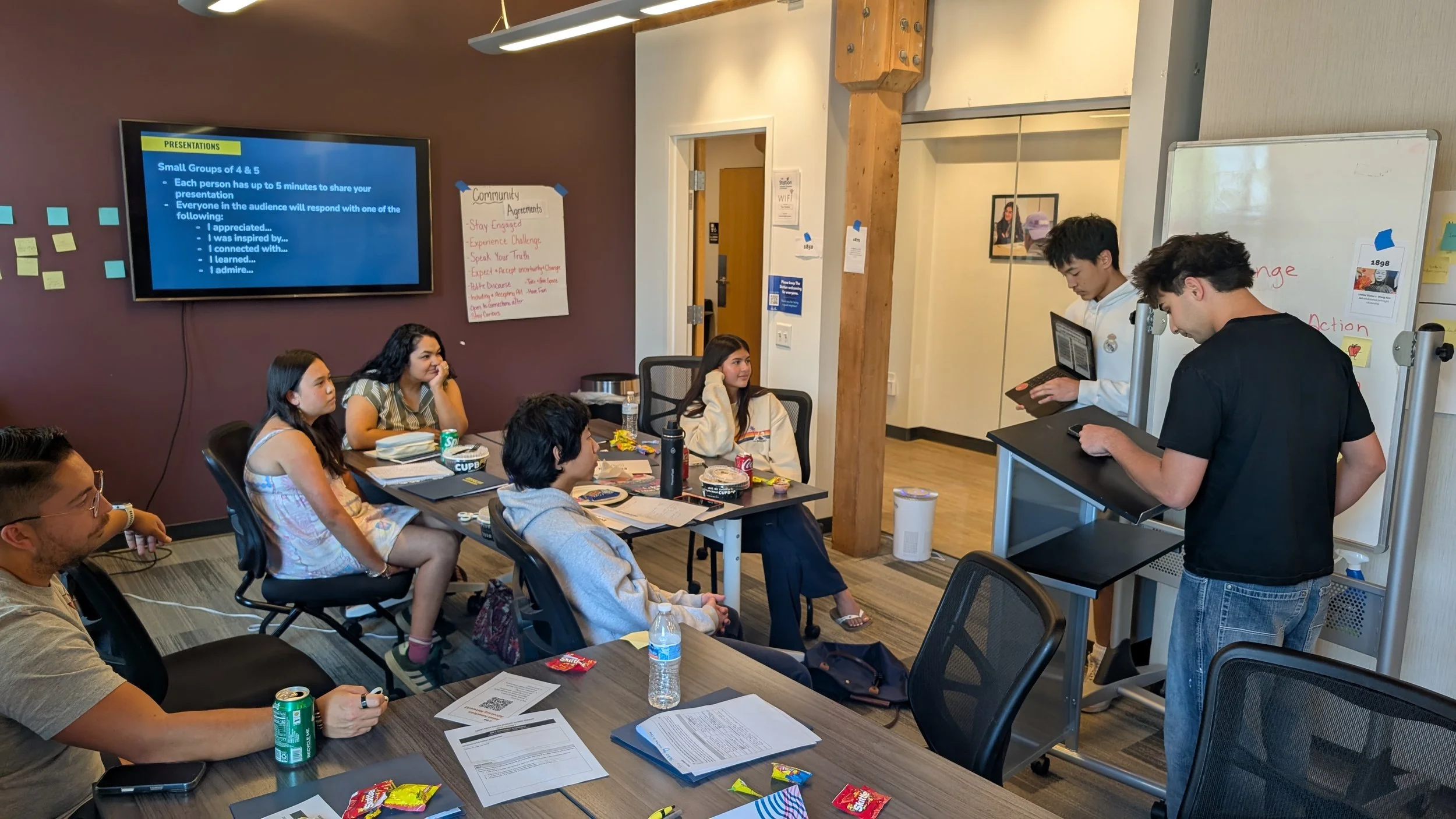
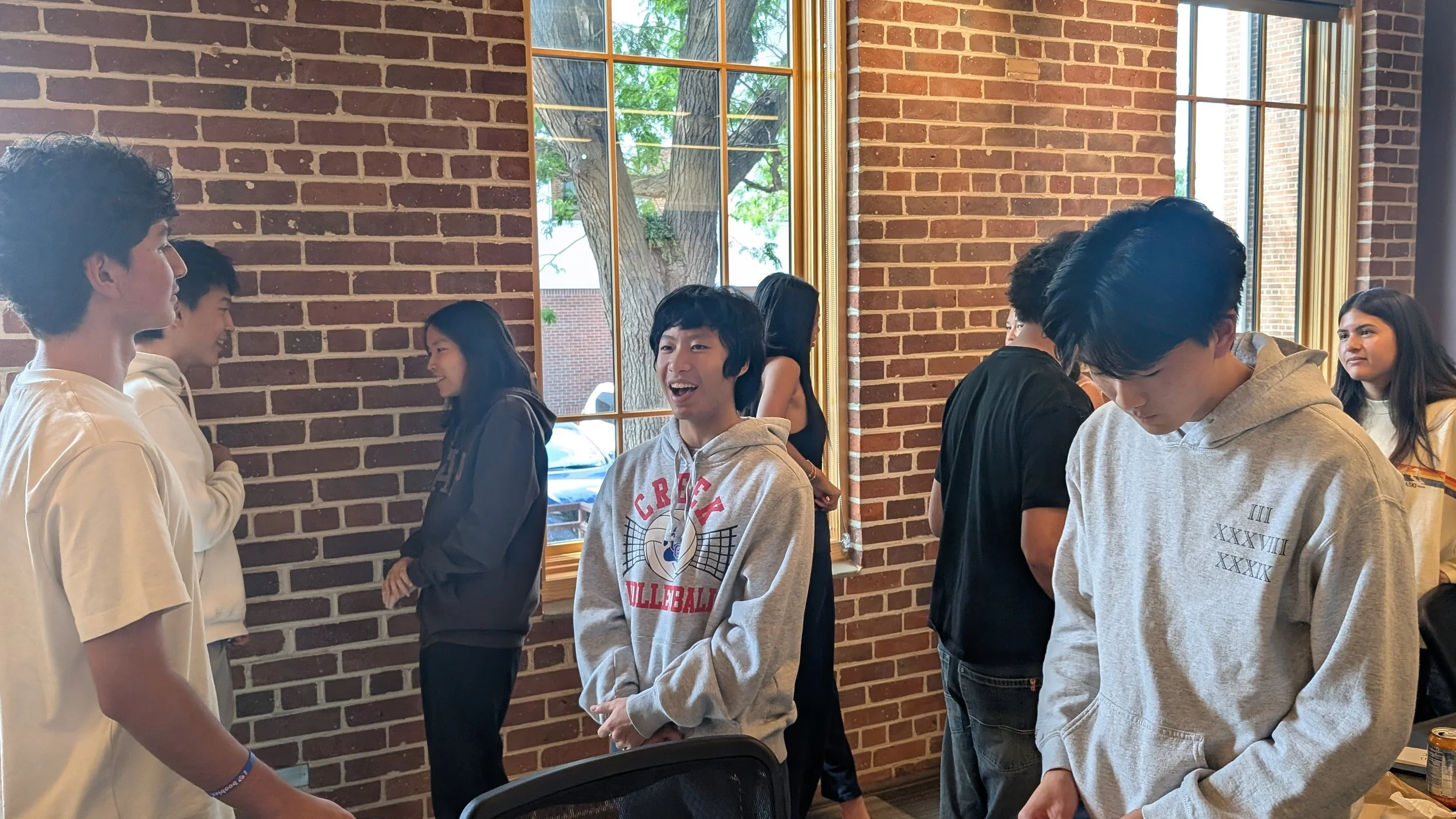
Guest speakers and community voices
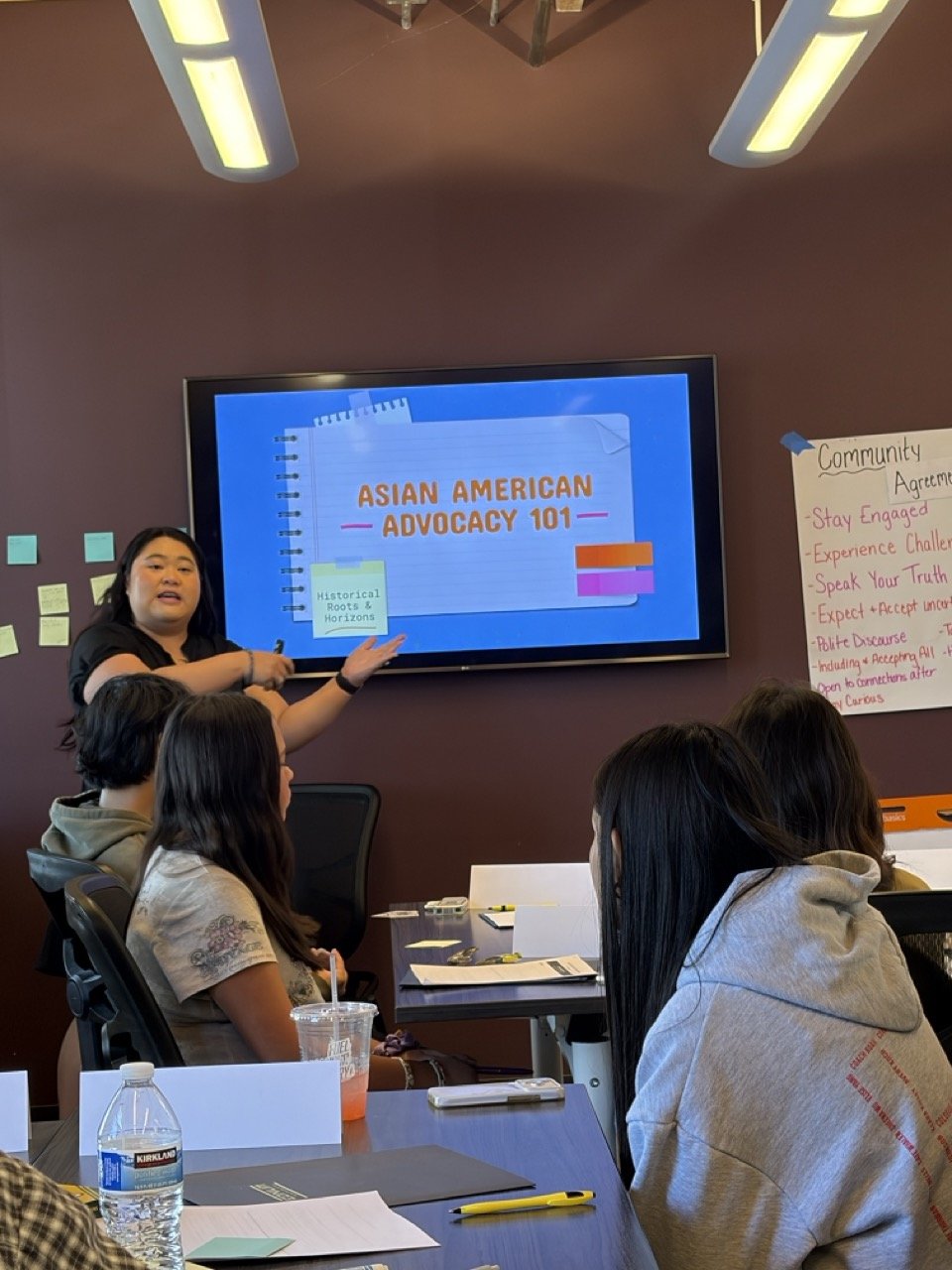
One of the program's own funders taught two of those days in person: Joy Sutardji, Senior Manager of Community Engagement at AAJC, flew in from Washington, D.C. to lead sessions on the history of AANHPI advocacy nationally and the role students have historically played in movement building.
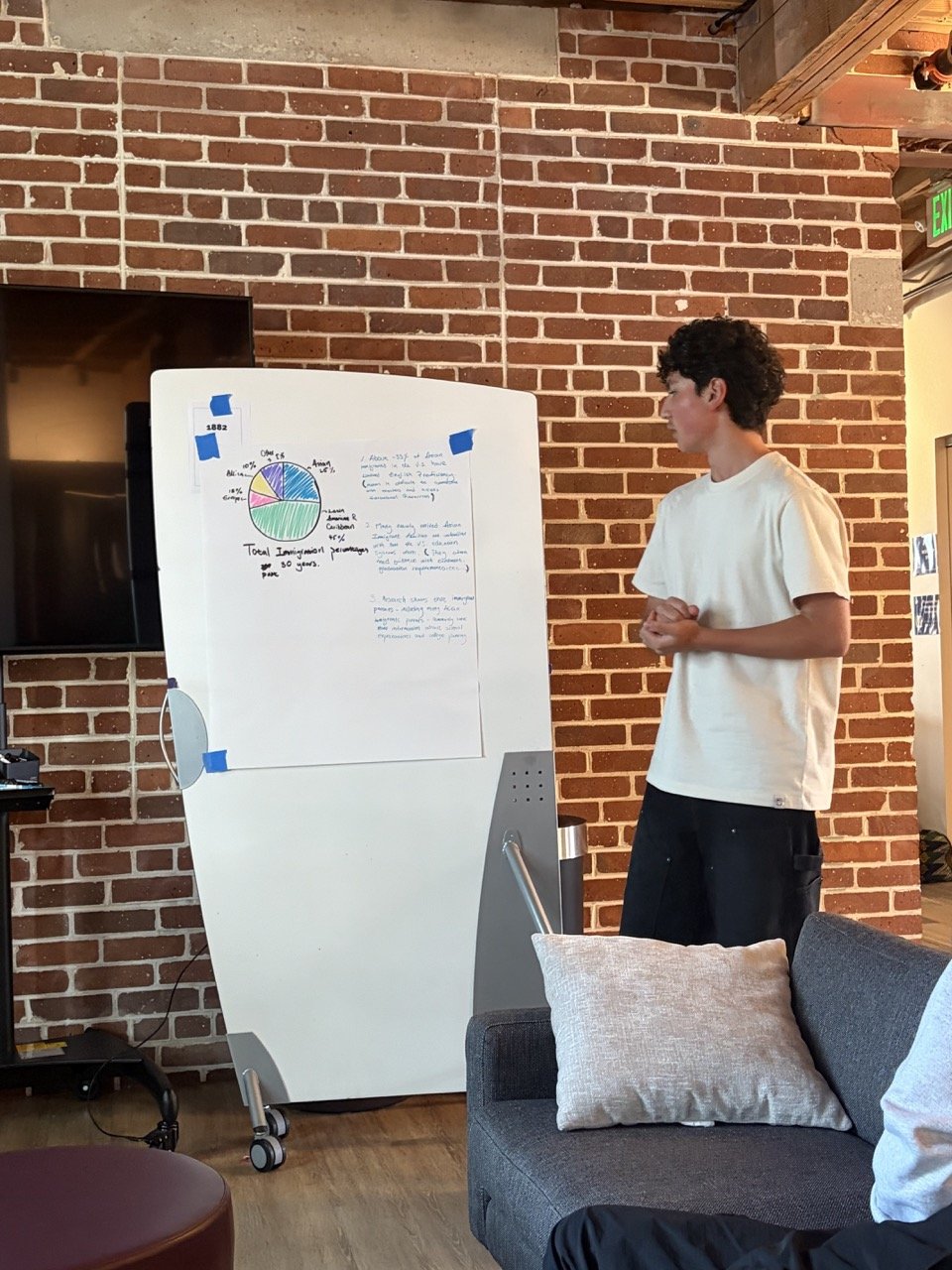
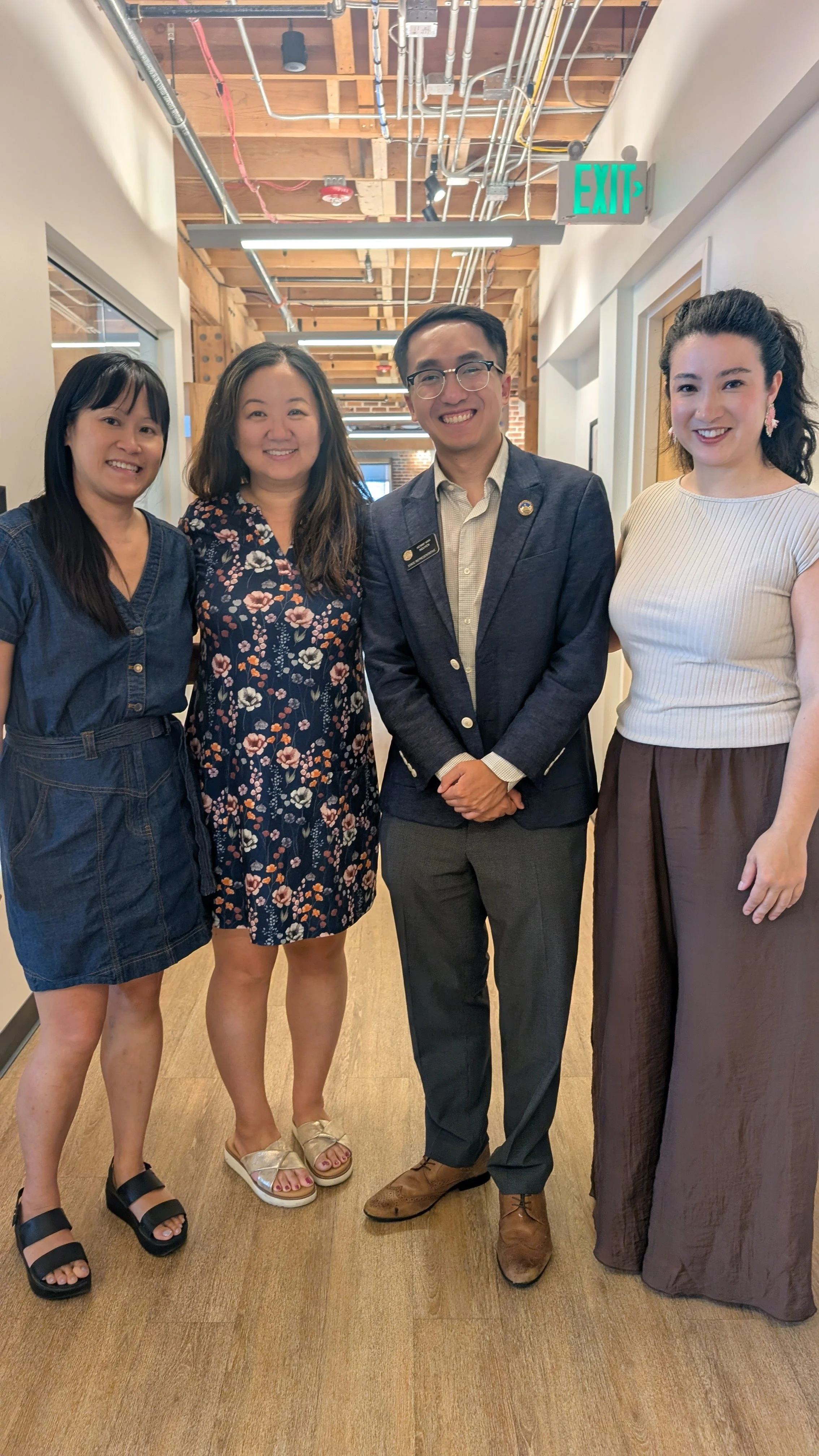
A panel of elected officials and community leaders — including State Representative Kenny Nguyen, CACEN executive director Annie Guo VanDan, and public affairs strategist Katrina Yoshida — spoke with students about what leadership actually looks like day to day. Students left with a specific, practical takeaway: leadership doesn't require being the loudest person in the room, and networking can mean one real conversation instead of working an entire crowd. On the final day, Jin Tsuchiya presented data from the Colorado Lotus Project on AANHPI student experiences statewide, and students used it to write their own Story of Now, a call for AANHPI affinity spaces to be permanently funded and supported in Colorado schools.
What students said
The student participants filled out a post-program survey. On a five-point scale, they rated their understanding of their own leadership story and personal narrative at 4.6, their sense of belonging to the group at 4.3, and how engaging and supportive the week felt at 4.6. Asked how likely they'd be to recommend the program to another young leader, the average came out to 4.7 out of 5, and seven of the ten said they want to keep learning about advocacy through more programming like it.

Asian Girls Ignite students
Gia put it this way when asked why another student should say yes to this program: "They learn so much about leadership and what they want to do with their community. It's really beneficial in that sense of figuring out what change I want to make, myself. And then you meet so many good friends and become close with everybody there — such a lively atmosphere, it doesn't feel like school or anything. It just feels like you're there to help the community."
We asked Elise, a 2027 graduating senior, what she remembered most about the people she met, Elise said: "It was just so easy to form connections with everyone, and everyone was so willing to get to know one another. By the end of the week, everyone's just exchanging phone numbers and wanting to keep in touch. These connections feel like ones we're going to be able to have for the rest of our high school lives."
Sunny, our youngest attendee, said simply, "I learned so much valuable information that I would love to share with others."
CACEN, Rocky Mountain AAPI Student Coalition, and Mongolian School of Colorado students
Students from partner organizations echoed the same thing from different angles. One talked about finally feeling ready to speak up about the lack of support available to newly immigrated Asian families trying to navigate the American school system, something they said they'd noticed in their own community but never had language for before this week. Another described how rare it is to find other Asian American students who share the same experience of growing up in Colorado, and how this week was the first time that changed: "This especially brought us together as one whole community."
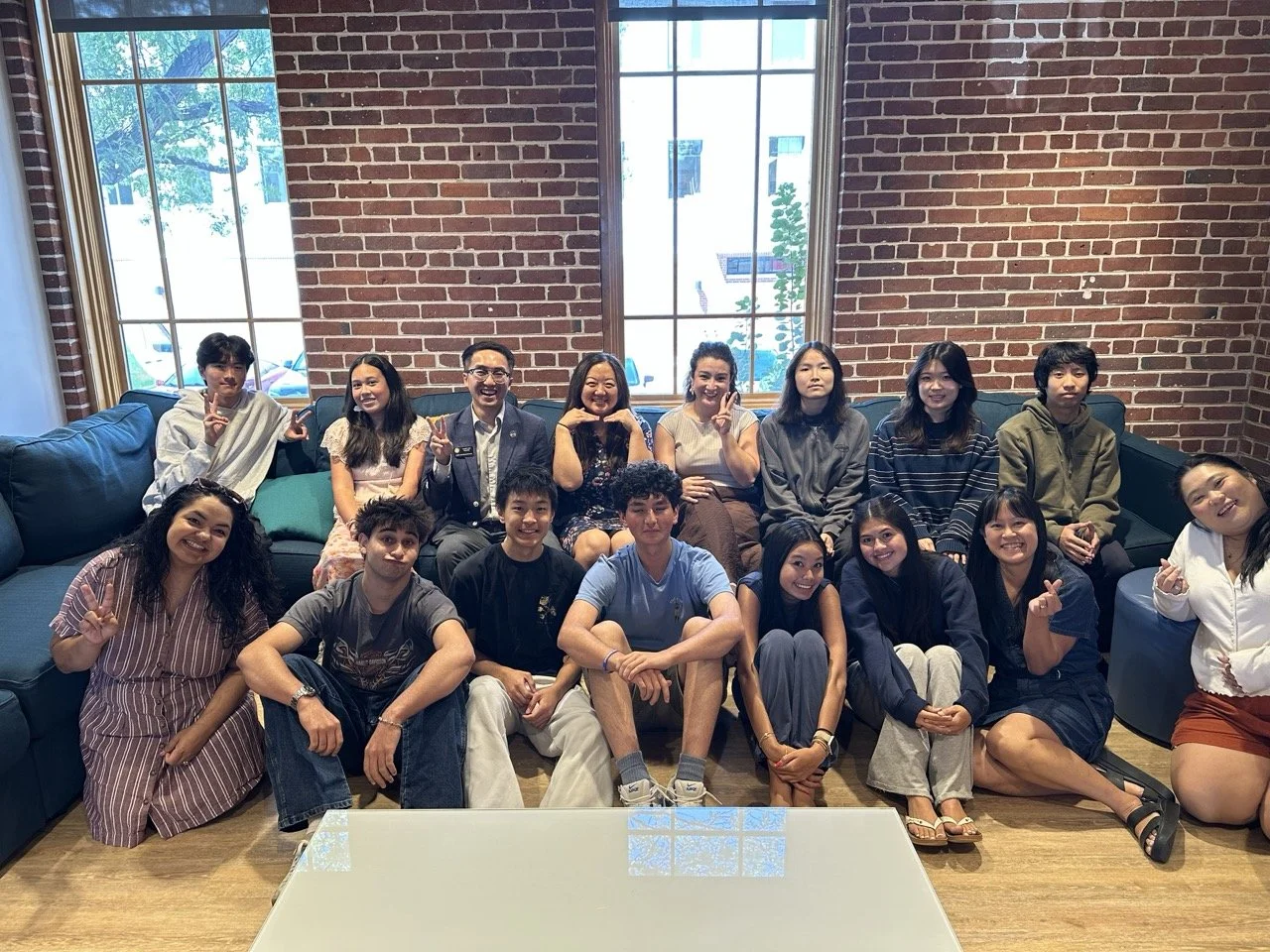
What comes next
Ten seats filled a program built for a need much bigger than ten students. Colorado's AANHPI youth population doesn't have the institutional backing that comes with dedicated funding or school policy, and one pilot week doesn't fix that. It gives us proof that the model works and a group of students already asking when they can do it again.
Asian Girls Ignite, CACEN, and Ednium are working to grow this program beyond a single summer week into something students can return to, with more seats and a longer runway for the advocacy work they started.
If you want to help make that happen…
This is exactly the kind of program that gets built one funded seat at a time.